Aero AT-3 for Sale

2013 VL3 sn : 105
€119,000
Gray-Saint-Adrien, France
Ultralight
2003 GlaStar GS1
€139,000
Finnland
Single-engine
2025 Ak1-3 DB Aerocopter
$195,000
Fallston, MD
Helicopter
2023 Vertical Aviation Tech/Hummingbird 300L
$353,000
Fallston, MD
Helicopter
1993 Marquart MA-5 CHARGER
$29,900
Anderson, IN
Single-engine
1942 Vultee BT-13A
$99,000
Brisbane, Queensland, Australia
Single-engine
1944 Vultee BT-13A
$124,900
Redondo Beach, CA
Single-engine
2003 Super Drifter 912UL Amphibious
AUD 37,000
Philippines

1963 Hamilton Tool Company W8 Tailwind
£40,000
South West, United Kingdom
Single-engine
2024 VL3 Evolution (sn : 589)
€185,000
Gray-Saint-Adrien, France
Ultralight
2020 VL3 Evolution (sn : 366)
€200,000
Gray-Saint-Adrien, France
Ultralight
2012 OTHERS / SONSTIGE New Avio C205
€53,000
Italy
Single-engine
2026 KFA Safari Kit
€60,000
Germany, Rendsburg
Single-engine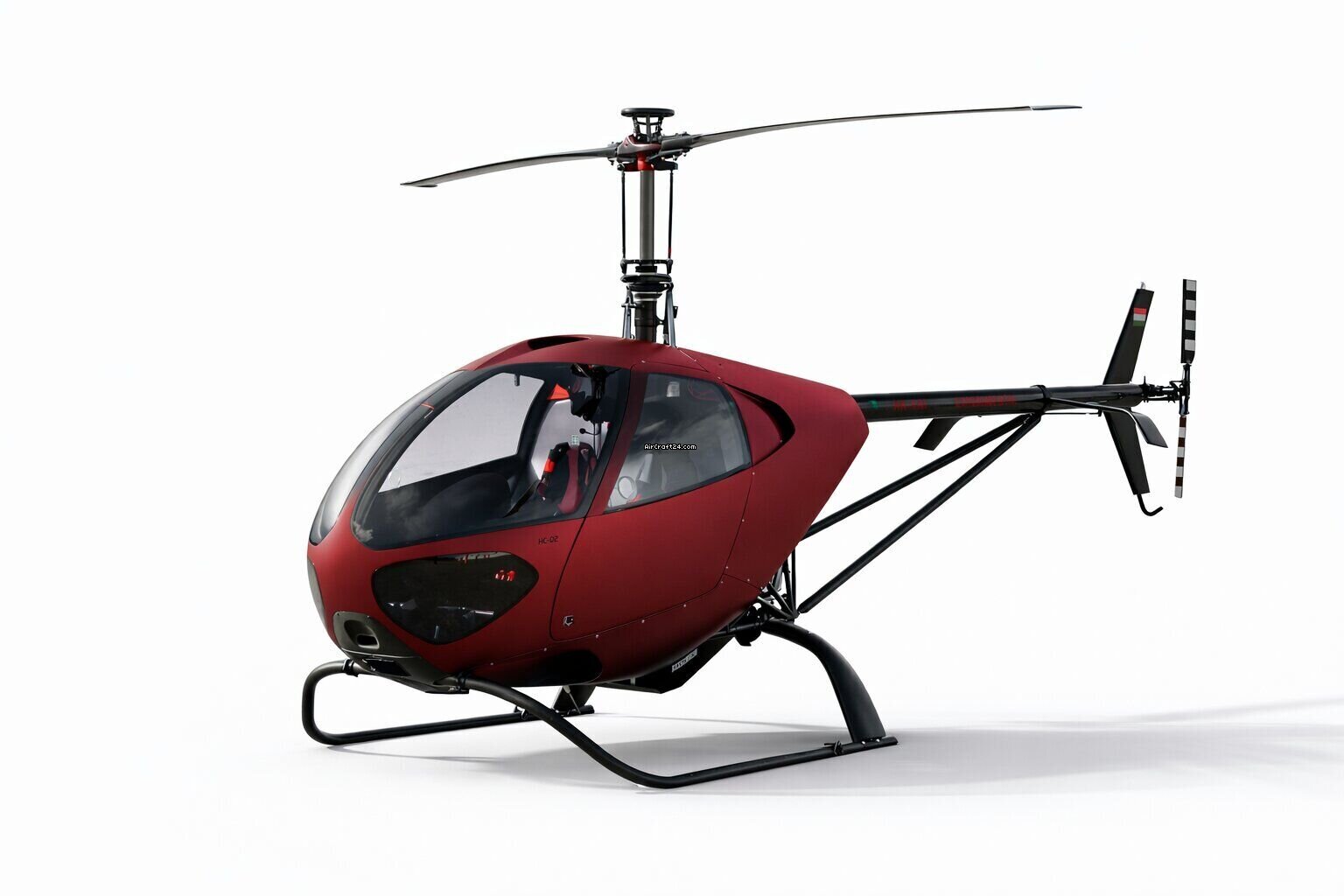
2027 OTHERS / SONSTIGE Hungarocopter HC-02.2
€255,000
Hungary, Verpelét
Helicopter
2010 OTHERS / SONSTIGE heli-plattform with traktor
€11,602
Germany
Helicopter
2026 OTHERS / SONSTIGE DKT
€299,000
Belgium
Helicopter
2010 Aircraft Technologies Inc Dewald Sunny Sport
$7,328
Switzerland, Kreuzlingen
Single-engine
1965 FVA 18.3
€19,000
Germany
Single-engine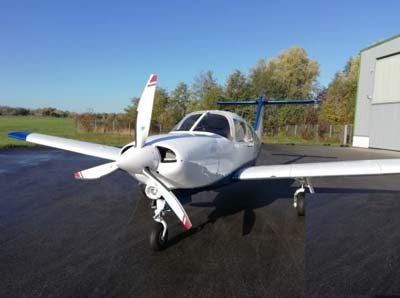
1983 Schwaemmle Hs-3 Motorlerche
€9,600
Single-engine
2013 Apollo D-112
€15,000
UltralightContinental O300/C145
$16,000
Carrollton, GA
VL3 RG Evolution
€165,000
EDRB Bitburg
Lycoming O-320-D2A
$10,000
Dixon, California
2010 Avama Stylus X3
€54,900
München, Deutschland
UltralightWhat a Aero AT-3 costs, how far it flies, and what it costs to keep
PlaneFox tracks 25 Aero AT-3 aircraft for sale and re-reads every one of them from the broker and dealer sites it watches, so the figures below move when the market moves. Every number on this page is measured from those live listings, not taken from a published price guide.
How much does a Aero AT-3 cost?
There are 25 Aero AT-3 listings on PlaneFox right now, 25 of them priced. They ask between EUR 7,000 and EUR 322,000, with a median of EUR 55,000.
How far can a Aero AT-3 fly?
A Aero AT-3 flies about 594 nm, roughly 1,100 km, which is about 5 h 30 min in still air at typical cruise.
What does a Aero AT-3 cost to own?
A Aero AT-3 costs about EUR 1,567 a month to own and fly: EUR 1,161 to run it, plus EUR 407 for a loan over 15 years on the median asking price here, EUR 54,900. Flown 150 hours a year, that is about EUR 115 for every flight hour.
More questions about the Aero AT-3
How much does a Aero AT-3 cost?
What is the price range for a used Aero AT-3?
How many Aero AT-3 aircraft are for sale right now?
Where can I find a Aero AT-3 for sale?
What should I check when buying a used Aero AT-3?
How do Aero AT-3 prices change with year of manufacture?
About the Aero AT-3
Aircraft overview
The Aero AT-3 is a Polish two-seat, low-wing light aircraft developed by Aero AT for flight training and private touring. The prototype first flew in 1997, with certified production following in the early 2000s, most commonly in the AT-3 R100 form. It is a metal airframe aircraft with fixed tricycle landing gear and side-by-side seating, aimed at the European very light aircraft and training market. Its significance for buyers is its combination of certified aircraft status, simple Rotax power, modest operating costs and handling suited to ab initio training as well as local touring.
Performance & specifications
Typical performance for the Aero AT-3 R100 includes a cruise speed of about 105 to 110 knots, depending on propeller, loading and power setting. Published range is commonly around 390 nautical miles with standard fuel, subject to reserve and operating profile. The aircraft uses a Rotax 912 S or 912 ULS four-cylinder engine rated at 100 hp, driving a fixed-pitch propeller. Maximum takeoff weight is typically 582 kg, about 1,283 lb, with useful load varying by equipment fit and empty weight. Service ceiling is published at about 13,000 feet. Buyers should verify the exact operating limitations in the aircraft flight manual, as national certification basis and individual equipment can affect weights and payload.
Cabin & avionics
The cabin seats two occupants side by side under a large canopy, giving good visibility for instruction and circuit work. Cabin width and baggage capacity are modest, consistent with the aircraft’s training and light touring role rather than cross-country comfort for large loads. Avionics vary widely by aircraft. Earlier examples often have conventional analogue flight instruments, basic VHF communication and transponder equipment. Later or upgraded aircraft may include Garmin GPS or radio units, Mode S transponders, 8.33 kHz radios, engine monitoring and, in some cases, compact glass displays from suppliers such as Dynon or Garmin. Full integrated suites such as Garmin Perspective or G1000 are not typical for the Aero AT-3.
Buying & value
On the used market, the Aero AT-3 is generally positioned as an economical certified trainer or private owner aircraft, often compared with other Rotax-powered two-seat trainers. PlaneFox listing data shows an average asking price around EUR 34,000, with a broad range from about EUR 9,000 to EUR 299,000, reflecting condition, registration status, equipment and outlier listings. Important checks include Rotax engine hours and calendar items, gearbox and carburetor maintenance, propeller condition, landing gear wear from training use, canopy condition, corrosion protection and completeness of logbooks. The AT-3 R100 is the key production variant to identify. Upgrades that add value include modern radios, Mode S transponder, ADS-B where applicable, approved GPS and tidy interior refurbishment.