Aero Designs Pulsar XP100
€35,000
Vöslau LOAV, Austria
ultralight
Aero Designs Pulsar XP
€35,000
St. Peter-Ording (DE)
ultralight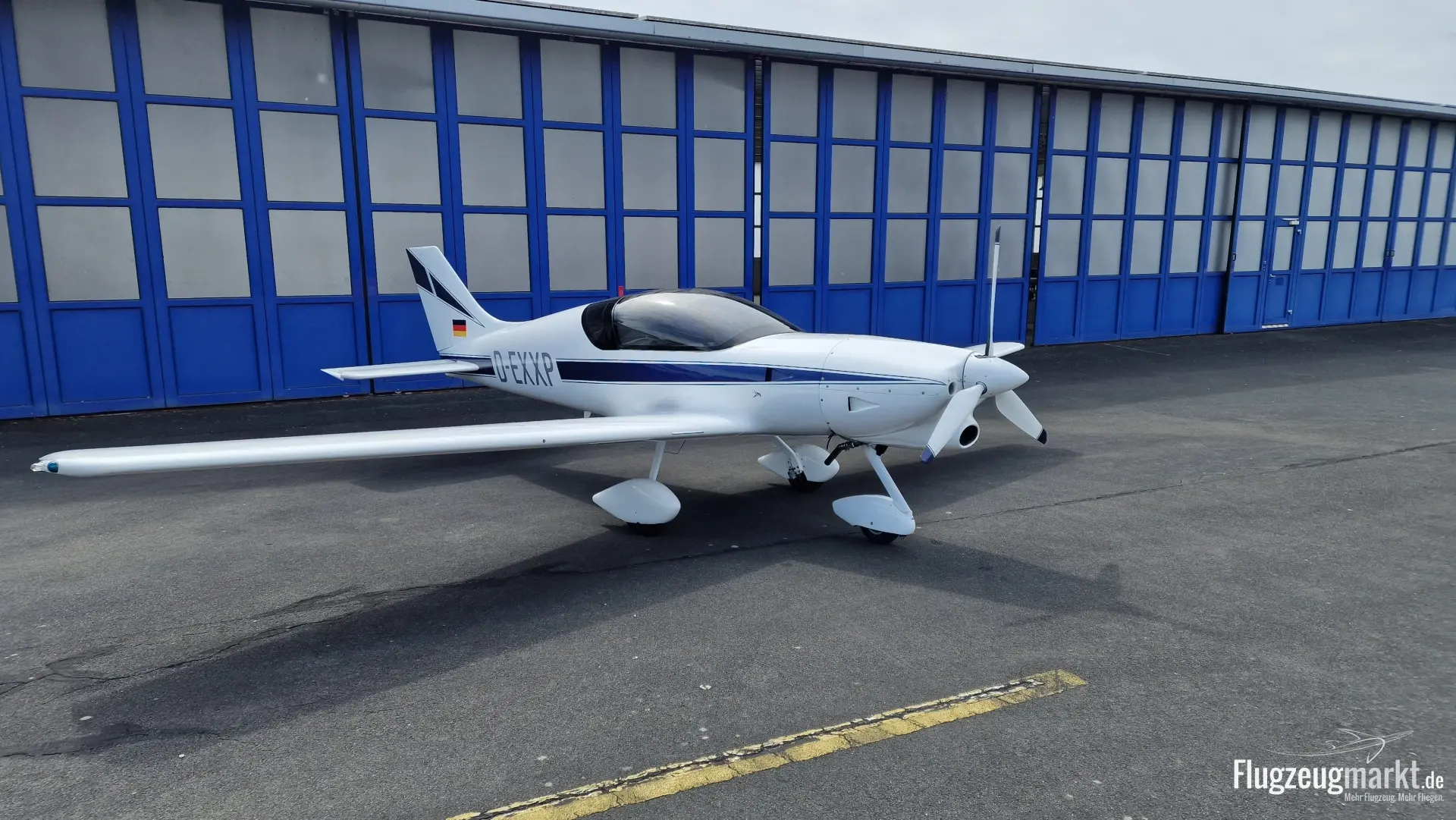
Aero Designs Pulsar XP
€47,000
Burg Feuerstein (DE)
ultralight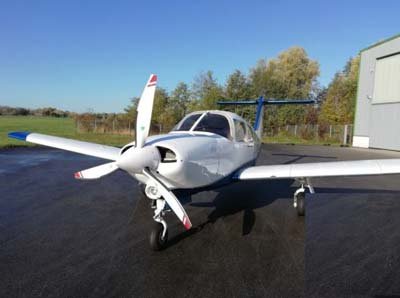
Aero Designs - Pulsar XP Aero Designs Pulsar XP
€40,000
ultralight2001 Aviation Traders Pulsar XP
€25,000
Kamenz, Deutschland
ultralightWhat a Pulsar costs, how far it flies, and what it costs to keep
PlaneFox tracks 5 Pulsar aircraft for sale and re-reads every one of them from the broker and dealer sites it watches, so the figures below move when the market moves. Every number on this page is measured from those live listings, not taken from a published price guide.
How much does a Aero Designs Pulsar cost?
There are 5 Aero Designs Pulsar listings on PlaneFox right now, 5 of them priced. They ask between EUR 25,000 and EUR 47,000, with a median of EUR 35,000.
How far can a Aero Designs Pulsar fly?
A Aero Designs Pulsar flies about 782 nm, roughly 1,448 km, which is about - in still air at typical cruise.
What does a Aero Designs Pulsar cost to own?
A Aero Designs Pulsar costs about EUR 1,308 a month to own and fly: EUR 1,049 to run it, plus EUR 259 for a loan over 15 years on the median asking price here, EUR 35,000. Flown 150 hours a year, that is about EUR 130 for every flight hour.
More questions about the Pulsar
How much does a Pulsar cost?
What is the price range for a used Pulsar?
How many Pulsar aircraft are for sale right now?
Where can I find a Pulsar for sale?
What should I check when buying a used Pulsar?
About the Aero Designs Pulsar
Aircraft overview
The Aero Designs Pulsar is a two-seat, amateur-built light aircraft developed in the United States by Aero Designs, with the original design associated with Mark Brown. It emerged in the mid 1980s as a compact composite, low-wing sport aircraft for private flying, cross-country use and efficient personal transport. The type matters in the used market because it combines homebuilt construction, economical operating costs and relatively clean aerodynamics in a small airframe. It should be evaluated as an individual Experimental category aircraft, since build quality, equipment and paperwork vary significantly from one example to another.
Performance & specifications
Typical Aero Designs Pulsar examples use a Rotax 912 series engine, commonly the 80 hp Rotax 912UL, although individual aircraft may have different approved installations under their Experimental operating limitations. Published figures for Rotax-powered Pulsar XP aircraft include cruise speeds around 120 knots, range in the region of 430 nautical miles, a useful load around 560 lb and a service ceiling near 15,000 feet. The airframe is generally a composite, cantilever low-wing design with side-by-side seating and fixed tricycle landing gear. Buyers should confirm actual empty weight, gross weight, fuel capacity and performance from the specific aircraft logbooks and flight test records.
Cabin & avionics
The Pulsar cabin seats two occupants side by side under a compact canopy. It is a small sport aircraft rather than a touring cabin-class machine, so shoulder room, baggage allowance and noise levels should be assessed in person. Avionics are not standardized. Older aircraft may have basic analog flight instruments, a VHF com radio and a transponder, while upgraded examples may carry portable or panel-mounted GPS, engine monitors, ADS-B equipment and modern experimental avionics from Garmin, Dynon, MGL or similar suppliers. Factory suites such as Garmin Perspective or G1000 are not typical for the Aero Designs Pulsar.
Buying & value
Key buying points include build quality, composite condition, control rigging, landing gear alignment, fuel system integrity, weight and balance data, engine installation details and completeness of the operating limitations. Rotax maintenance history, gearbox records, hose age and propeller condition are especially important on 912-powered aircraft. Common value drivers include a well-documented build, current avionics, ADS-B compliance, clean canopy and interior condition, and proven cross-country performance. PlaneFox used-market data currently places Aero Designs Pulsar asking prices around EUR 40,000 on average, with observed listings from about EUR 25,000 to EUR 47,000, positioning it as an economical Experimental two-seater rather than a certified trainer or factory-built LSA.