What a Silent costs, how far it flies, and what it costs to keep
PlaneFox tracks 3 Silent aircraft for sale and re-reads every one of them from the broker and dealer sites it watches, so the figures below move when the market moves. Every number on this page is measured from those live listings, not taken from a published price guide.
What does a Alisport Silent cost to own?
A Alisport Silent costs about EUR 683 a month to run, or about EUR 55 for every flight hour when it is flown 150 hours a year.
More questions about the Silent
How much does a Silent cost?
What is the price range for a used Silent?
How many Silent aircraft are for sale right now?
Where can I find a Silent for sale?
What should I check when buying a used Silent?
About the Alisport Silent
Aircraft overview
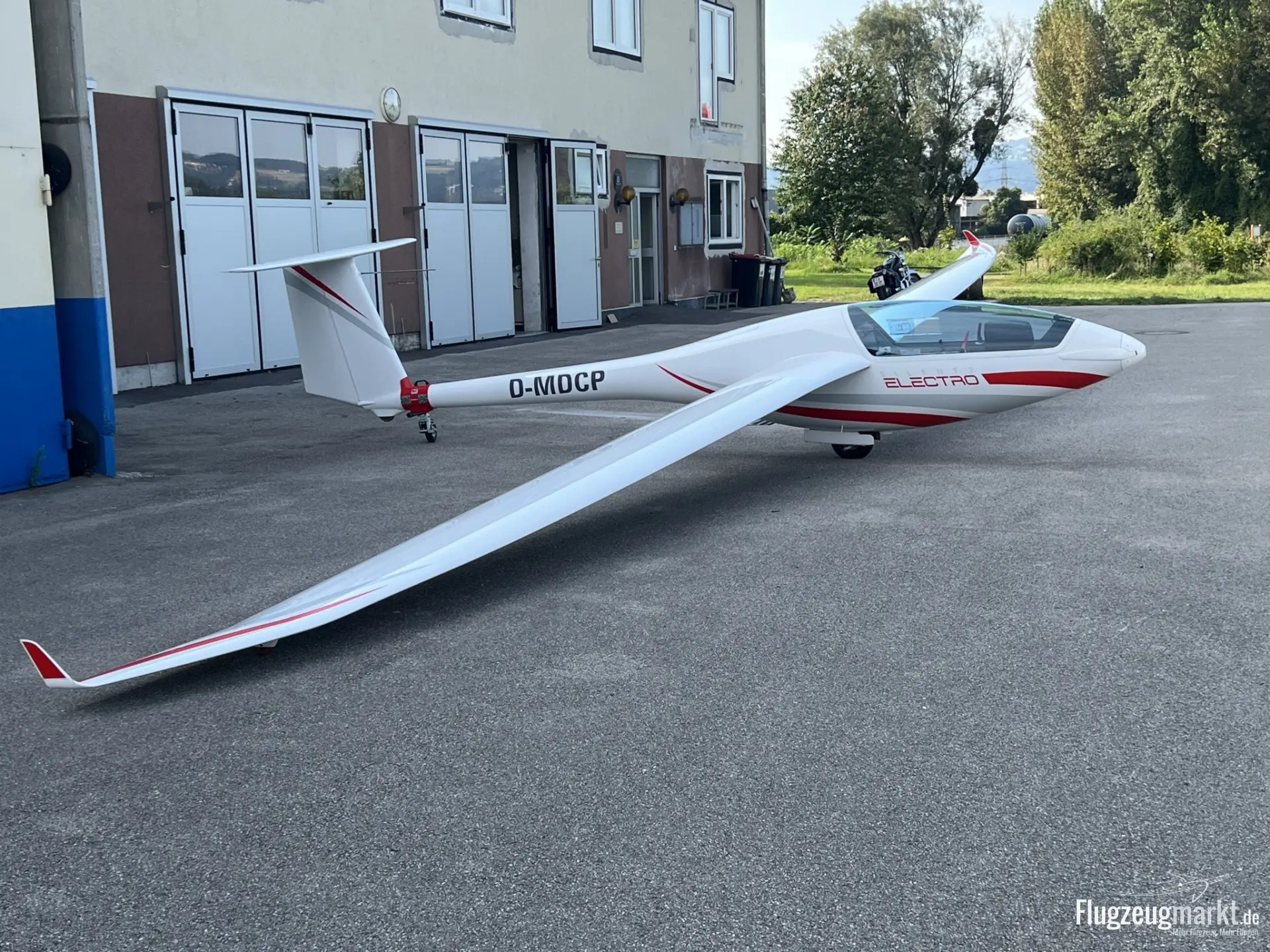
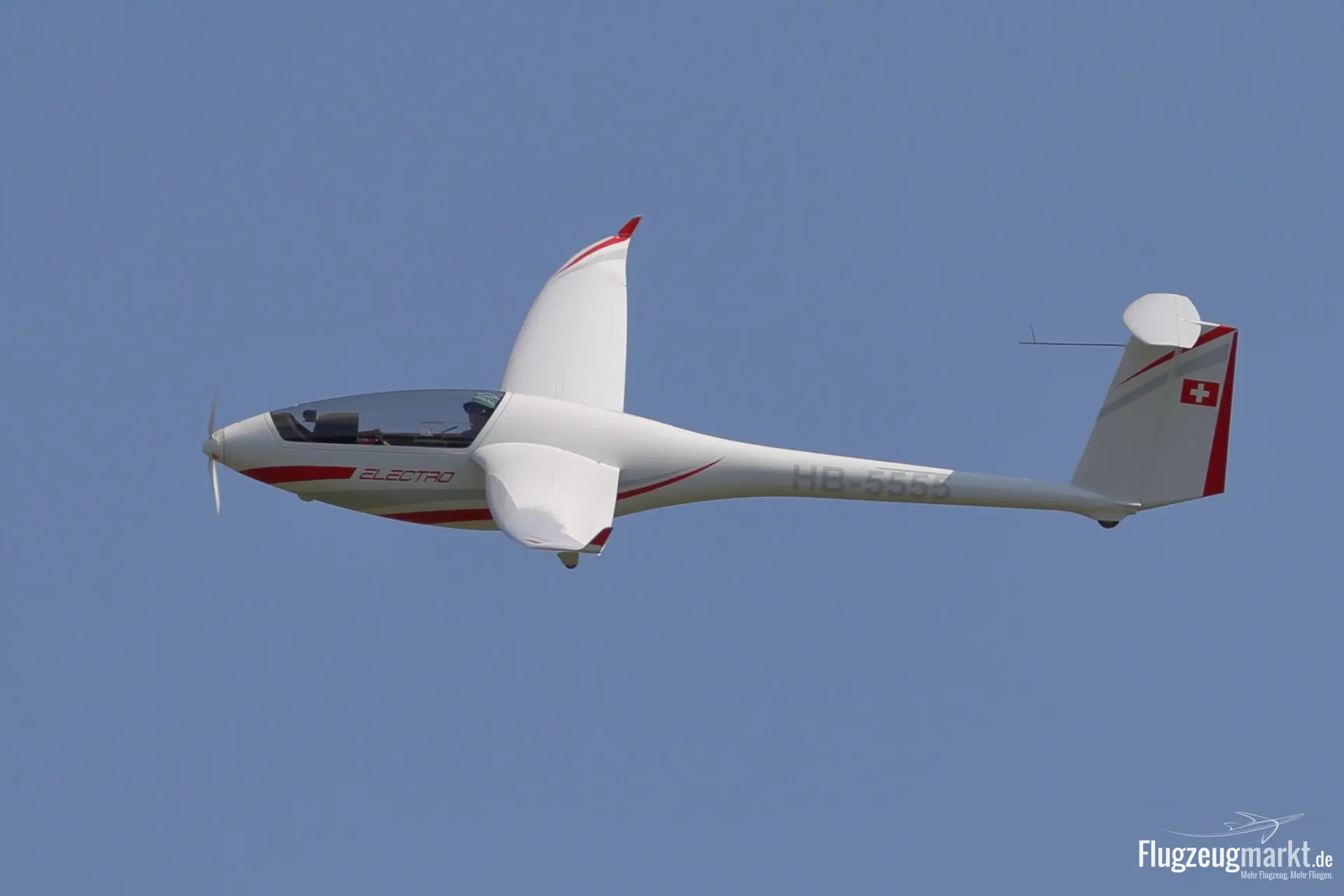
The Alisport Silent is a single-seat, composite ultralight sailplane and self-launching motorglider produced by Alisport in Italy. The design appeared in the 1990s and was built in relatively small numbers, aimed at pilots who wanted low operating costs, hangar-friendly dimensions and independent launching without moving into a conventional certified motorglider. It matters in the used market because it sits between pure sailplanes, ultralight motor gliders and compact experimental aircraft, with a strong emphasis on soaring efficiency rather than transportation utility.
Performance & specifications
The Silent is best understood as a sailplane with auxiliary power, not as a cross-country cruiser. Powered cruise is typically in the region of 55 to 65 knots, depending on propeller, engine installation, weight and airframe condition. Range is highly installation-dependent because fuel capacity and operating technique vary, so buyers should verify the actual tankage and endurance of the individual aircraft. Published examples use a retractable pylon-mounted, two-stroke engine installation, commonly from the JPX or Solo families, driving a small pusher propeller. Useful load and ceiling also vary by national microlight rules, equipment fit and variant, so the aircraft’s weight and balance sheet is more important than a generic brochure figure.
Cabin & avionics
The cockpit is a compact, single-seat sailplane layout with a reclined seating position, clear canopy and controls optimized for soaring. Baggage capacity is limited, and comfort depends heavily on pilot size, cushion setup and canopy condition. Avionics are usually simple and owner-selected. Typical used examples may have an airspeed indicator, altimeter, variometer, compass, radio and transponder where required. Modern upgrades often include electronic variometers, compact moving-map displays, FLARM-compatible traffic equipment and portable GPS units. Integrated suites such as Garmin Perspective or Garmin G1000 are not typical for the Alisport Silent.
Buying & value
Prospective buyers should focus on composite condition, control-system rigging, canopy fit, landing gear wear, trailer condition and evidence of careful storage. For powered examples, the retractable engine pylon, propeller, fuel system, cooling, ignition and engine logs deserve close inspection. Variant identification is important, since the Silent name has been associated with related Alisport models and later developments, and parts compatibility should not be assumed. On the used market, the Alisport Silent generally appeals to experienced soaring pilots seeking an economical self-launching aircraft rather than buyers needing speed, payload or touring capability.