Avid Aircraft Flyer for Sale
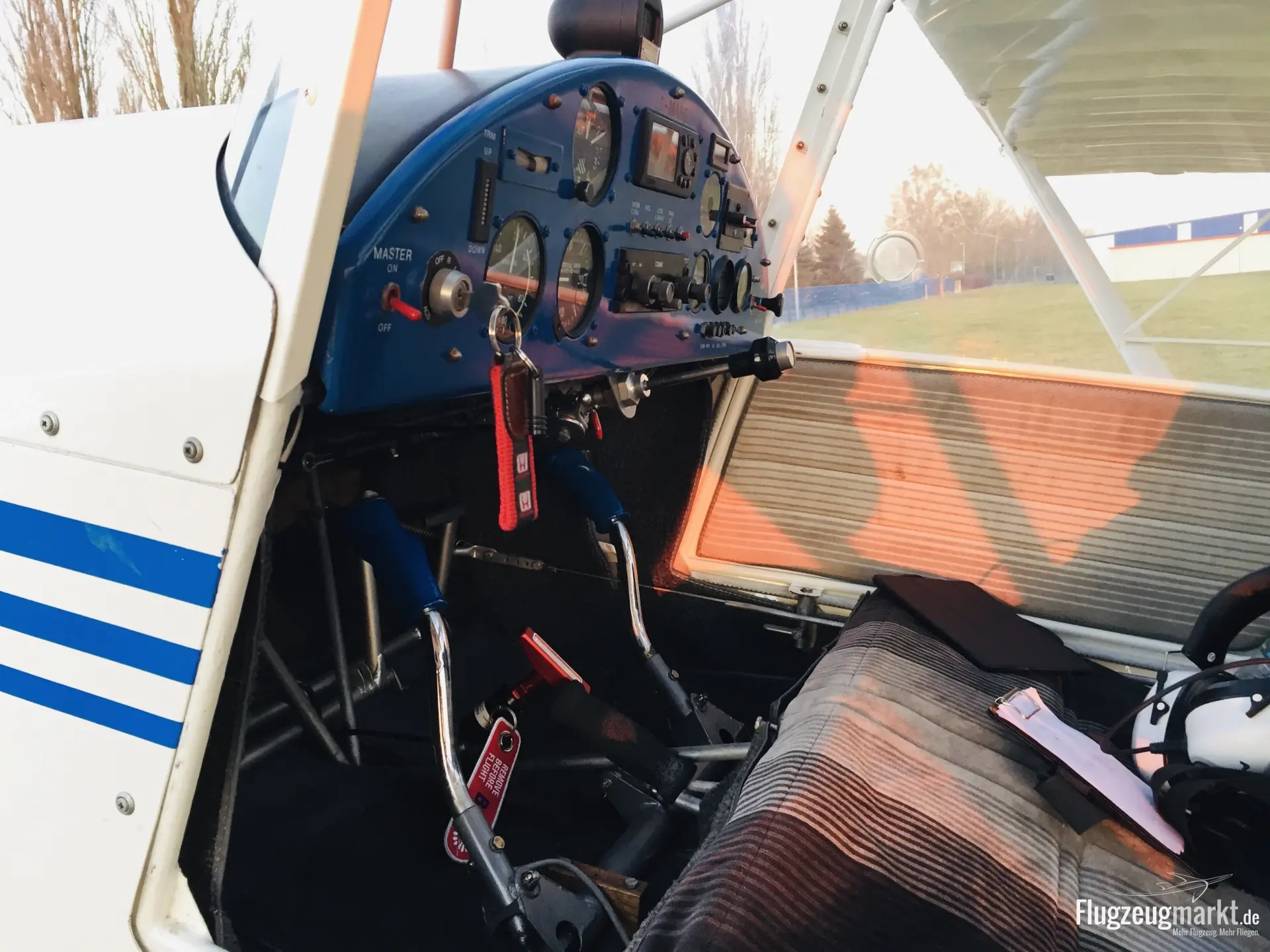
Avid Aircraft Avid Flyer Mk IV Heavy Hauler
€18,000
Berlin (DE)
ultralight
Avid Aircraft Avid Flyer Mk IV Heavy Hauler
€19,000
Hildesheim (DE)
ultralight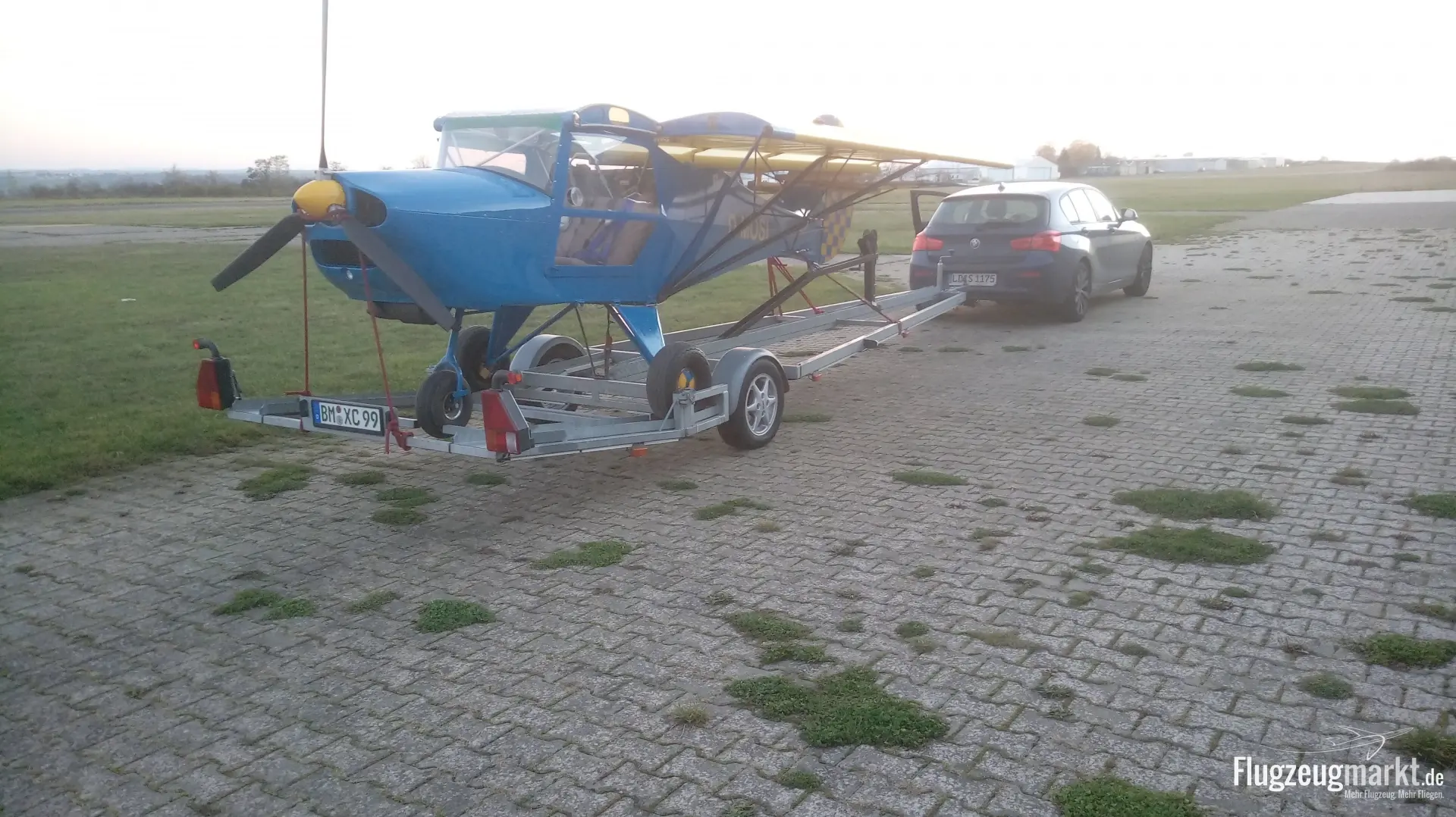
Avid Aircraft Avid Flyer Mk IV Heavy Hauler
€30,000
Schweighofen (DE)
ultralight
Avid - Avid Flyer Mk. 4 Speedwing Avid Avid Flyer Mk. 4 Speedwing
€24,500
ultralight2004 Avid Avid Flyer
on request
Troistorrents, Schweiz
ultralightWhat a Flyer costs, how far it flies, and what it costs to keep
PlaneFox tracks 5 Flyer aircraft for sale and re-reads every one of them from the broker and dealer sites it watches, so the figures below move when the market moves. Every number on this page is measured from those live listings, not taken from a published price guide.
How far can a Avid Aircraft Flyer fly?
A Avid Aircraft Flyer flies about 750 nm, roughly 1,389 km, which is about 7 h 30 min in still air at typical cruise.
What does a Avid Aircraft Flyer cost to own?
A Avid Aircraft Flyer costs about EUR 637 a month to run, or about EUR 71 for every flight hour when it is flown 150 hours a year.
More questions about the Flyer
How much does a Flyer cost?
What is the price range for a used Flyer?
How many Flyer aircraft are for sale right now?
Where can I find a Flyer for sale?
What should I check when buying a used Flyer?
About the Avid Aircraft Flyer
Aircraft overview
The Avid Aircraft Flyer is a two-seat, high-wing, kit-built light aircraft developed by Dean Wilson and produced by Avid Aircraft beginning in the early 1980s, with the type’s first flight generally cited in 1983. It was designed as a compact sport and utility aircraft with short-field capability, folding wings, and straightforward construction for the amateur-built market. The Flyer matters because it helped define the lightweight STOL kitplane category and influenced later designs, while remaining a recognizable choice among used experimental aircraft buyers.
Performance & specifications
Performance varies by version, build quality, propeller, landing gear, and engine installation. A representative Avid Flyer Model C with a Rotax 582 two-stroke engine is typically cited with cruise performance around 75-80 knots, a range of about 260 nautical miles, and a service ceiling of roughly 12,000 feet. Useful load is commonly in the neighborhood of 400 lb, though individual aircraft weight-and-balance data should be treated as controlling. Powerplants seen in the fleet include Rotax 503 and Rotax 582 installations, with some aircraft converted to other approved experimental installations by their builders or later owners.
Cabin & avionics
The Avid Aircraft Flyer has side-by-side seating for two in a simple, narrow cabin with large glazing and good low-speed visibility. Access, baggage space, ventilation, and interior finish depend heavily on the individual kit completion. Most examples are basic VFR aircraft rather than factory-standardized avionics platforms. Typical panels may include analog flight and engine instruments, a panel-mounted or handheld com radio, transponder with ADS-B Out where required, portable GPS, or compact experimental EFIS units. Integrated suites such as Garmin G1000 or Garmin Perspective are not typical for this aircraft.
Buying & value
Used-market evaluation should focus on build documentation, airframe alignment, wing-fold hardware, fabric condition, corrosion protection, landing gear condition, control rigging, and the quality of any engine conversion. Rotax two-stroke installations require careful review of operating history, maintenance practices, gearbox condition, and calendar-related component limits. Buyers should distinguish the Avid Aircraft Flyer from later or related Avid models, as gross weight, wing, landing gear, and performance details can differ. Common upgrades include improved brakes, tundra tires, skis or floats on suitable aircraft, modern radios, ADS-B equipment, and lightweight EFIS displays. In the used market, the Flyer generally sits as an economical experimental STOL aircraft for pilots who value low operating cost and short-field capability over speed, payload, or standardized factory support.