Bombardier Challenger 300 Series for Sale

Bombardier/Challenger 350
Contact for Price
jet
2021 Bombardier Challenger 350
Contact for Price
jet
2018 Bombardier Challenger 350
Contact for Price
jet
2010 Bombardier CHALLENGER 300
Contact for Price
jet
2026 Bombardier Challenger 3500
Contact for Price
jet
2005 Bombardier Challenger 300
Contact for Price
jet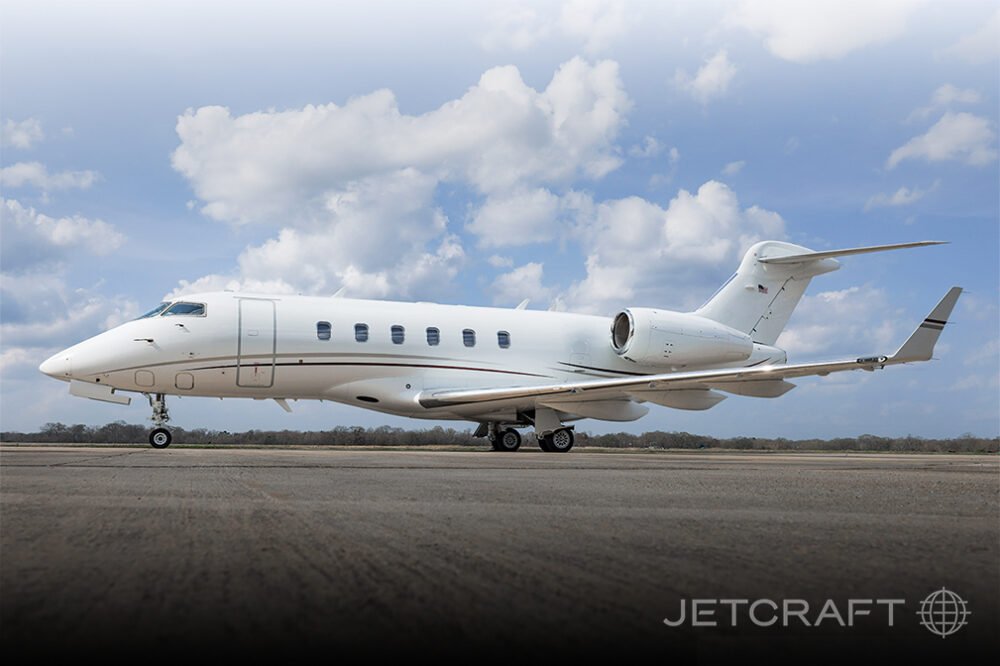
2012 Bombardier Challenger 300
Contact for Price
Bombardier Service Center – Windsor Locks, CT (KBDL)
jet
2013 Bombardier Challenger 300
Contact for Price
Brazil
jet2013 BOMBARDIER CHALLENGER 300
Contact for Price
Opa-Locka, Florida
jet2007 BOMBARDIER CHALLENGER 300
$10,450,000
Rio Rancho, New Mexico
jet2019 BOMBARDIER CHALLENGER 350
Contact for Price
Columbus, Ohio
jet2010 BOMBARDIER CHALLENGER 300
Contact for Price
Oxford, Mississippi
jet2006 BOMBARDIER CHALLENGER 300
Contact for Price
Leesburg, Virginia
jet2018 BOMBARDIER CHALLENGER 350
Contact for PriceShare
Kinston, North Carolina
jet2009 BOMBARDIER CHALLENGER 300
Contact for Price
Teterboro, New Jersey
jet
2010 BOMBARDIER CHALLENGER 300
$8,250,000
Fort Lauderdale, Florida
jet2005 Bombardier Challenger 300
Contact for Price
jet2010 Challenger 300
$12,500,000
jetNot Listed BOMBARDIER CHALLENGER 350
Contact for Price
Atlanta
jet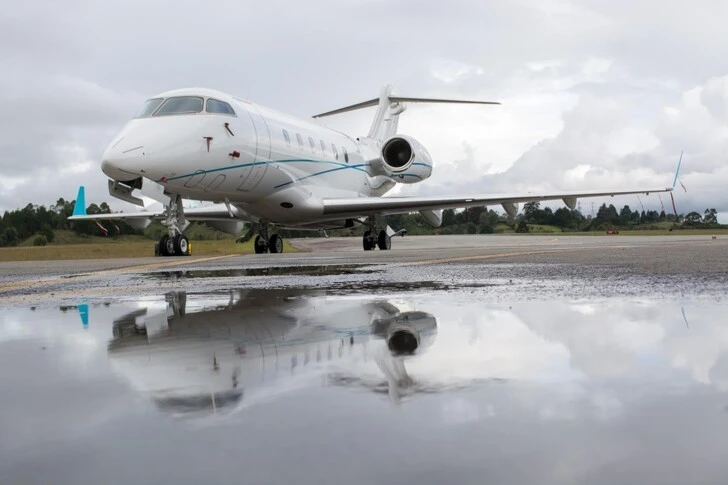
2012 BOMBARDIER/CHALLENGER 300
Price on Request
Medellín
jetWhat a Bombardier Challenger 300 Series costs, how far it flies, and what it costs to keep
PlaneFox tracks 20 Bombardier Challenger 300 Series aircraft for sale and re-reads every one of them from the broker and dealer sites it watches, so the figures below move when the market moves. Every number on this page is measured from those live listings, not taken from a published price guide.
How far can a Bombardier Challenger 300 Series fly?
A Bombardier Challenger 300 Series flies about 3,100 nm, roughly 5,741 km, which is about 6 h 45 min in still air at typical cruise.
What does a Bombardier Challenger 300 Series cost to own?
A Bombardier Challenger 300 Series costs about EUR 75,750 a month to run, or about EUR 3,140 for every flight hour when it is flown 150 hours a year.
More questions about the Bombardier Challenger 300 Series
How much does a Bombardier Challenger 300 Series cost?
What is the price range for a used Bombardier Challenger 300 Series?
How many Bombardier Challenger 300 Series aircraft are for sale right now?
Where can I find a Bombardier Challenger 300 Series for sale?
What should I check when buying a used Bombardier Challenger 300 Series?
About the Bombardier Challenger 300 Series
Aircraft overview
The Bombardier Challenger 300 Series is a purpose built super midsize business jet developed by Bombardier Aerospace. Announced as the Continental Business Jet, it first flew in 2001, entered service in 2004 and remained in production until 2014, when the closely related Challenger 350 succeeded it. The aircraft matters in the used market because it combined a true transcontinental cabin, strong runway performance and lower operating complexity than larger Challenger models, without being a shortened or derivative airframe.
Performance & specifications
Typical cruise is around Mach 0.80, with a high speed cruise capability of about Mach 0.82. Published range is approximately 3,100 nautical miles with NBAA IFR reserves, giving the Challenger 300 Series practical city pair capability such as coast to coast U.S. operations or Western Europe to the Middle East with suitable conditions. Maximum operating altitude is 45,000 feet. Power comes from two Honeywell HTF7000 turbofan engines, each rated at 6,826 lb of thrust. Key weights vary by configuration, but the type is commonly associated with a maximum takeoff weight of 38,850 lb, maximum fuel of about 14,150 lb and maximum payload of about 3,400 lb.
Cabin & avionics
The cabin typically seats eight or nine passengers, often in a double club arrangement with an aft lavatory and a forward galley. The flat floor cabin is a defining feature in this class, with about 6 feet 1 inch of height and a cabin width of about 7 feet 2 inches. Baggage access, cabin management equipment, seating condition and connectivity installations can vary significantly by individual aircraft. The standard flight deck is Rockwell Collins Pro Line 21, not Garmin Perspective or G1000, with four large displays and integrated business jet avionics appropriate to the aircraft’s certification era.
Buying & value
For buyers comparing used Challenger 300 Series aircraft, close review of engine status, maintenance program enrollment, landing gear timing, avionics compliance and interior refurbishment history is important. There are no major factory variants within the Challenger 300 Series, but individual aircraft may have meaningful upgrades such as ADS-B Out, WAAS or LPV capability, newer cabin management systems, Wi-Fi and refreshed interiors. In the used market it generally sits below the Challenger 350 and above older midsize jets in capability and price. Current PlaneFox listing data shows an average asking price of about EUR 11,920,000, with asking prices ranging from EUR 7,120,000 to EUR 15,530,000.