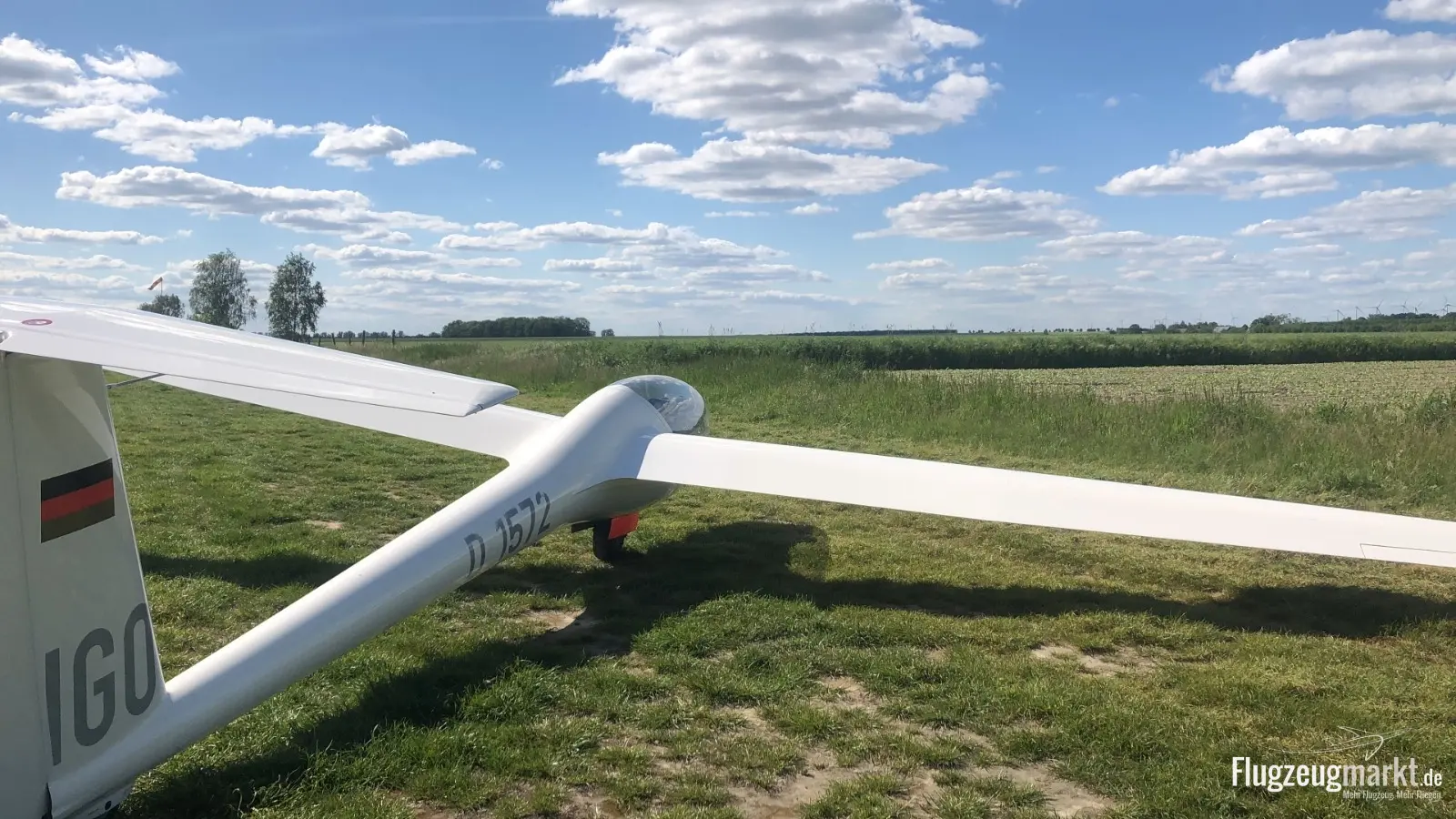
What a DG-300 costs, how far it flies, and what it costs to keep
PlaneFox tracks 6 DG-300 aircraft for sale and re-reads every one of them from the broker and dealer sites it watches, so the figures below move when the market moves. Every number on this page is measured from those live listings, not taken from a published price guide.
What does a DG Flugzeugbau DG-300 cost to own?
A DG Flugzeugbau DG-300 costs about EUR 211 a month to run, or about EUR 17 for every flight hour when it is flown 150 hours a year.
More questions about the DG-300
How much does a DG-300 cost?
What is the price range for a used DG-300?
How many DG-300 aircraft are for sale right now?
Where can I find a DG-300 for sale?
What should I check when buying a used DG-300?
About the DG Flugzeugbau DG-300
Aircraft overview
The DG Flugzeugbau DG-300 is a 15 meter Standard Class sailplane developed by Glaser-Dirks, the predecessor of DG Flugzeugbau. It first flew in 1983 and was produced through the early 1990s. The type was designed as a competition and cross country glider without flaps, using a glass fibre composite structure, retractable main wheel on most versions, and water ballast for higher wing loading in strong conditions. It matters on the used market because it represents a mature Standard Class design with good handling, established parts support through the DG lineage, and a broad pilot base familiar with its operating characteristics.
Performance & specifications
The DG-300 is unpowered, so range, cruise speed and ceiling depend on weather, pilot technique, oxygen equipment and local operating rules rather than fuel capacity or engine output. Published performance is typically quoted as a best glide ratio of about 41:1, with a minimum sink rate of roughly 1.9 feet per second. Inter thermal cruising is normally flown according to conditions, often well above best glide speed when carrying water ballast. The wingspan is 49.2 feet, with a Standard Class layout and no flaps. Maximum takeoff mass is commonly listed around 1,157 pounds, including pilot and ballast, although buyers should verify the exact aircraft data plate, flight manual and national certification basis. Powerplant: none.
Cabin & avionics
The DG-300 seats one pilot under a long, forward hinged canopy with a reclined soaring cockpit typical of 1980s competition sailplanes. Cabin fit varies by individual aircraft, so taller pilots should check pedal range, shoulder room and canopy clearance before purchase. Original equipment was conventional sailplane instrumentation: airspeed indicator, altimeter, variometer, compass and radio as fitted. Many used examples now carry modern electric varios, flight computers, FLARM compatible traffic awareness, GPS navigation displays, transponders where required, and upgraded batteries. Integrated powered aircraft suites such as Garmin G1000 or Garmin Perspective are not typical installations for this glider.
Buying & value
Pre purchase attention should focus on composite condition, gelcoat cracking, control rigging, water ballast tanks and valves, landing gear wear, canopy condition, trailer condition, and completeness of logbooks and flight manual supplements. Confirm compliance with applicable service bulletins and any national airworthiness directives. Common market distinctions include standard DG-300 examples, DG-300 Club versions with simplified equipment or fixed gear depending on configuration, and DG-300 Elan aircraft associated with refinements such as winglets. In used listings, the DG-300 generally sits above older club trainers and below newer high performance 15 meter and racing class sailplanes in price and capability.