Gardan GY-80 Horizon for Sale
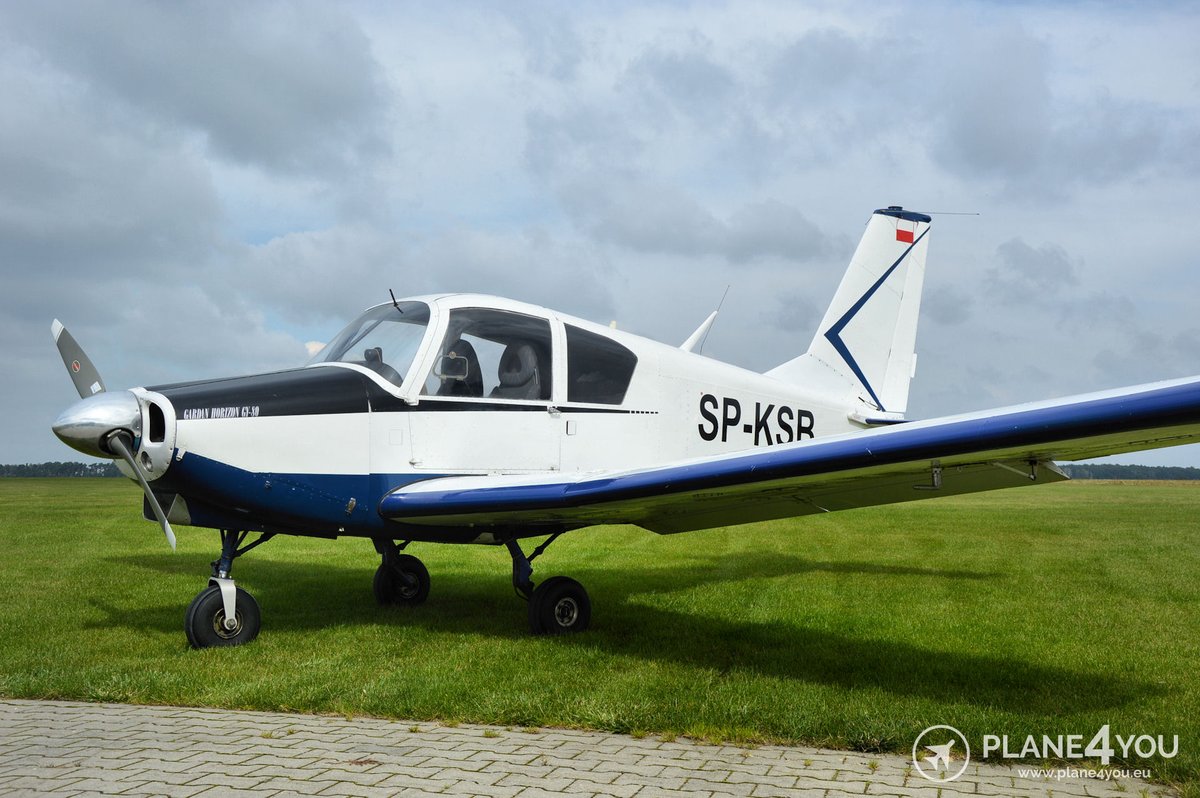
What a Gardan GY-80 Horizon costs, how far it flies, and what it costs to keep
PlaneFox tracks 3 Gardan GY-80 Horizon aircraft for sale and re-reads every one of them from the broker and dealer sites it watches, so the figures below move when the market moves. Every number on this page is measured from those live listings, not taken from a published price guide.
How far can a Gardan GY-80 Horizon fly?
A Gardan GY-80 Horizon flies about 513 nm, roughly 950 km, which is about 4 h 4 min in still air at typical cruise.
What does a Gardan GY-80 Horizon cost to own?
A Gardan GY-80 Horizon costs about EUR 1,745 a month to run, or about EUR 182 for every flight hour when it is flown 150 hours a year.
More questions about the Gardan GY-80 Horizon
How much does a Gardan GY-80 Horizon cost?
What is the price range for a used Gardan GY-80 Horizon?
How many Gardan GY-80 Horizon aircraft are for sale right now?
Where can I find a Gardan GY-80 Horizon for sale?
What should I check when buying a used Gardan GY-80 Horizon?
About the Gardan GY-80 Horizon
Aircraft overview
The Gardan GY-80 Horizon is a French, all metal, low wing touring aircraft designed by Yves Gardan and produced in the 1960s, principally by Sud Aviation and its successor organization. The type first flew in 1960 and entered series production in the early 1960s, with production continuing later in the decade. It was intended as a practical four seat private and club aircraft, combining fixed tricycle landing gear, familiar Lycoming power and conventional handling. For buyers, its significance is that it offers a distinctive European alternative to mainstream American four seat singles of the same period, with relatively simple systems and a durable metal airframe.
Performance & specifications
Typical performance depends on engine variant, propeller, weight and airframe condition. The common GY-80-150 and GY-80-160 versions use Lycoming four cylinder engines in the 150 hp to 160 hp class, while some aircraft are associated with higher power conversions or less common variants. Cruise speeds are generally in the region of 110 to 120 knots, with practical range often around 500 nautical miles when planned with reserves. Maximum operating altitudes are commonly quoted around the low teens, approximately 13,000 feet for representative models. Useful load varies by equipment fit and individual weight history, but many examples fall broadly in the 800 lb to 900 lb range.
Cabin & avionics
The Gardan GY-80 Horizon has four seats in a compact cabin, with two front seats and a rear bench or rear seating arrangement depending on interior configuration. Access, visibility and baggage practicality should be assessed aircraft by aircraft, as cabin refurbishment standards vary widely on surviving examples. Avionics are not factory modern in the way of Garmin Perspective or G1000 equipped aircraft. Most used aircraft retain analogue flight instruments, often upgraded over time with modern radios, Mode S transponders, portable GPS integration, Garmin GNS or GTN navigators, electronic engine monitors or compact digital attitude instruments such as Garmin G5 or similar units.
Buying & value
Used market evaluation should focus on airframe condition, corrosion inspection, logbook continuity, engine time, propeller status and evidence of compliant maintenance under the applicable national authority. Parts availability and type support are important, especially for airframe specific components, glazing, interior items and landing gear hardware. Buyers should distinguish the Gardan GY-80 Horizon from earlier Gardan designs and from unrelated Socata touring models. Typical examples are positioned as economical classic four seat tourers rather than high speed cross country aircraft. The strongest values usually attach to clean, corrosion free aircraft with low time engines, current avionics, documented upgrades and no unresolved structural or paperwork issues.