Learjet 40 / 45 for Sale
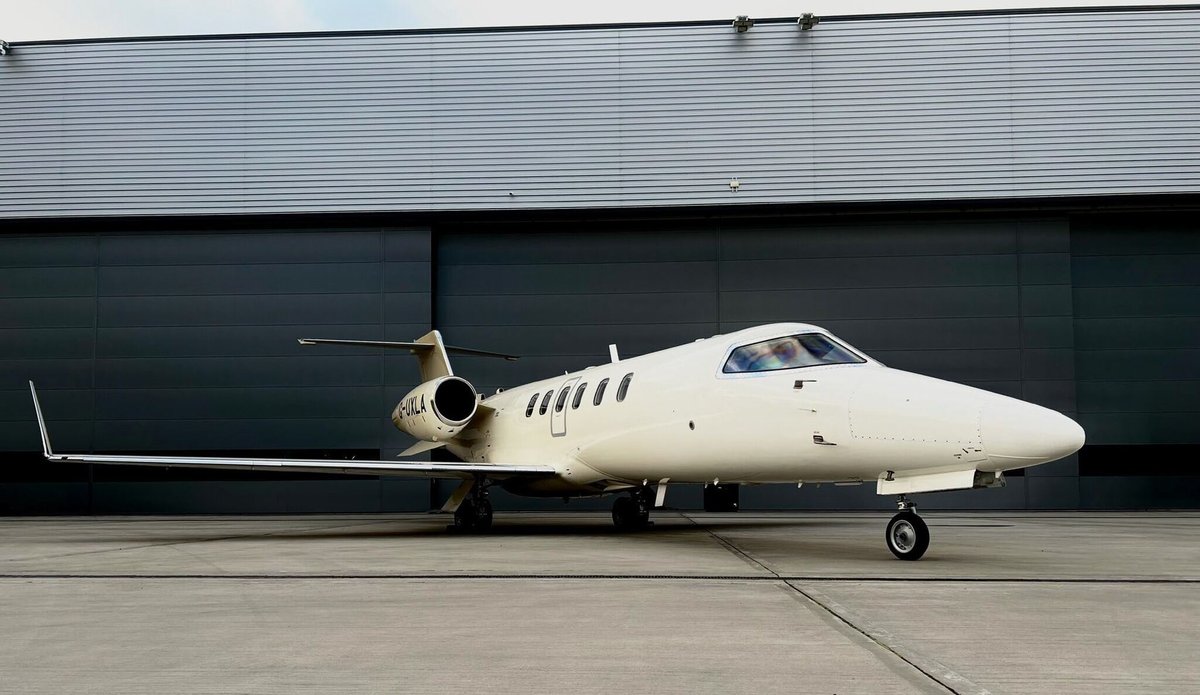
2004 Bombardier Learjet 40
Contact for Price
Europe, England, United Kingdom
jet2008 Bombardier Learjet 45XR
Contact for Price
jet
2004 Lear Jet 40 XR
Contact for Price
Biggin Hill
jet
Bombardier Learjet 45
Contact for Price
Monaco
jet
Bombardier Learjet 45XR
Contact for Price
Monaco
jet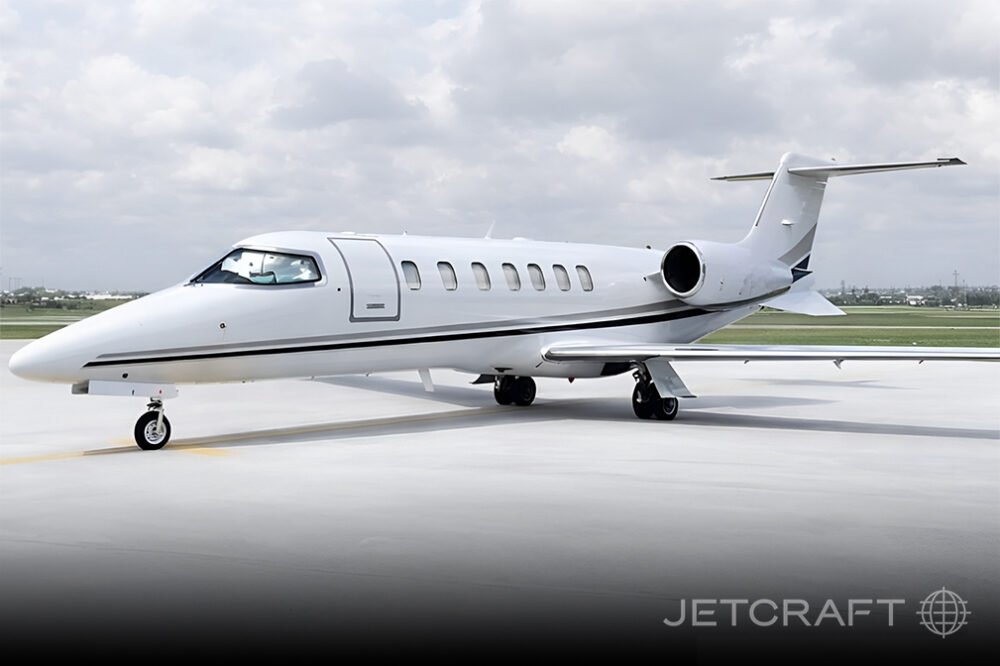
2008 Bombardier Learjet 40XR
Contact for Price
jet2009 LEARJET 45XR
Contact for Price
Sarasota
jet
2002 LEARJET 45
$2,195,000
Ft. Lauderdale
jet2005 LEARJET 45XR
Contact for Price
ZAF
jet2000 LEARJET 45
Contact for Price
Cornelius
jet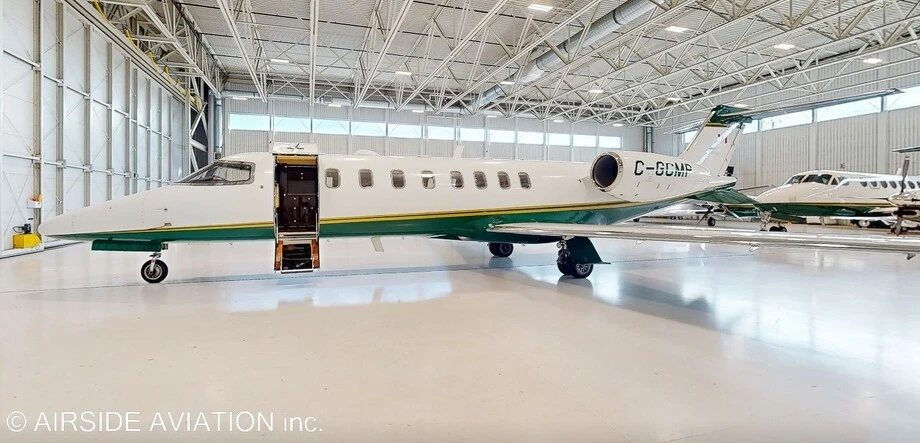
2012 LEARJET 45XR
$3,995,000
North America + Canada, Canada
jetNot Listed LEARJET 45
Contact for Price
Fort Lauderdale
jet2001 LEARJET 45
Contact for Price
Ft. Lauderdale
jetWhat a Learjet 40 / 45 costs, how far it flies, and what it costs to keep
PlaneFox tracks 13 Learjet 40 / 45 aircraft for sale and re-reads every one of them from the broker and dealer sites it watches, so the figures below move when the market moves. Every number on this page is measured from those live listings, not taken from a published price guide.
How far can a Learjet 40 / 45 fly?
A Learjet 40 / 45 flies about 1,968 nm, roughly 3,645 km, which is about 4 h 14 min in still air at typical cruise.
What does a Learjet 40 / 45 cost to own?
A Learjet 40 / 45 costs about EUR 73,740 a month to run, or about EUR 3,550 for every flight hour when it is flown 150 hours a year.
More questions about the Learjet 40 / 45
How much does a Learjet 40 / 45 cost?
What is the price range for a used Learjet 40 / 45?
How many Learjet 40 / 45 aircraft are for sale right now?
Where can I find a Learjet 40 / 45 for sale?
What should I check when buying a used Learjet 40 / 45?
About the Learjet 40 / 45
Aircraft overview
The Learjet 40 / 45 family was developed by Bombardier Learjet as a clean sheet light to midsize business jet line, separate from the earlier Learjet 31 and Learjet 60 families. The Learjet 45 first flew in 1995, received FAA certification in 1997 and entered service in 1998. The Learjet 40, a shorter cabin derivative of the Learjet 45, first flew in 2002 and entered service in 2004. Production of the family continued into the early 2010s, including the upgraded Learjet 40XR and Learjet 45XR. The type matters in the used market because it combines classic Learjet speed and high altitude capability with a more modern cabin cross section, a flat floor and a fully integrated avionics suite.
Performance & specifications
Typical high speed cruise is about 465 knots, with long range cruise commonly planned lower for efficiency. The Learjet 45 has a published range of about 1,900 nautical miles under NBAA IFR reserve assumptions, while the shorter Learjet 40 is typically quoted at about 1,800 nautical miles, depending on loading and conditions. Both models are certified to 51,000 feet. Power comes from two Honeywell TFE731 turbofans, with early Learjet 45 aircraft using TFE731-20AR engines and XR models using uprated TFE731-20BR engines. Useful load varies by serial number, equipment and interior, so buyers should compare the actual weight and balance report rather than rely on brochure figures.
Cabin & avionics
The Learjet 45 normally seats eight passengers in a double club cabin, with a belted lavatory seat often available as an additional certified seat. The Learjet 40 usually seats six to seven passengers in a shorter cabin. Both have a flat floor, a forward galley area and an enclosed aft lavatory, but cabin height remains in the light jet class rather than stand up. Avionics are typically Honeywell Primus 1000, not Garmin Perspective or G1000. Buyers should review display condition, autopilot functions, FMS configuration, WAAS or LPV capability, ADS-B compliance and any cockpit refurbishment history.
Buying & value
On the used market, the Learjet 40 / 45 often sits between smaller light jets and larger midsize aircraft, valued for speed, ceiling and range rather than maximum cabin volume. Important checks include engine program status, TFE731 maintenance history, landing gear inspections, corrosion findings, service bulletin compliance and cabin pressurization condition. The XR variants are generally preferred for improved hot and high performance and later production dates. Current PlaneFox listing data shows an average asking price around EUR 2,440,000, with asking prices from about EUR 1,680,000 to EUR 3,450,000, reflecting variant, year, engine coverage, avionics updates and total time.