Let L-410 Turbolet for Sale
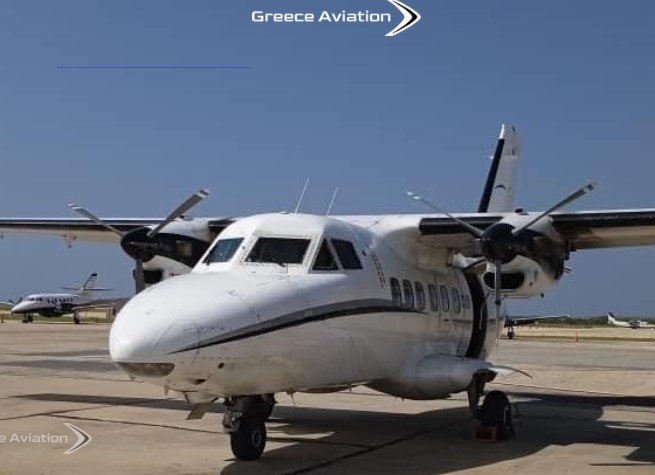
1982 Let L-410 UVP-LW
$850,000
turboprop
1980 Let L-410 UVP-LW
$850,000
turboprop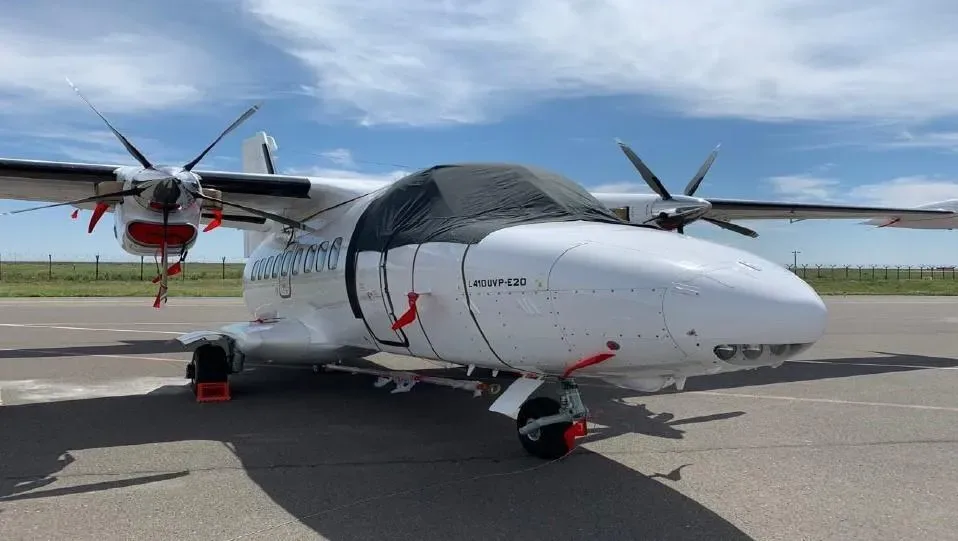
2022 Let L-410 UVP-E20
Contact for Price
turboprop
2022 Let L-410 UVP-E20
Contact for Price
turboprop
Let L 410 UVP-E20
Contact for Price
Kazakhstan
turboprop
Let L-410 UVP E20
Contact for Price
Un. Arab. Emir.
turboprop
Let TR410
$1,000,000
Russia, Krasnodar
turboprop
Let L410 UVP-E20
Contact for Price
Kazakhstan, Astana, NQZ
turbopropLet L-410
Contact for Price
Un. Arab. Emir.
turbopropWhat a Let L-410 Turbolet costs, how far it flies, and what it costs to keep
PlaneFox tracks 9 Let L-410 Turbolet aircraft for sale and re-reads every one of them from the broker and dealer sites it watches, so the figures below move when the market moves. Every number on this page is measured from those live listings, not taken from a published price guide.
How far can a Let L-410 Turbolet fly?
A Let L-410 Turbolet flies about 810 nm, roughly 1,500 km, which is about 3 h 42 min in still air at typical cruise.
What does a Let L-410 Turbolet cost to own?
A Let L-410 Turbolet costs about EUR 37,394 a month to run, or about EUR 2,032 for every flight hour when it is flown 150 hours a year.
More questions about the Let L-410 Turbolet
How much does a Let L-410 Turbolet cost?
What is the price range for a used Let L-410 Turbolet?
How many Let L-410 Turbolet aircraft are for sale right now?
Where can I find a Let L-410 Turbolet for sale?
What should I check when buying a used Let L-410 Turbolet?
About the Let L-410 Turbolet
Aircraft overview
The Let L-410 Turbolet is a Czech, twin engine turboprop utility and commuter aircraft developed by Let Kunovice, now Aircraft Industries. The prototype first flew in 1969, with series production beginning in the early 1970s and continuing through successive versions. It was designed for short regional routes, air taxi work, cargo, parachute operations, medical evacuation and operations from rough or unpaved strips. Its significance in the used market comes from a combination of 19 seat capacity, simple systems, high wing loading access, and a structure intended for frequent cycles in remote operating environments.
Performance & specifications
Typical performance depends on variant, engine standard and interior fit. The widely used L-410 UVP-E and L-410 UVP-E20 are commonly quoted with cruise speeds around 170 knots and practical range in the region of 500 to 800 nautical miles, depending on payload and reserves. Service ceiling is generally about 20,000 feet. Useful load varies by configuration, but many aircraft sit in the roughly 4,000 lb payload class. Power is normally provided by two Walter M601 series turboprops, later supported and developed under GE Aviation, driving three blade or five blade propeller installations depending on model and upgrade status.
Cabin & avionics
The standard passenger layout is up to 19 seats, with a relatively rectangular cabin, high wing visibility and a rear side cargo door that supports mixed passenger, freight and special mission use. Operators may configure the aircraft for commuter seating, executive shuttle work, skydiving, stretcher installation or cargo. Older Let L-410 Turbolet aircraft were delivered with conventional analog flight instruments and radio navigation equipment. Many used examples have since received IFR avionics updates such as Garmin GNS or GTN navigators, modern transponders, ADS-B equipment, digital engine monitoring or refreshed audio and communication systems. Full Garmin G1000 or Garmin Perspective style installations are not typical factory equipment for the classic Turbolet fleet.
Buying & value
Prospective buyers should distinguish carefully between early L-410A and L-410M aircraft, the improved UVP series, the UVP-E and the certified L-410 UVP-E20, which is the most common export standard. Key inspection points include engine life and hot section status, propeller model and remaining life, landing gear history, corrosion exposure, cabin floor condition, avionics compliance, service bulletin status and documentation quality. Aircraft with recent engine work, Western avionics upgrades, passenger interiors and clear regulatory history generally command stronger values. In the used market, the Let L-410 Turbolet is positioned as a rugged 19 seat turboprop below larger regional types, suited to buyers prioritizing short field utility and operating flexibility over cruise speed.