Roko Aero Via for Sale
Aviasud Mistral
€10,000
EPWJ, Poland
Roko Via
€65,000
Prague, Czech Rep.
ultralightTechproaviation Merlin 105
€14,900
Haderslev, Denmark
AVI Aircraft Swan 120
€29,500
Kirchheim unter Teck (DE)
ultralight2001 Aviation Traders Pulsar XP
€25,000
Kamenz, Deutschland
ultralightTechnovia
€999
1984 American Aviation Eagle XL
€500
Stadskanaal, Niederlande
ultralight2015 JAVRON AVIATION PA-18
Contact for Price
Northern
What a Roko Aero Via costs, how far it flies, and what it costs to keep
PlaneFox tracks 8 Roko Aero Via aircraft for sale and re-reads every one of them from the broker and dealer sites it watches, so the figures below move when the market moves. Every number on this page is measured from those live listings, not taken from a published price guide.
How much does a Roko Aero Via cost?
There are 8 Roko Aero Via listings on PlaneFox right now, 5 of them priced. They ask between EUR 10,000 and EUR 65,000, with a median of EUR 25,000.
How far can a Roko Aero Via fly?
A Roko Aero Via flies about 972 nm, roughly 1,800 km, which is about 8 h 18 min in still air at typical cruise.
What does a Roko Aero Via cost to own?
A Roko Aero Via costs about EUR 1,237 a month to own and fly: EUR 1,052 to run it, plus EUR 185 for a loan over 15 years on the median asking price here, EUR 25,000. Flown 150 hours a year, that is about EUR 125 for every flight hour.
More questions about the Roko Aero Via
How much does a Roko Aero Via cost?
What is the price range for a used Roko Aero Via?
How many Roko Aero Via aircraft are for sale right now?
Where can I find a Roko Aero Via for sale?
What should I check when buying a used Roko Aero Via?
About the Roko Aero Via
Aircraft overview
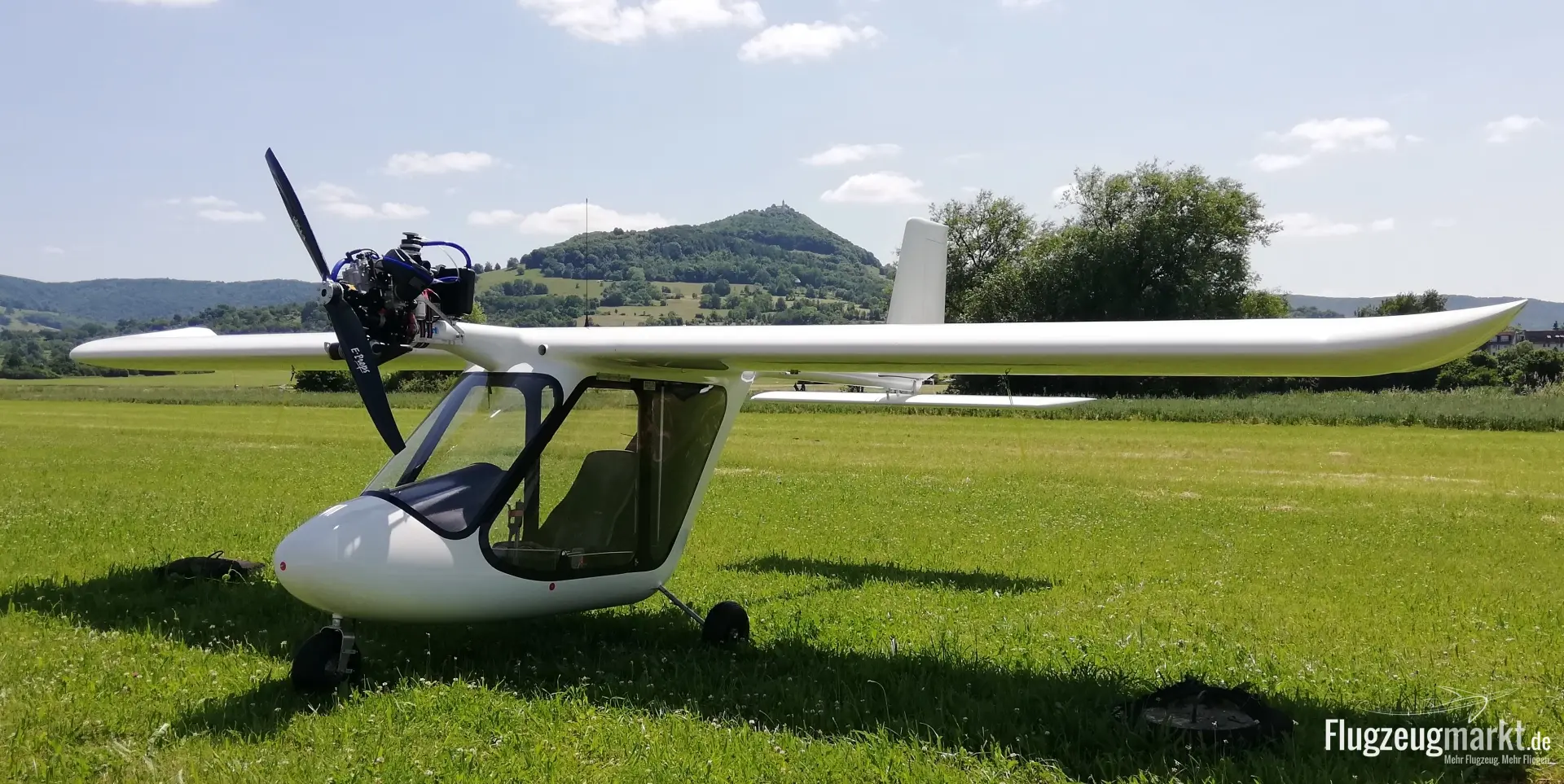
The Roko Aero Via is a Czech-built, two-seat light sport and ultralight class aircraft produced by Roko Aero. It sits in the same modern European light aircraft market as the company’s other side-by-side touring designs, but should be assessed as its own model rather than treated interchangeably with sibling Roko Aero types. The Via is intended for private touring, training, time-building and economical recreational flying, with low operating costs and simple Rotax power as central design themes.
Performance & specifications
Published figures for the Roko Aero Via can vary by certification category, propeller, equipment fit and national operating rules. Typical examples are associated with the 100 hp Rotax 912 series engine, including the Rotax 912 ULS in many light sport and ultralight installations. Buyers should expect performance in the general range of contemporary two-seat Rotax touring aircraft rather than high-performance certified singles. Important figures to verify from the aircraft’s own flight manual include cruise speed, usable fuel, demonstrated range, useful load, stall speeds and service ceiling. Empty weight is especially important, since avionics, ballistic parachute systems, paint and interior upgrades can materially affect payload in this class.
Cabin & avionics
The Via uses a two-seat, side-by-side cabin layout suited to instruction and owner-flown touring. Cabin comfort depends heavily on individual equipment, ventilation, seat trim and canopy or door fit, so condition and ergonomics should be inspected in person. Avionics are not standardized in the same way as factory-integrated Garmin Perspective or Garmin G1000 installations found in larger certified aircraft. Used examples may have light sport glass panels from Garmin, Dynon or similar suppliers, often paired with a VHF radio, transponder, engine monitoring and optional navigation equipment. Confirm ADS-B compliance, database status, wiring quality and whether any avionics changes are properly documented.
Buying & value
On the used market, the Roko Aero Via is best compared with other modern European Rotax-powered two-seat aircraft rather than with older certified trainers. Buyers should focus on airframe condition, maintenance history, Rotax calendar and hour status, propeller condition, landing gear wear, canopy or door sealing, corrosion protection and evidence of hard landings. Confirm the exact certification basis and operating limitations, since rules for ultralight, light sport and experimental categories affect training use, resale and cross-border operation. Desirable upgrades may include a modern glass panel, Mode S or ADS-B equipment, a ballistic parachute and a well-documented maintenance file.