Sportavia-Puetzer Elster for Sale
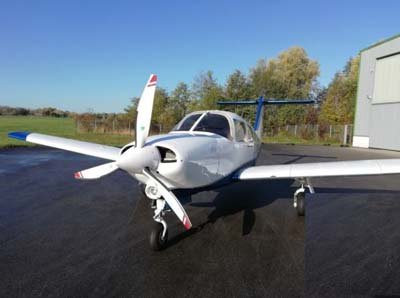
What a Elster costs, how far it flies, and what it costs to keep
PlaneFox tracks 1 Elster aircraft for sale and re-reads every one of them from the broker and dealer sites it watches, so the figures below move when the market moves. Every number on this page is measured from those live listings, not taken from a published price guide.
How far can a Sportavia-Puetzer Elster fly?
A Sportavia-Puetzer Elster flies about 243 nm, roughly 450 km, which is about 2 h 30 min in still air at typical cruise.
What does a Sportavia-Puetzer Elster cost to own?
A Sportavia-Puetzer Elster costs about EUR 1,745 a month to run, or about EUR 178 for every flight hour when it is flown 150 hours a year.
More questions about the Elster
How much does a Elster cost?
What is the price range for a used Elster?
How many Elster aircraft are for sale right now?
Where can I find a Elster for sale?
What should I check when buying a used Elster?
About the Sportavia-Puetzer Elster
Aircraft overview
The Sportavia-Puetzer Elster is a German two-seat light aircraft developed by Alfons Pützer and built by Sportavia-Pützer in the late 1950s and 1960s. It first flew in 1957 and was produced in small numbers, mainly for club flying, ab initio training and economical touring. The type matters today because it represents a distinct postwar German light-aircraft design, separate from the better-known Fournier aircraft later associated with Sportavia. It is valued by owners who want a simple, low-powered vintage aircraft with glider-like handling rather than a mainstream metal trainer.
Performance & specifications
Typical Elster performance is modest and should be assessed by variant, engine and individual aircraft condition. Published figures for common Elster B examples include a Continental C90 engine of about 90 hp, cruise speed around 85 to 90 knots, range in the region of 350 nautical miles and a service ceiling of roughly 14,000 feet. Maximum takeoff weight is commonly quoted at about 1,650 lb, giving a useful load of around 550 lb depending on equipment fit. The aircraft uses conventional fixed landing gear and a light, efficient airframe, so payload, fuel load and runway performance deserve careful review for real-world operations.
Cabin & avionics
The Sportavia-Puetzer Elster seats two occupants and has a compact vintage cabin suited to local flying, instruction and short touring rather than high-utilization cross-country work. Visibility and control feel are part of the aircraft’s appeal, but cabin width, baggage capacity and noise levels should be judged in person. Original avionics were basic VFR instruments, not integrated glass systems such as Garmin Perspective or G1000. Most flying examples now carry owner-installed equipment such as modern VHF radio, 8.33 kHz spacing where required, transponder, Mode S in European operations, portable or panel GPS and updated engine instrumentation.
Buying & value
Prospective buyers should focus less on headline price and more on airframe condition, documentation and supportability. Check wood, fabric and bonding condition, corrosion in metal fittings, control cable condition, landing gear alignment, engine time, propeller status and the completeness of German or EASA-era records. Variants are most often distinguished by engine fit and detail equipment, so verify the exact model against the aircraft papers rather than relying on advertisements. Sensible upgrades include compliant radios, transponder, GPS, new fabric, improved harnesses and carefully documented engine changes. In the used market, the Elster sits as a niche vintage European two-seater, generally compared with classic club trainers, motor-glider-derived tourers and other low-power historic aircraft rather than modern LSAs or high-speed touring aircraft.