Stampe SV-4
£85,000
Duxford, England
single-engine
1946 Stampe SV-4C
£75,000
Sorigny France
single-engine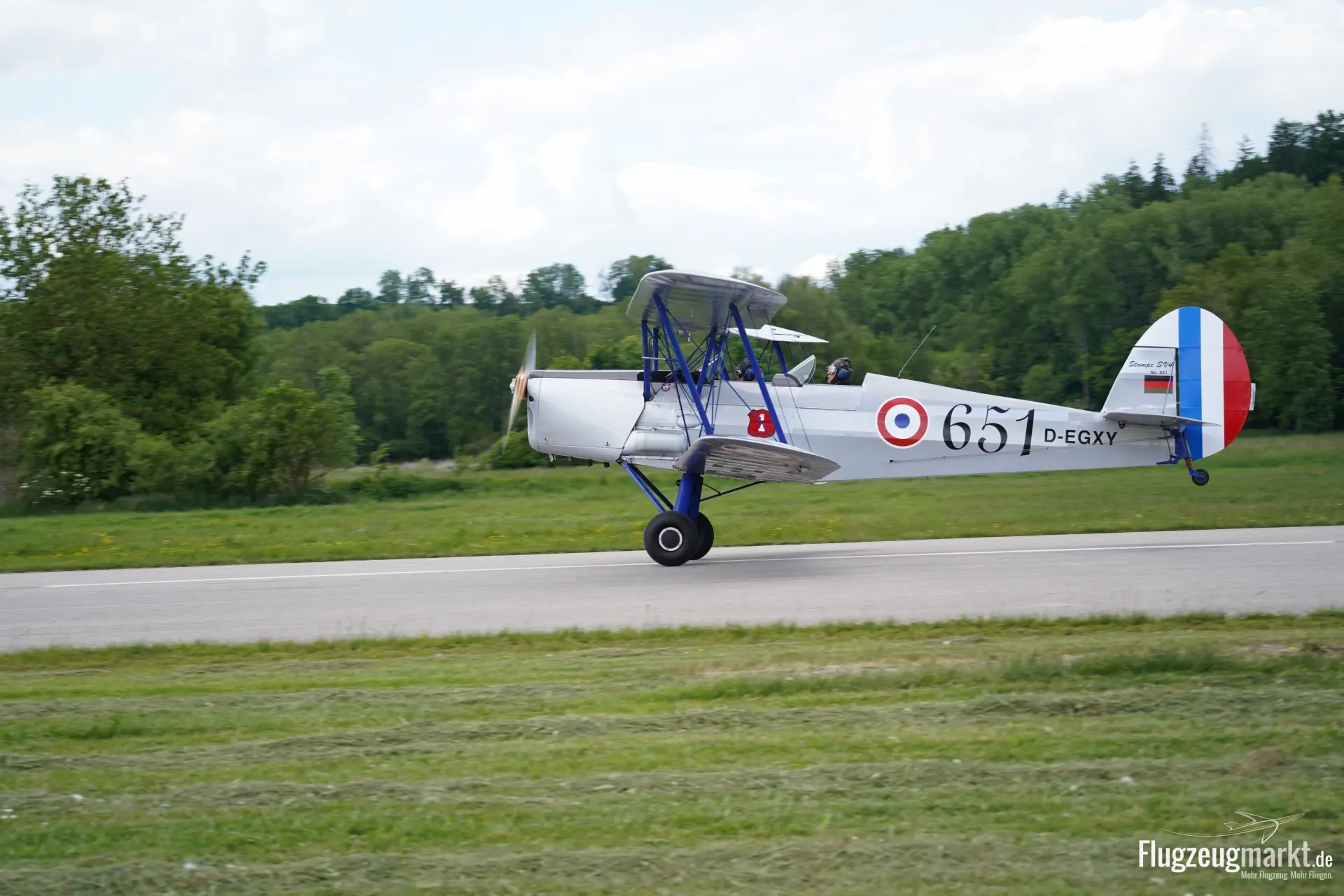
Stampe & Vertongen SV-4C
€67,000
Mühldorf am Inn (DE)
single-engine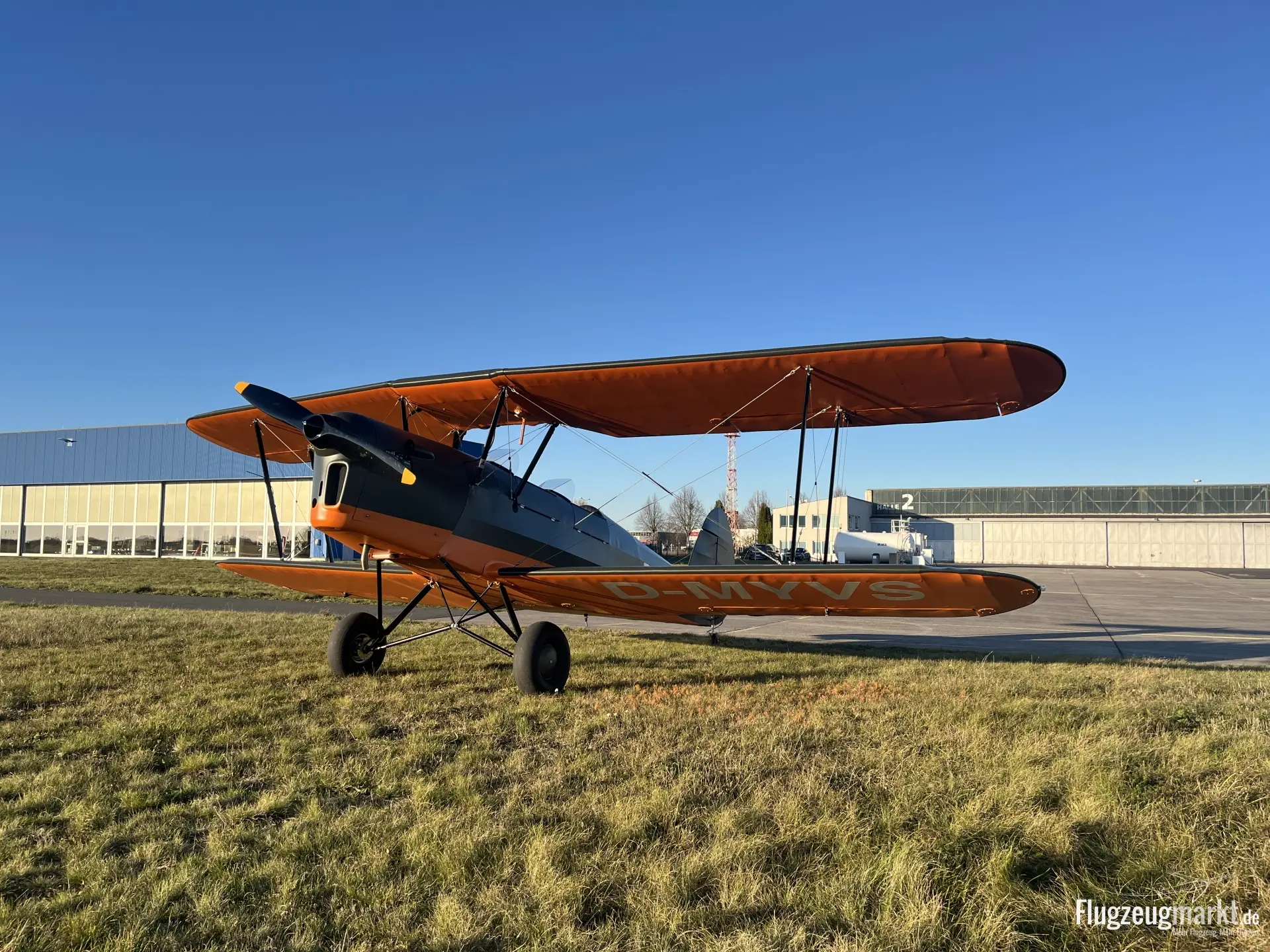
Grilz UL-Flugzeugbau Stampe SV4-RS
€159,000
Magdeburg (DE)
single-engine
Stampe - SV-4 Stampe SV-4
€79,000
single-engine2025 Stampe SV4-RS
€159,000
EDBM
single-engineWhat a SV-4 costs, how far it flies, and what it costs to keep
PlaneFox tracks 6 SV-4 aircraft for sale and re-reads every one of them from the broker and dealer sites it watches, so the figures below move when the market moves. Every number on this page is measured from those live listings, not taken from a published price guide.
How much does a Stampe & Vertongen SV-4 cost?
There are 6 Stampe & Vertongen SV-4 listings on PlaneFox right now, 6 of them priced. They ask between EUR 67,000 and EUR 159,000, with a median of EUR 95,000.
How far can a Stampe & Vertongen SV-4 fly?
A Stampe & Vertongen SV-4 flies about 227 nm, roughly 420 km, which is about 2 h 59 min in still air at typical cruise.
What does a Stampe & Vertongen SV-4 cost to own?
A Stampe & Vertongen SV-4 costs about EUR 2,630 a month to own and fly: EUR 1,930 to run it, plus EUR 700 for a loan over 15 years on the median asking price here, EUR 94,512. Flown 150 hours a year, that is about EUR 204 for every flight hour.
More questions about the SV-4
How much does a SV-4 cost?
What is the price range for a used SV-4?
How many SV-4 aircraft are for sale right now?
Where can I find a SV-4 for sale?
What should I check when buying a used SV-4?
About the Stampe & Vertongen SV-4
Aircraft overview
The Stampe & Vertongen SV-4 is a Belgian two-seat biplane designed by Stampe & Vertongen as a primary trainer and light aerobatic aircraft. The type first flew in 1933 and became best known through postwar production in Belgium and under French licence. It served with military and civil flying schools, and later became a familiar vintage aerobatic and display aircraft. Its importance lies in its combination of conventional tailwheel handling, open-cockpit training layout and forgiving biplane characteristics, which made it a long-lived alternative to heavier warbird trainers.
Performance & specifications
Typical performance depends on variant, engine installation and restoration standard. Many SV-4B aircraft use the de Havilland Gipsy Major inline engine of about 130 hp, while the French-built SV-4C is commonly associated with the Renault 4P engine of about 140 hp. Representative figures are a cruise speed around 80 to 90 knots, range around 225 nautical miles and a service ceiling in the region of 19,000 feet for period specifications. The aircraft has two open cockpits in tandem and a useful load that is modest by modern touring standards, so fuel, crew weight and baggage need to be checked carefully against the individual aircraft’s weight and balance data.
Cabin & avionics
The SV-4 has tandem open cockpits, usually with dual controls, simple windshields and basic flight instruments. It is a hands-on vintage aircraft rather than a cabin touring platform, with limited weather protection and minimal baggage provision. Avionics are normally basic VFR equipment: radio, transponder, intercom and sometimes a portable or panel-mounted GPS. Integrated glass suites such as Garmin Perspective or G1000 are not typical for this type, and buyers should expect aircraft-specific panel layouts shaped by restoration history and national operating requirements.
Buying & value
Prospective buyers should focus on airframe condition, fabric age, wood and metal structural inspections, engine support, propeller status, logbook continuity and compliance with applicable vintage aircraft maintenance regimes. Variant identification matters, especially when comparing SV-4B and SV-4C examples, since engine type, parts availability and paperwork can affect operating costs. Common upgrades include modern radios, transponders, improved harnesses and discreet reliability improvements while retaining period appearance. In the used market, the SV-4 sits as a specialist vintage trainer and aerobatic biplane rather than a practical cross-country aircraft. Current PlaneFox listing data shows an average asking price around EUR 87,000, with observed asking prices from about EUR 76,000 to EUR 159,000, depending heavily on restoration quality, engine condition and documentation.