Daher TBM 850 for Sale
Socata TBM-850
$1,450,000
LFPN, France
turboprop
2010 Daher TBM 850
Contact for Price
London Oxford Airport, United Kingdom
turboprop
2008 Daher TBM-850
Contact for Price
Liège, Belgium (EBLG)
turbopropSocata TBM-850
Contact for Price
LSZC, Switzerland
turboprop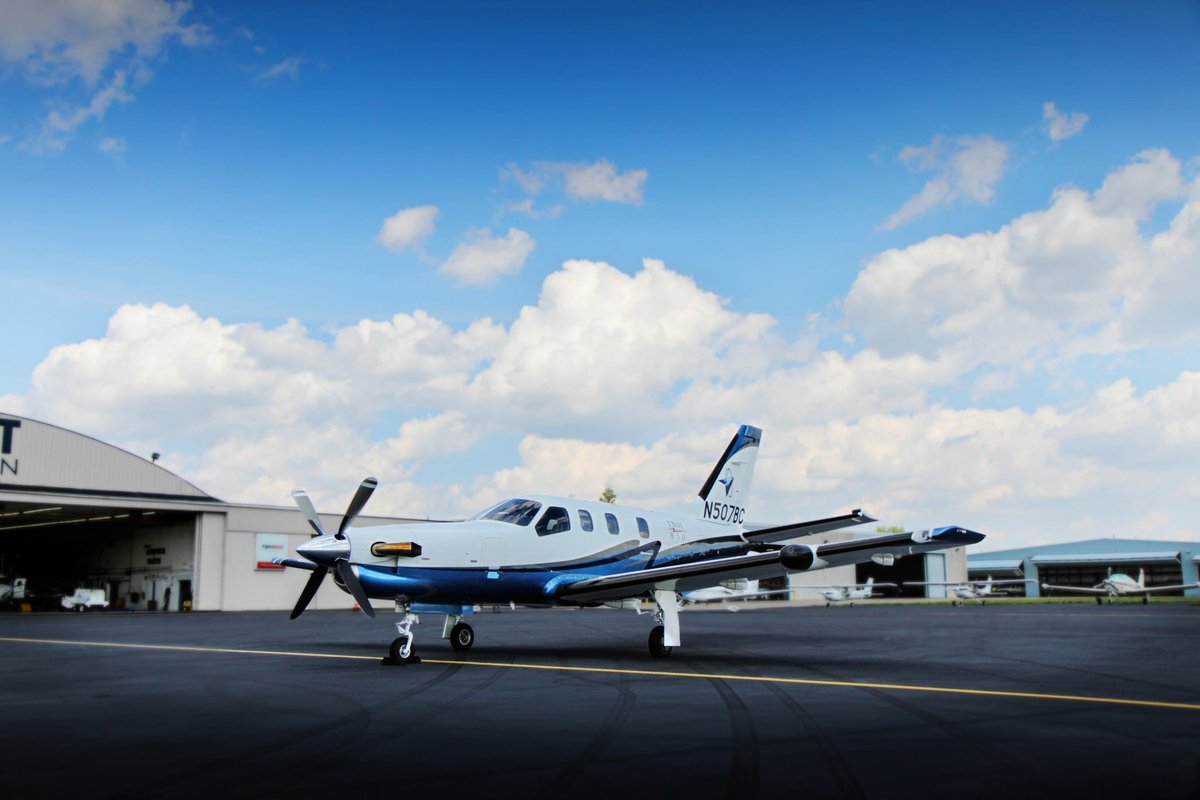
2006 Daher TBM 850
Contact for Price
California, USA
turboprop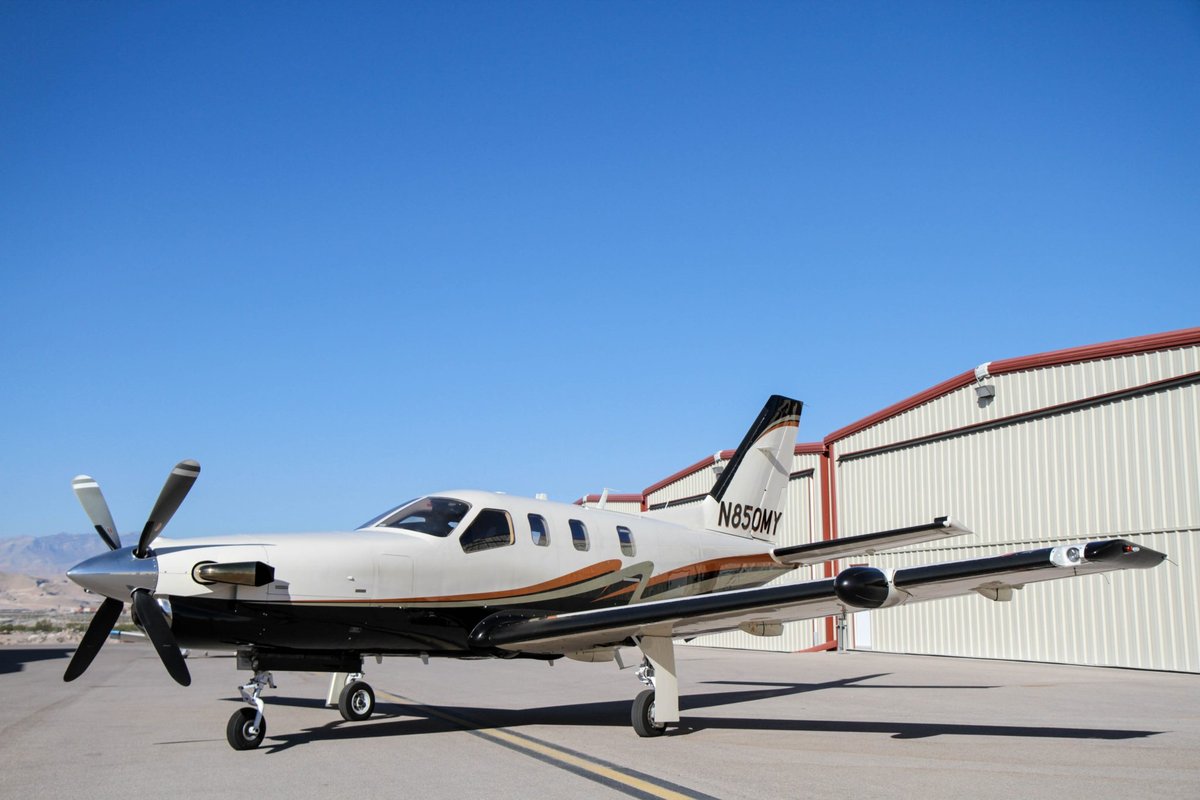
2008 Daher TBM 850
$2,100,000
Las Vegas, NV, United States
turboprop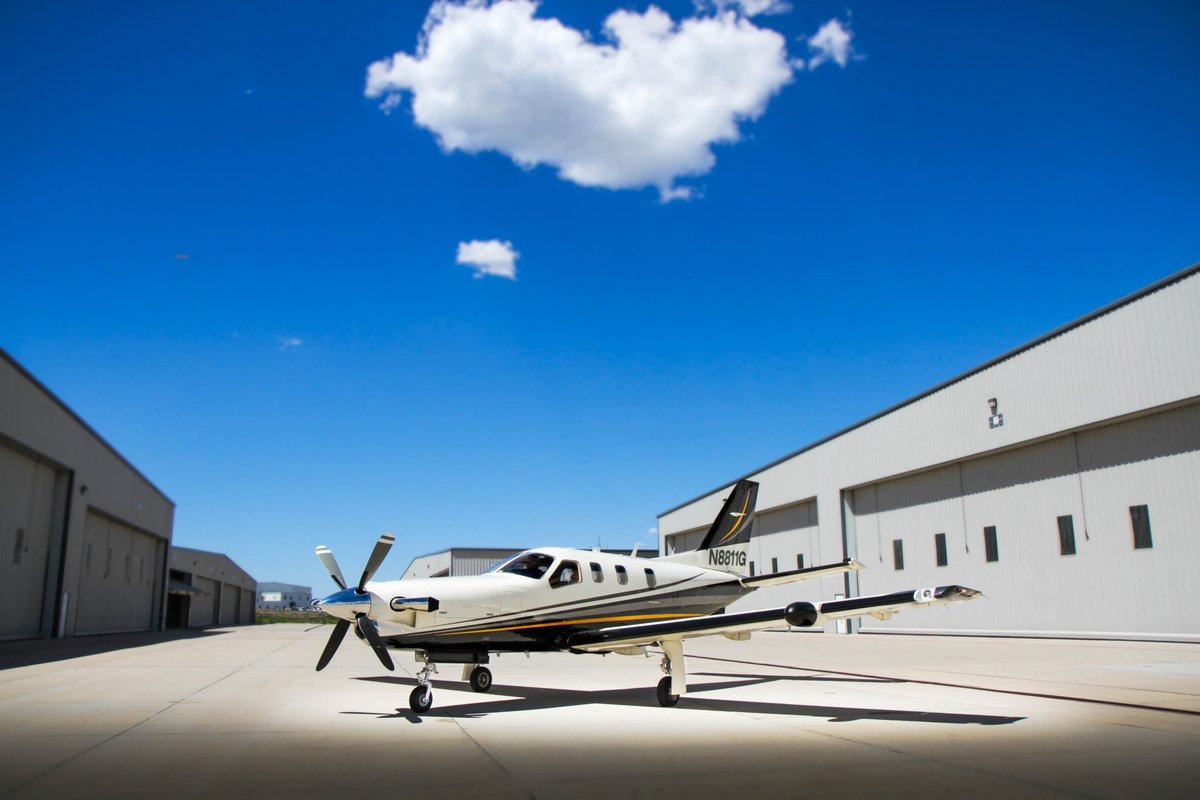
2012 Daher TBM 850
Contact for Price
Denver, CO, United States
turboprop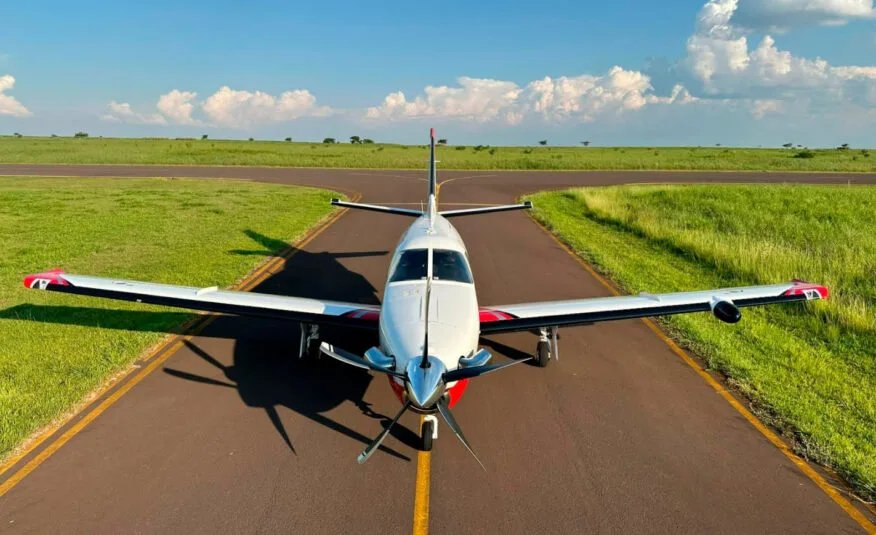
2006 Socata TBM 850
Price on Request
Brazil
turboprop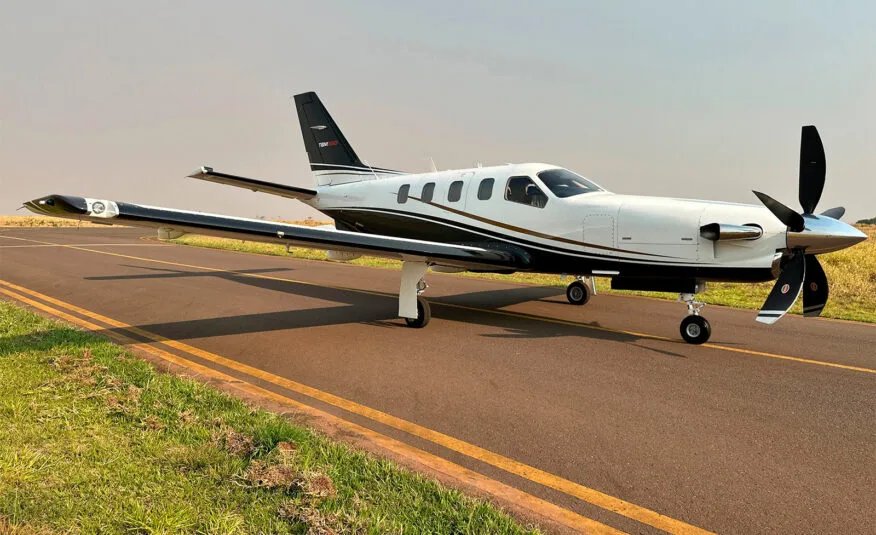
2014 Daher TBM 850
$3,800,000
Brazil
turboprop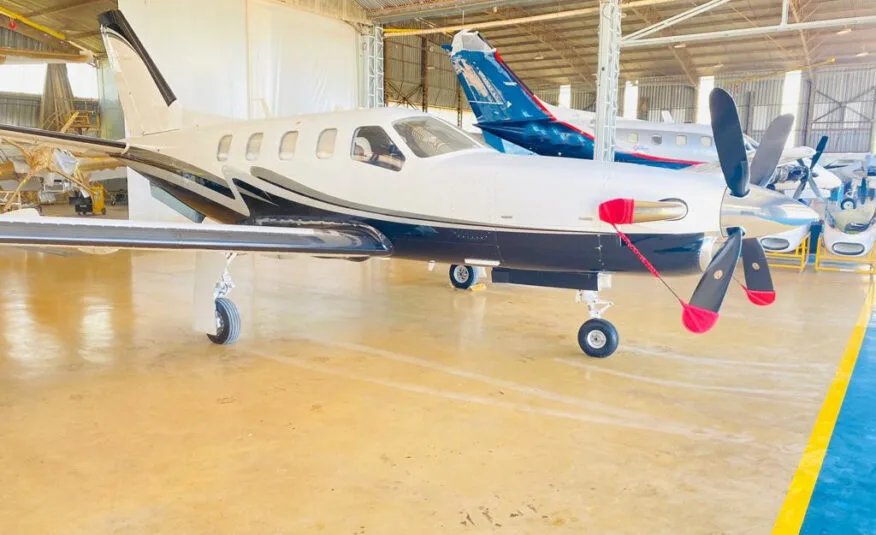
2006 SOCATA TBM 850
Price on Request
Brazil
turboprop2006 SOCATA TBM 850
Contact for Price
Muncie, Indiana
turbopropWhat a Daher TBM 850 costs, how far it flies, and what it costs to keep
PlaneFox tracks 11 Daher TBM 850 aircraft for sale and re-reads every one of them from the broker and dealer sites it watches, so the figures below move when the market moves. Every number on this page is measured from those live listings, not taken from a published price guide.
How far can a Daher TBM 850 fly?
A Daher TBM 850 flies about 1,364 nm, roughly 2,526 km, which is about 4 h 16 min in still air at typical cruise.
What does a Daher TBM 850 cost to own?
A Daher TBM 850 costs about EUR 26,630 a month to run, or about EUR 1,494 for every flight hour when it is flown 150 hours a year.
More questions about the Daher TBM 850
How much does a Daher TBM 850 cost?
What is the price range for a used Daher TBM 850?
How many Daher TBM 850 aircraft are for sale right now?
Where can I find a Daher TBM 850 for sale?
What should I check when buying a used Daher TBM 850?
About the Daher TBM 850
Aircraft overview
The Daher TBM 850 is a pressurized, single-engine turboprop produced from 2006 to 2013 by Socata, later Daher-Socata, as an evolution of the TBM 700 family. It was developed for owner-pilots and corporate operators seeking jet-like high-altitude cruise performance with turboprop operating characteristics. The model matters in the used market because it brought the 850-shp Pratt & Whitney Canada engine installation to the TBM line while retaining the basic airframe size and operating profile that made earlier TBMs practical personal and business aircraft.
Performance & specifications
The TBM 850 is powered by a Pratt & Whitney Canada PT6A-66D turboprop driving a five-blade Hartzell propeller on later aircraft, with earlier examples commonly seen with four-blade installations or retrofit upgrades. The engine is rated at 850 shp for cruise use, with takeoff power limited to 700 shp. Typical maximum cruise speed is about 320 knots, with long-range capability commonly quoted around 1,400 nautical miles depending on payload, reserves, altitude, and power setting. Maximum certified altitude is 31,000 feet. Maximum takeoff weight is 7,394 pounds, and useful load is typically in the high-2,000-pound range, varying by equipment and interior configuration.
Cabin & avionics
The cabin is normally arranged for up to six occupants including the pilot, with club-style passenger seating in the rear cabin. It is pressurized, relatively narrow compared with light jets, and designed around efficient point-to-point travel rather than stand-up cabin comfort. Early TBM 850 aircraft used conventional avionics packages based around EFIS and Garmin navigation equipment, while later aircraft adopted the Garmin G1000 integrated flight deck with GFC 700 autopilot. Common equipment includes weather radar, terrain and traffic awareness, and de-icing systems suitable for serious IFR operations when maintained correctly.
Buying & value
Buyers comparing used TBM 850 aircraft should distinguish early non-G1000 examples from later G1000-equipped aircraft, as avionics configuration has a meaningful effect on value, training, and upgrade paths. Important inspection points include PT6 hot-section and overhaul status, propeller time, landing-gear maintenance, pressurization health, de-ice boot condition, oxygen system status, logbook continuity, and any damage history. Popular upgrades include WAAS, ADS-B compliance, synthetic vision, interior refurbishment, and propeller updates. In market positioning, the TBM 850 generally sits above the TBM 700 for speed and capability, and below the TBM 900-series for aerodynamic refinements, cockpit updates, and later production age.