Diamond HK36 Super Dimona / H36 Dimona for Sale
Diamond HK36 Super Dimona TTC
€140,000
Wiener Neustadt, Austria
gliderHoffmann H-36 Dimona
€27,000
LEIG (Barcelona), Spain
gliderDiamond HK36 Super Dimona
€78,000
Ithwiesen (EDVT), Germany
gliderDiamond HK36 Super Dimona R
$99,000
KDVO, US California
glider
Dimona HK36R
$75,050
Switzerland, Bleienbach, LSPL
gliderDiamond HK36 Super Dimona TTC
€110,000
EDNQ, Germany
gliderDiamond HK36 Super Dimona TTC
€140,000
LOXN, Austria
gliderDiamond HK36 Super Dimona R
€95,000
Norddeutschland, Germany
gliderDiamond HK36 Super Dimona aerotow
€210,000
Fagernes, Norway
gliderDiamond HK36 Super Dimona
€168,000
Ober Mörlen, Germany
glider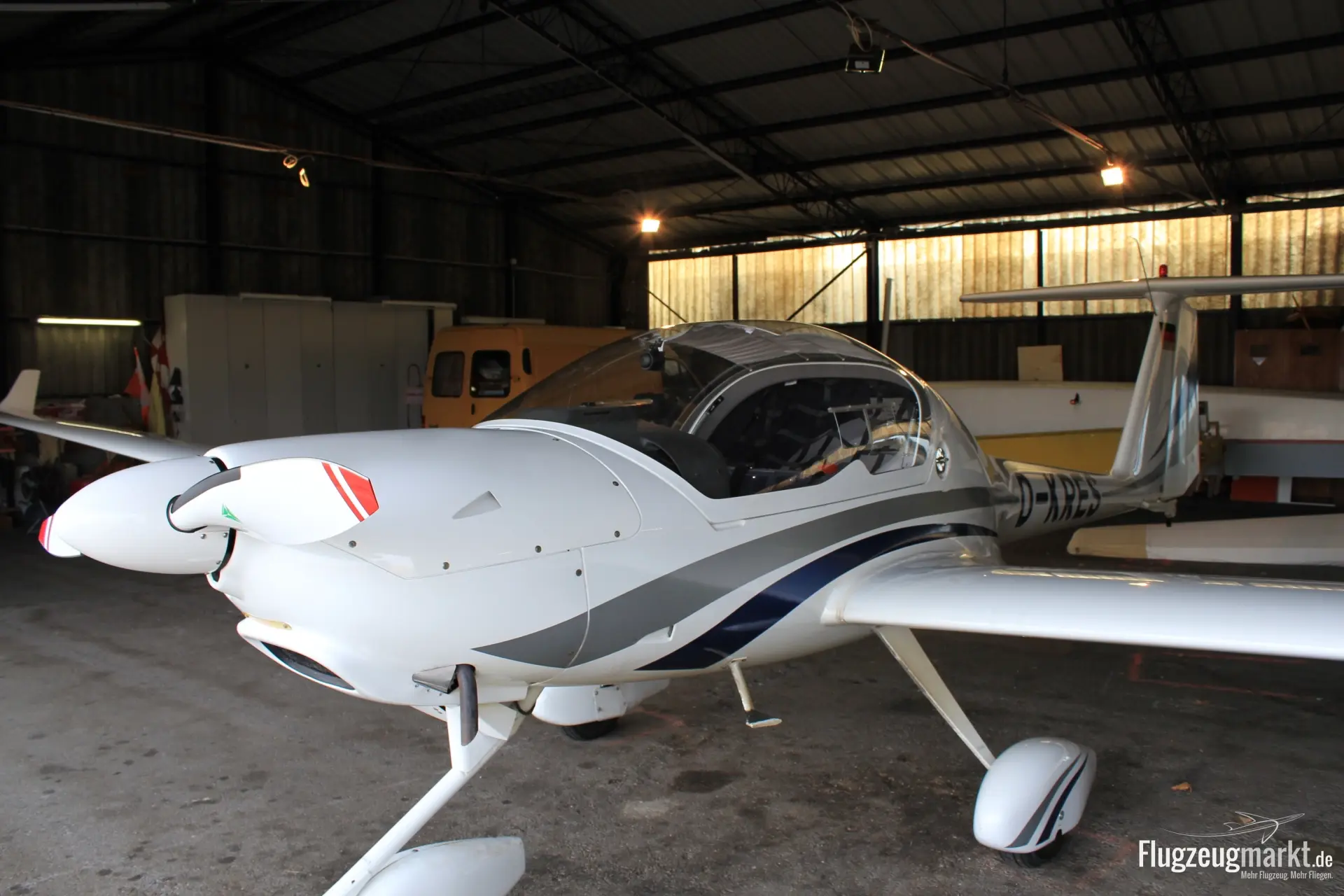
Diamond Aircraft HK36-TTC
€140,000
Wiener Neustadt (AT)
glider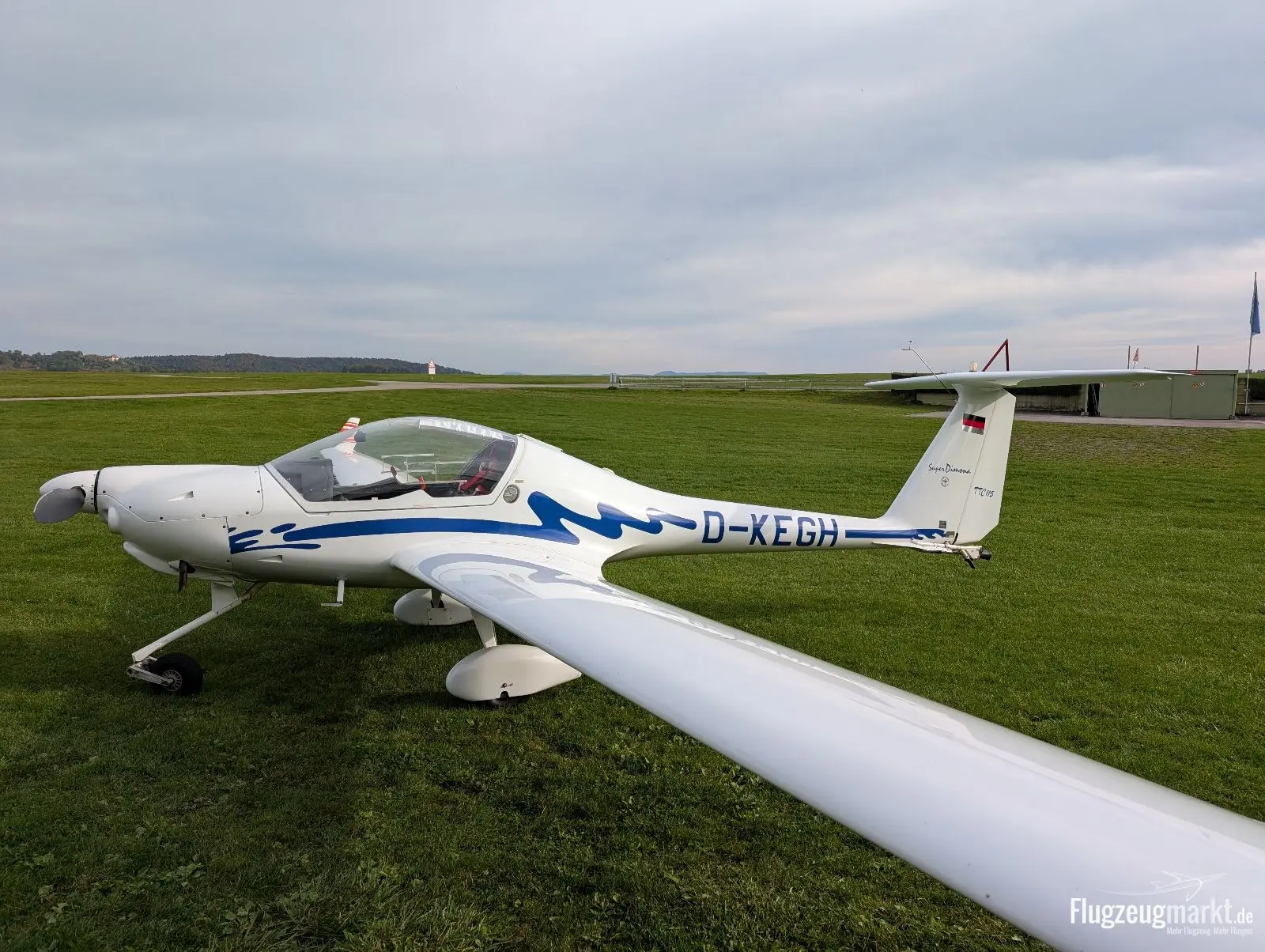
Diamond Aircraft HK36-TTC
€109,000
Poltringen (DE)
glider
Diamond HK36 Super Dimona
€155,000
Ummern, Germany
glider1984 Diamond Aircraft H36
€43,000
Walldürn, Deutschland
gliderWhat a Diamond HK36 Super Dimona / H36 Dimona costs, how far it flies, and what it costs to keep
PlaneFox tracks 14 Diamond HK36 Super Dimona / H36 Dimona aircraft for sale and re-reads every one of them from the broker and dealer sites it watches, so the figures below move when the market moves. Every number on this page is measured from those live listings, not taken from a published price guide.
How much does a Diamond HK36 Super Dimona / H36 Dimona cost?
There are 14 Diamond HK36 Super Dimona / H36 Dimona listings on PlaneFox right now, 14 of them priced. They ask between EUR 27,000 and EUR 210,000, with a median of EUR 110,000.
What does a Diamond HK36 Super Dimona / H36 Dimona cost to own?
A Diamond HK36 Super Dimona / H36 Dimona costs about EUR 1,804 a month to own and fly: EUR 993 to run it, plus EUR 811 for a loan over 15 years on the median asking price here, EUR 109,500. Flown 150 hours a year, that is about EUR 138 for every flight hour.
More questions about the Diamond HK36 Super Dimona / H36 Dimona
How much does a Diamond HK36 Super Dimona / H36 Dimona cost?
What is the price range for a used Diamond HK36 Super Dimona / H36 Dimona?
How many Diamond HK36 Super Dimona / H36 Dimona aircraft are for sale right now?
Where can I find a Diamond HK36 Super Dimona / H36 Dimona for sale?
What should I check when buying a used Diamond HK36 Super Dimona / H36 Dimona?
How do Diamond HK36 Super Dimona / H36 Dimona prices change with year of manufacture?
About the Diamond HK36 Super Dimona / H36 Dimona
Aircraft overview
The Diamond HK36 Super Dimona / H36 Dimona is a two-seat touring motor glider from the Austrian Diamond lineage, originally developed by Hoffmann Flugzeugbau before the company evolved into HOAC and later Diamond Aircraft. The H36 Dimona first flew in 1980, while the HK36 Super Dimona followed as an improved composite version in the late 1980s. It is not a light sport aircraft or a conventional trainer in the DA20 sense, but a self-launching touring motor glider intended for efficient cross-country flying, soaring, instruction and observation work.
Performance & specifications
Performance varies by engine, propeller and certification standard, but the Diamond HK36 Super Dimona / H36 Dimona is generally operated as an economical VFR aircraft rather than a fast traveler. Typical cruise figures are around 85 to 100 knots, with range commonly quoted in the 400 nautical mile class when operated as a powered aircraft. Service ceiling is typically around 13,000 to 16,000 feet depending on variant. Useful load is modest and must be checked aircraft by aircraft, especially where avionics, ballistic recovery systems or mission equipment have been added. Powerplants include Limbach engines on early H36 aircraft and Rotax 912 series engines on many HK36 Super Dimona variants, usually in the 80 to 100 hp range.
Cabin & avionics
The cockpit has two seats side by side under a large canopy, giving excellent visibility for soaring, touring and aerial observation. Cabin width and baggage capacity are limited compared with conventional two-seat touring aircraft, so buyer expectations should match the motor glider role. Most examples have traditional VFR instrumentation, engine gauges, a radio, transponder and soaring instruments such as a variometer. Later or upgraded aircraft may have panel-mounted GPS, Mode S transponders, FLARM, modern com radios or compact glass displays. Factory Garmin G1000 or Garmin Perspective style integrated avionics are not typical for this model.
Buying & value
Used-market value depends heavily on variant, engine time, propeller type, maintenance history, glider-category compliance and avionics. Buyers should review composite airframe condition, canopy condition, landing gear, control system rigging, wing and tail repairs, engine installation details and whether the aircraft has complete logbooks and current airworthiness documentation. Common variants include the H36 Dimona, HK36 R, HK36 TC and HK36 TTC, with differences in engine, certification and performance. Current PlaneFox listing data shows an average asking price of about EUR 112,000, with examples ranging from roughly EUR 27,000 to EUR 210,000. Lower-priced aircraft are often older or project-grade, while top-market examples usually have stronger engines, newer avionics and cleaner maintenance histories.