What a Kestrel H-401 costs, how far it flies, and what it costs to keep
PlaneFox tracks 1 Kestrel H-401 aircraft for sale and re-reads every one of them from the broker and dealer sites it watches, so the figures below move when the market moves. Every number on this page is measured from those live listings, not taken from a published price guide.
What does a Glasfluegel Kestrel H-401 cost to own?
A Glasfluegel Kestrel H-401 costs about EUR 442 a month to run, or about EUR 35 for every flight hour when it is flown 150 hours a year.
More questions about the Kestrel H-401
How much does a Kestrel H-401 cost?
What is the price range for a used Kestrel H-401?
How many Kestrel H-401 aircraft are for sale right now?
Where can I find a Kestrel H-401 for sale?
What should I check when buying a used Kestrel H-401?
About the Glasfluegel Kestrel H-401
Aircraft overview
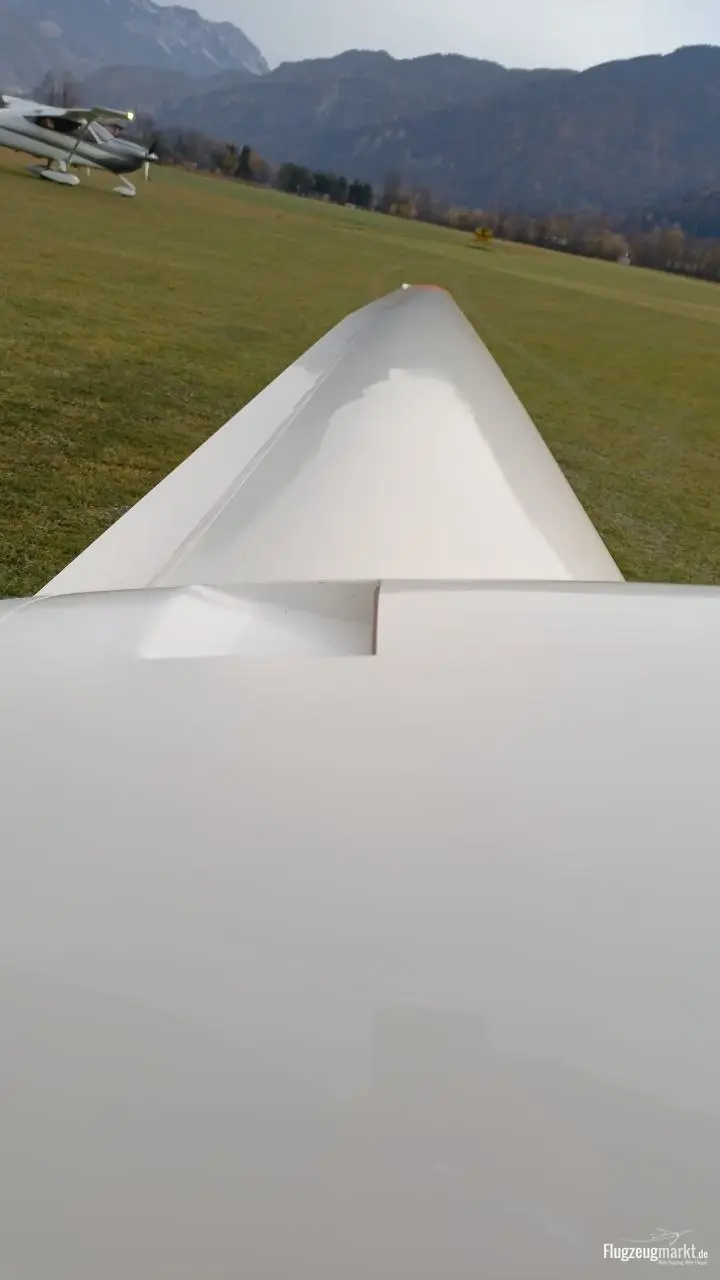
The Glasfluegel Kestrel H-401 is a single-seat, high-performance sailplane built by Glasflügel in West Germany. It first flew in 1968 and was produced in limited numbers into the early 1970s. Conceived for the Open Class era but built around a 17 m wing, the Kestrel H-401 combined fiberglass construction, retractable landing gear and water ballast capability at a time when composite gliders were rapidly replacing wood and metal designs. Its importance lies in its place among the early advanced glass-fiber competition sailplanes, offering strong cross-country capability in a relatively clean, efficient airframe.
Performance & specifications
The Kestrel H-401 is unpowered, so range and ceiling are determined by soaring conditions rather than fuel capacity or engine output. Published figures for the type typically cite a wingspan of 55.8 feet, or 17 m, and a best glide ratio of about 44:1. Maximum permitted speed is commonly listed at about 135 knots, while practical cruise speed varies with weather, ballast and pilot technique. Maximum all-up weight is about 1,000 lb, with useful load depending on equipment fit, pilot weight and ballast carried. There is no powerplant. Buyers should treat performance claims in individual listings carefully, since instrument calibration, surface condition and ballast system condition can materially affect real-world results.
Cabin & avionics
The cockpit is a single-seat glider layout with a reclined pilot position, a clear canopy and compact instrument panel. Original equipment would have been conventional soaring instrumentation: airspeed indicator, altimeter, variometer, compass and basic electrical items where fitted. Used examples today often have upgraded avionics such as a modern electronic variometer, flight computer, GPS logger, VHF radio, FLARM-compatible traffic equipment and sometimes a lightweight transponder. Integrated aircraft systems such as Garmin Perspective or G1000 are not typical or appropriate for this aircraft category.
Buying & value
On the used market, the Glasfluegel Kestrel H-401 is a specialist classic composite sailplane rather than a mainstream club trainer. Condition, documentation and trailer quality strongly influence value. Pre-purchase review should focus on fiberglass structure, spar and root fittings, control linkages, retractable gear, brake system, canopy condition, gelcoat cracking, water ballast plumbing and compliance with applicable maintenance instructions. Common improvements include updated soaring avionics, modern batteries, oxygen equipment for high-altitude flying, refined total-energy compensation and trailer refurbishment. Buyers should distinguish the H-401 from later or related Kestrel-named gliders, since handling, structure and parts support are model-specific.