MBB / Bolkow Bolkow Bo 207 / 208 Junior for Sale
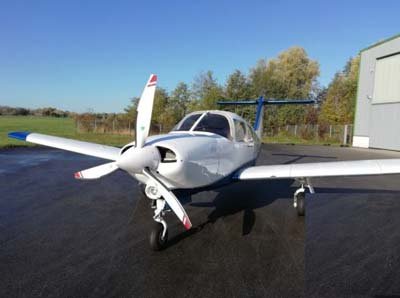
What a Bolkow Bo 207 / 208 Junior costs, how far it flies, and what it costs to keep
PlaneFox tracks 4 Bolkow Bo 207 / 208 Junior aircraft for sale and re-reads every one of them from the broker and dealer sites it watches, so the figures below move when the market moves. Every number on this page is measured from those live listings, not taken from a published price guide.
How far can a MBB / Bolkow Bolkow Bo 207 / 208 Junior fly?
A MBB / Bolkow Bolkow Bo 207 / 208 Junior flies about 675 nm, roughly 1,250 km, which is about 5 h 19 min in still air at typical cruise.
What does a MBB / Bolkow Bolkow Bo 207 / 208 Junior cost to own?
A MBB / Bolkow Bolkow Bo 207 / 208 Junior costs about EUR 1,573 a month to run, or about EUR 163 for every flight hour when it is flown 150 hours a year.
More questions about the Bolkow Bo 207 / 208 Junior
How much does a Bolkow Bo 207 / 208 Junior cost?
What is the price range for a used Bolkow Bo 207 / 208 Junior?
How many Bolkow Bo 207 / 208 Junior aircraft are for sale right now?
Where can I find a Bolkow Bo 207 / 208 Junior for sale?
What should I check when buying a used Bolkow Bo 207 / 208 Junior?
About the MBB / Bolkow Bolkow Bo 207 / 208 Junior
Aircraft overview
The MBB / Bolkow Bolkow Bo 207 / 208 Junior grouping covers two related 1960s Bölkow light aircraft, but buyers should treat them as distinct types. The Bo 207 was a four-seat development of the Klemm Kl 107 line, first flown in 1960 and produced in limited numbers in the first half of the 1960s. The Bo 208 Junior was Bölkow’s German-built version of the Malmö MFI-9 Junior, a compact two-seat sport and training aircraft derived from Björn Andreasson’s Swedish design, which first flew in 1958. Both are all-metal, low-wing piston singles from an important period in postwar German general aviation.
Performance & specifications
Published figures vary by airframe, engine fit and certification basis. A typical Bo 207 is associated with a Lycoming O-320 series engine of about 150 hp, cruise speeds in the region of 105 to 115 knots, range around 450 nautical miles, a useful load commonly around 750 to 850 lb and a service ceiling near 13,000 feet. The lighter Bo 208 Junior typically uses a Continental O-200 of 100 hp, with cruise speeds around 95 to 105 knots, range around 400 nautical miles, useful load roughly 450 to 500 lb and a ceiling also in the low 13,000 foot range. Both are simple fixed-gear aircraft, valued more for economical flying than payload or high speed.
Cabin & avionics
The Bo 207 offers four seats in a conventional light-aircraft cabin, making it the more practical touring option. The Bo 208 Junior is a two-seat aircraft with a smaller cockpit, generally better suited to local flying, training and private sport use. Factory avionics were period analog equipment, not integrated glass suites such as Garmin Perspective or G1000. Current examples may have upgraded VHF radios, 8.33 kHz spacing, Mode S transponders, portable GPS, engine monitors or compact modern instruments such as Garmin G5 or GI 275 units, depending on local approval.
Buying & value
Condition, documentation and parts access matter more than headline equipment. Buyers should review airframe corrosion history, control system condition, landing gear attachments, canopy and window condition, engine time, propeller status and the completeness of German or national type records. The Bo 207 sits as a niche vintage four-seat tourer, while the Bo 208 Junior is usually positioned as a distinctive, low operating cost two-seat classic. Values are influenced heavily by airworthiness status, avionics compliance and the availability of type-experienced maintenance support.