PZL-104 Wilga for Sale

1993 PZL PZL-104 Wilga 80
£40,000
United Kingdom
single-engine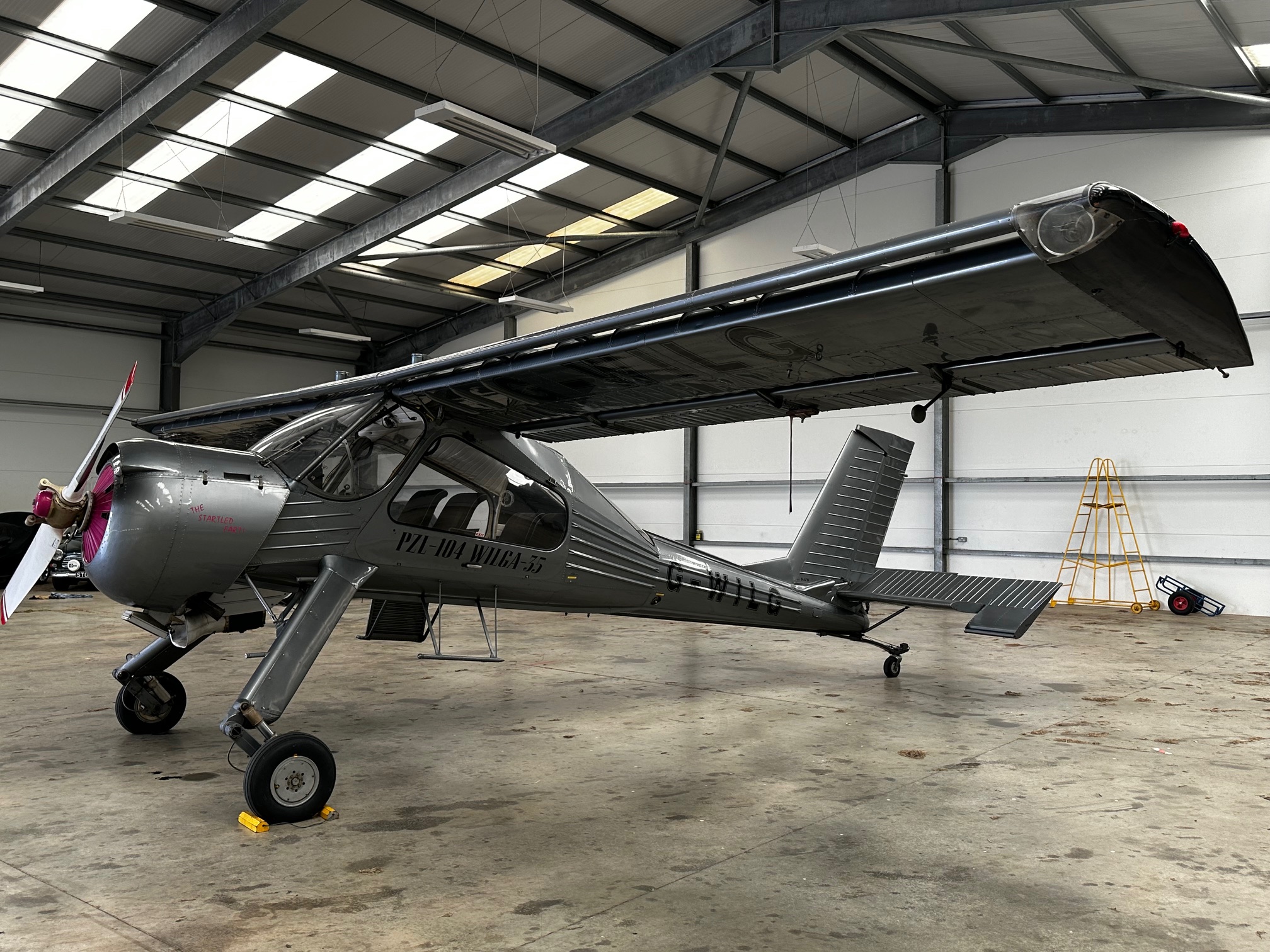
1972 PZL-Okecie 104 Wilga 35
£29,995
White Waltham Airfield, UK
single-engine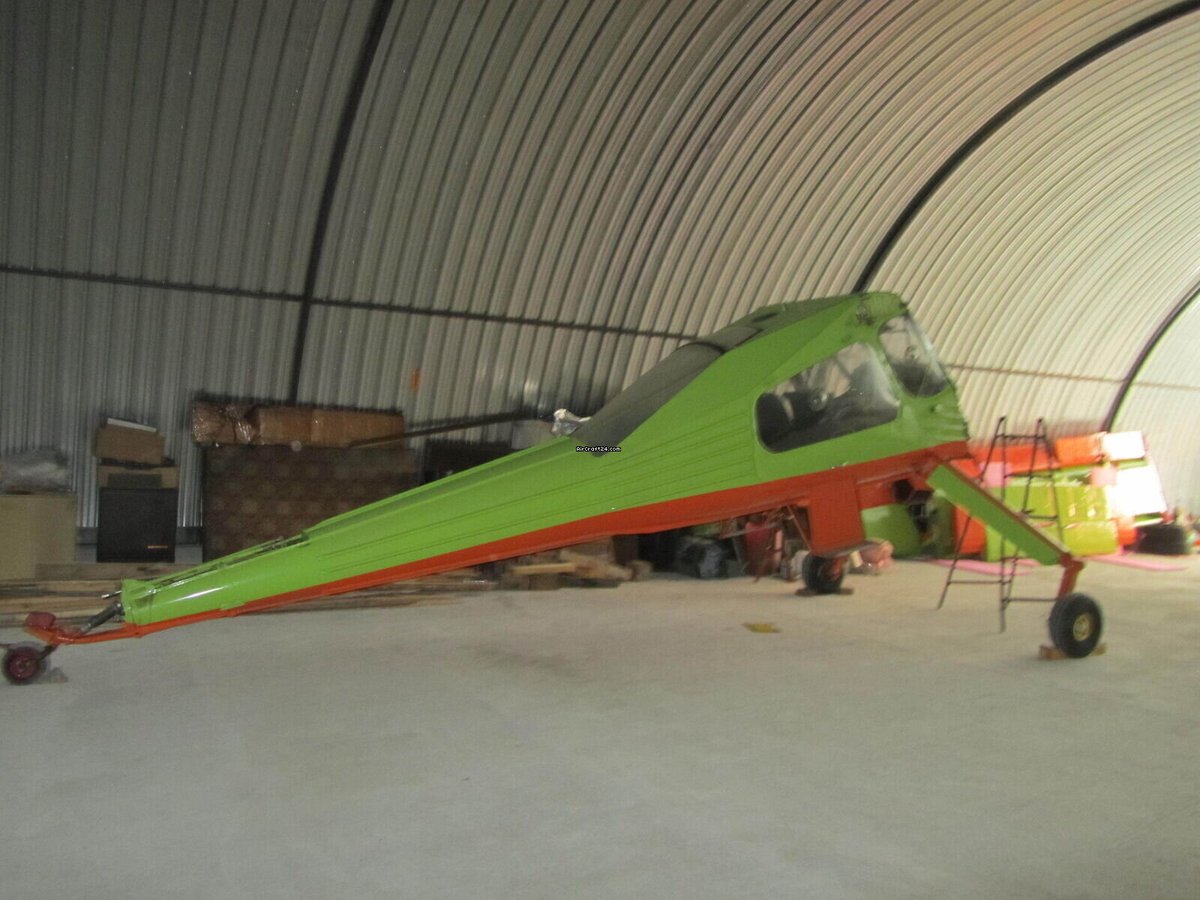
Pzl 104Wilga35
Contact for Price
Bulgaria, Orlyak, 9490
single-engine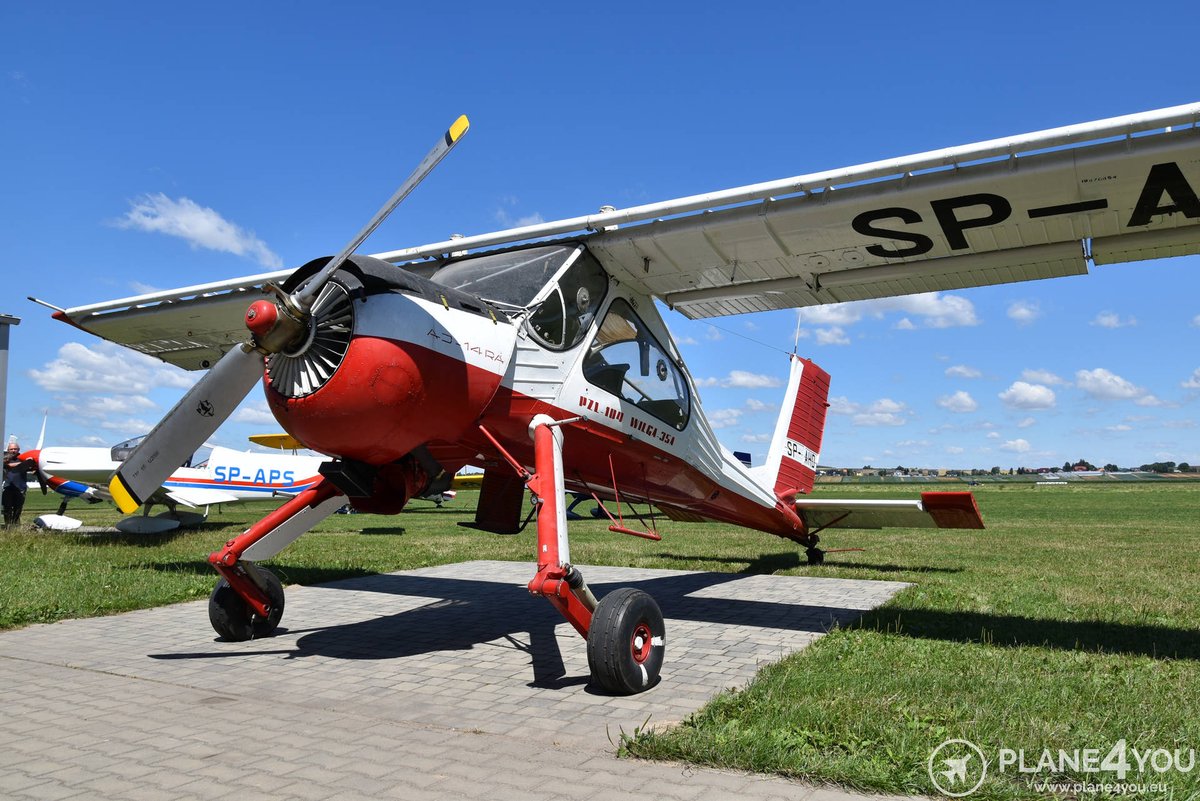
1987 PZL 104 Wilga 35A
Price on Request
Poland
single-engine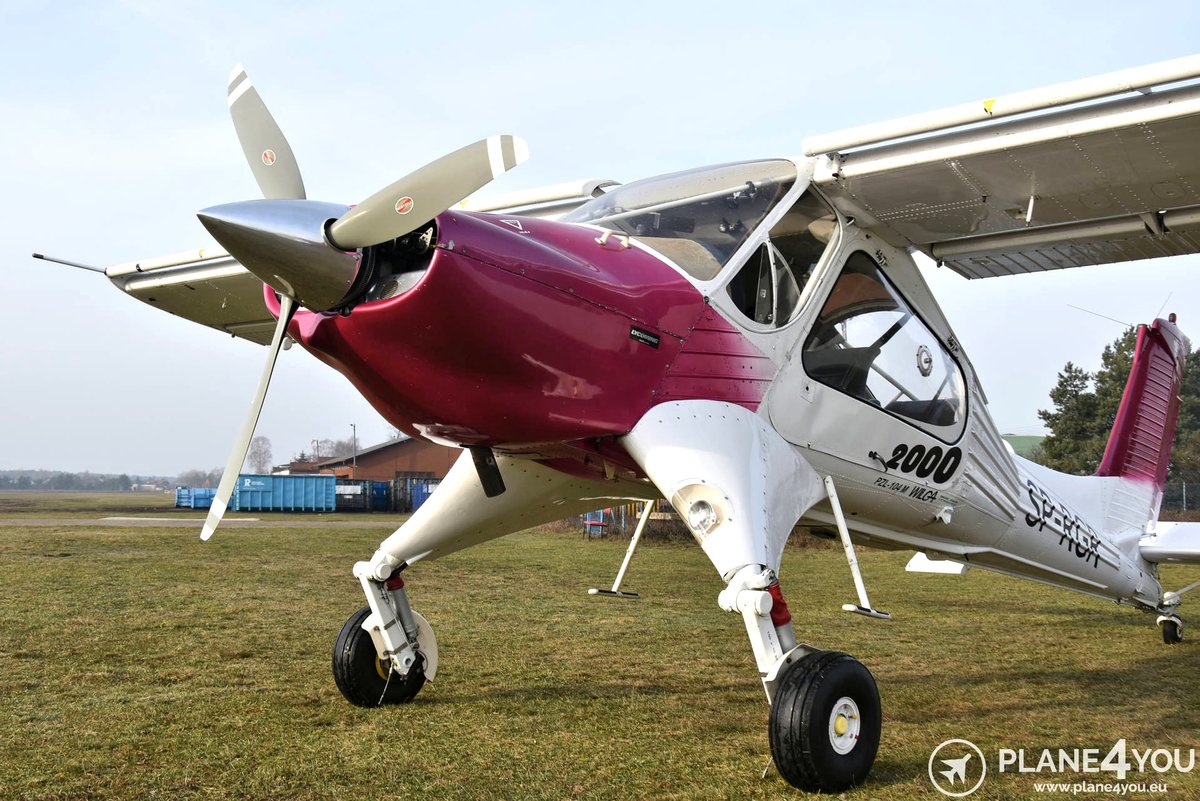
1996 PZL 104M Wilga 2000
$130,000
Poland
single-engine2001 PZL PZL-104-M
Contact for Price
Courtenay
single-engineWhat a PZL-104 Wilga costs, how far it flies, and what it costs to keep
PlaneFox tracks 6 PZL-104 Wilga aircraft for sale and re-reads every one of them from the broker and dealer sites it watches, so the figures below move when the market moves. Every number on this page is measured from those live listings, not taken from a published price guide.
How far can a PZL-104 Wilga fly?
A PZL-104 Wilga flies about 367 nm, roughly 680 km, which is about 3 h 17 min in still air at typical cruise.
What does a PZL-104 Wilga cost to own?
A PZL-104 Wilga costs about EUR 2,455 a month to run, or about EUR 267 for every flight hour when it is flown 150 hours a year.
More questions about the PZL-104 Wilga
How much does a PZL-104 Wilga cost?
What is the price range for a used PZL-104 Wilga?
How many PZL-104 Wilga aircraft are for sale right now?
Where can I find a PZL-104 Wilga for sale?
What should I check when buying a used PZL-104 Wilga?
About the PZL-104 Wilga
Aircraft overview
The PZL-104 Wilga is a Polish four seat utility aircraft developed by WSK PZL Warszawa Okęcie for short takeoff and landing work, liaison flying, glider towing, parachute operations and agricultural or observation duties. The type first flew in 1962, with major production versions following from the mid 1960s and continuing in various forms for several decades. Its importance in the used market comes from its highly specialized STOL design: fixed leading edge slats, large flaps, rugged fixed landing gear and excellent low speed handling for operation from short, rough or improvised strips.
Performance & specifications
Typical figures vary by version, engine and equipment, but the common PZL-104 Wilga 35 and related models cruise at about 90 to 100 knots. Practical range is commonly around 350 nautical miles, depending on fuel fit and reserve policy. Useful load is often in the 800 to 1,000 lb class, with configuration and empty weight making a significant difference. Service ceiling is generally quoted around 13,000 feet. Most widely seen examples use the 260 hp Ivchenko AI-14RA nine cylinder radial engine driving a constant speed propeller. The aircraft is valued less for cruise efficiency than for field performance, climb, visibility and controllability at low speeds.
Cabin & avionics
The cabin normally seats four, with two front seats and a rear bench or mission adapted rear area. Large windows, a high wing and a relatively upright seating position give good outward visibility, useful for observation, glider towing and backcountry flying. Cabin finish is utilitarian, with noise, vibration and ventilation more typical of a working aircraft than a touring single. Avionics are usually conventional analog instruments with VHF radio, transponder and basic navigation equipment. Many aircraft have been updated with modern comms, Mode S or ADS-B equipment, portable or panel mounted GPS units and engine monitoring. Factory integrated suites such as Garmin Perspective or G1000 are not characteristic of the PZL-104 Wilga.
Buying & value
Prospective buyers should focus on airframe condition, corrosion protection, fabric and control surface condition, landing gear attachment areas, engine health, propeller status and documentation quality. The AI-14RA radial is central to ownership planning, so parts access, overhaul history and specialist maintenance knowledge matter. Common market references include the Wilga 35, Wilga 80 and locally modified aircraft, some with western radios, towing equipment, skis, tundra tires or interior changes. Values usually sit in a niche between classic utility aircraft and specialized STOL machines: demand is strongest from buyers who specifically need rough field capability, glider towing performance or distinctive radial powered utility flying rather than fast point to point travel.