PZL Koliber for Sale

What a PZL Koliber costs, how far it flies, and what it costs to keep
PlaneFox tracks 3 PZL Koliber aircraft for sale and re-reads every one of them from the broker and dealer sites it watches, so the figures below move when the market moves. Every number on this page is measured from those live listings, not taken from a published price guide.
How far can a PZL Koliber fly?
A PZL Koliber flies about 367 nm, roughly 680 km, which is about 3 h 47 min in still air at typical cruise.
What does a PZL Koliber cost to own?
A PZL Koliber costs about EUR 1,830 a month to run, or about EUR 192 for every flight hour when it is flown 150 hours a year.
More questions about the PZL Koliber
How much does a PZL Koliber cost?
What is the price range for a used PZL Koliber?
How many PZL Koliber aircraft are for sale right now?
Where can I find a PZL Koliber for sale?
What should I check when buying a used PZL Koliber?
About the PZL Koliber
Aircraft overview
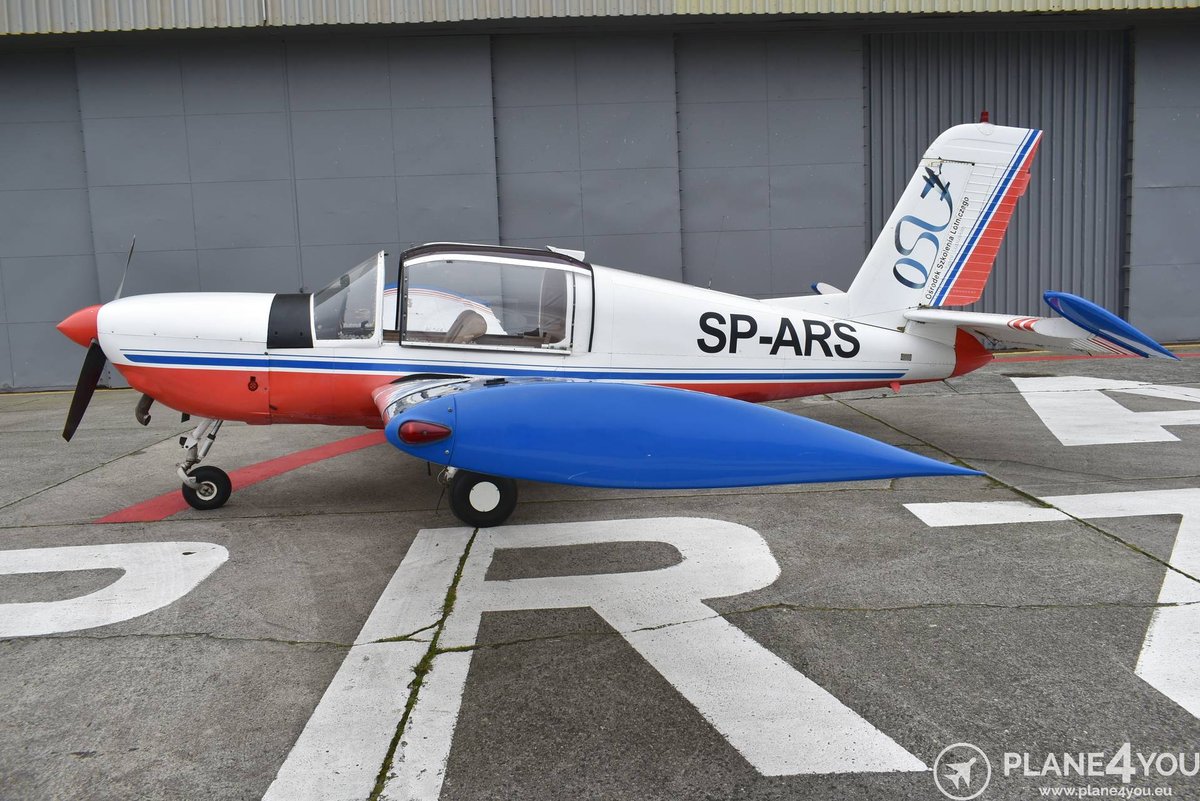
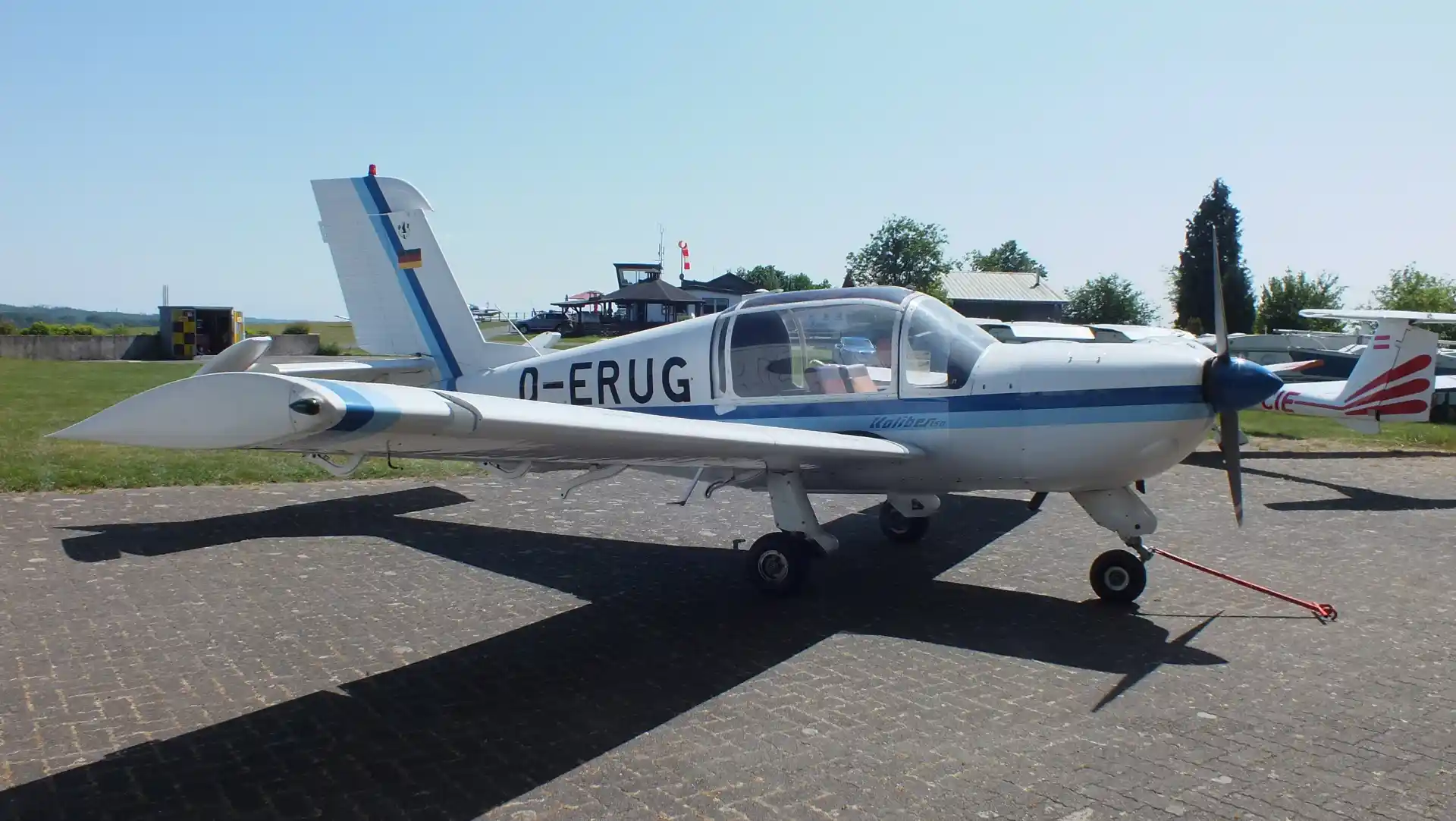
The PZL Koliber, formally the PZL-110 Koliber, is a Polish light aircraft built by PZL Warszawa-Okęcie. It is closely related to the SOCATA Rallye family, but it should be evaluated as its own production model with Polish manufacturing, documentation and variant history. The type first flew in the late 1970s and entered production in the 1980s, serving mainly as a primary trainer, touring aircraft and club aircraft.
Its significance comes from a practical combination of simple construction, forgiving low-speed handling and short-field capability. Like the Rallye designs that influenced it, the PZL Koliber uses fixed tricycle landing gear and automatic leading-edge slats, features that made it attractive for flight schools and aeroclubs operating from modest runways.
Performance & specifications
Typical PZL Koliber performance depends strongly on variant, engine and propeller installation. Later Koliber 150 and Koliber 160 aircraft are generally associated with Lycoming O-320 series four-cylinder engines, commonly rated at 150 hp or 160 hp. Earlier aircraft used lower-powered engines, including Franklin installations, which can have different support considerations.
- Cruise speed: commonly around 100 to 110 knots for Lycoming-powered examples.
- Range: typically in the region of 430 to 500 nautical miles, depending on fuel, power setting and reserves.
- Useful load: varies by individual aircraft, equipment and empty weight, so logbook and weight-and-balance data matter more than brochure figures.
- Service ceiling: published figures for later variants are commonly around 13,000 feet.
- Configuration: single-engine piston, fixed tricycle gear, high-lift wing with automatic slats.
Cabin & avionics
The PZL Koliber has a compact light-aircraft cabin with side-by-side front seating and provision for rear occupants on many examples. In practical use, it is often treated as a two to three person trainer or tourer when fuel, baggage and density altitude are considered. Visibility is good for circuit work and instruction, while cabin finish and noise levels reflect its 1980s training-aircraft origins.
Factory avionics were conventional analog instruments and basic navigation and communication radios. Used aircraft may have very different panels today, from original VFR layouts to upgraded Garmin, BendixKing or Trig equipment, including modern comm radios, transponders, ADS-B solutions, GPS navigators and electronic attitude indicators. Garmin Perspective and G1000 suites are not typical PZL Koliber installations.
Buying & value
Prospective buyers should focus on airframe condition, corrosion inspection history, completeness of Polish and local maintenance records, landing gear condition, control rigging, slat operation and compliance with applicable service bulletins and airworthiness directives. Engine choice is a major value factor. Lycoming-powered Koliber 150 and Koliber 160 aircraft are generally easier to support than early Franklin-powered examples.
Common value drivers include avionics modernization, engine time, propeller status, paint and interior condition, documentation quality and whether the aircraft has been used intensively for training. In the used market, the PZL Koliber usually sits as an affordable alternative to better-known two to four seat trainers, appealing to buyers who prioritize simple systems, benign handling and short-field manners over speed or cabin space.