Vulcanair P68 for Sale
Vulcanair P-68 C
on request
EKRK, Denmark
multi-engine
1980 Partenavia P.68C-TC
€190,000
Biella, Italy
multi-engineVulcanair P-68 Observer OTC
on request
LFLB, France
multi-enginePartenavia P-68 C
€250,000
Dzaoudi - DZA - FMCZ, Madagascar
multi-engineVulcanair P-68 B
Contact for Price
multi-engineVulcanair P-68 C cam hatch
€460,000
LSXX, Switzerland
multi-engineVulcanair P.68 Observer 2
Contact for Price
Mayotte
multi-engine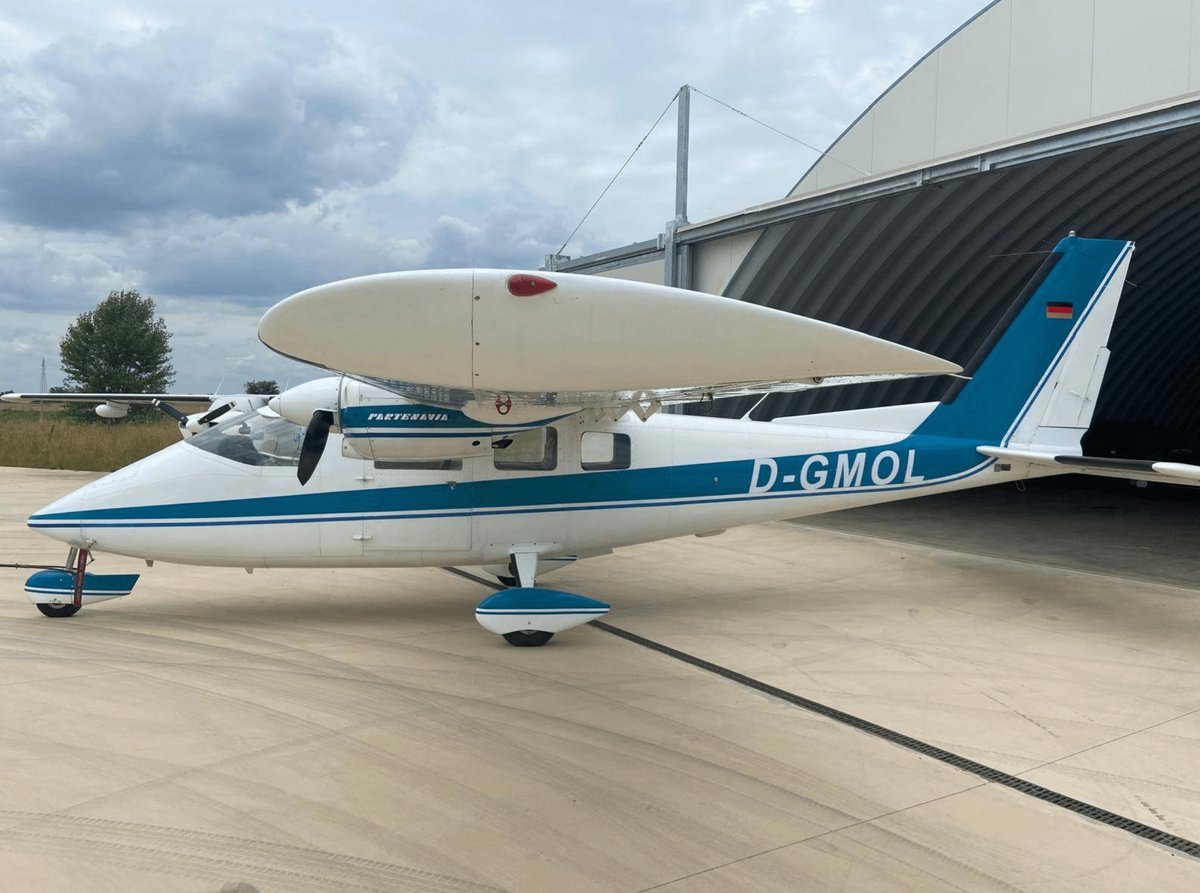
1978 Partenavia P.68B
€180,000
Carpi, Italy
multi-enginePartenavia P-68 B
€159,000
Graz - LOWG, Austria
multi-engineVulcanair P-68 C
€420,000
Switzerland North, Switzerland
multi-engine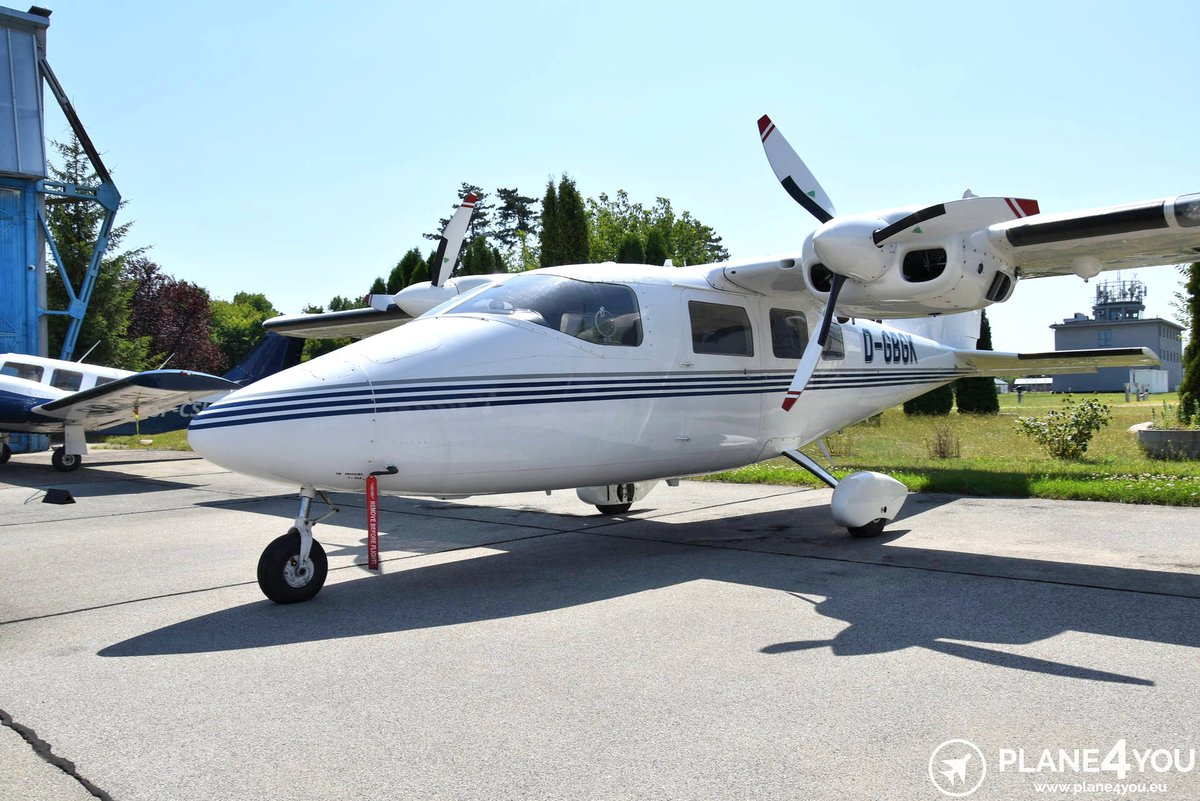
1982 Partenavia P68C TC
€300,000
Europe, Poland
multi-engine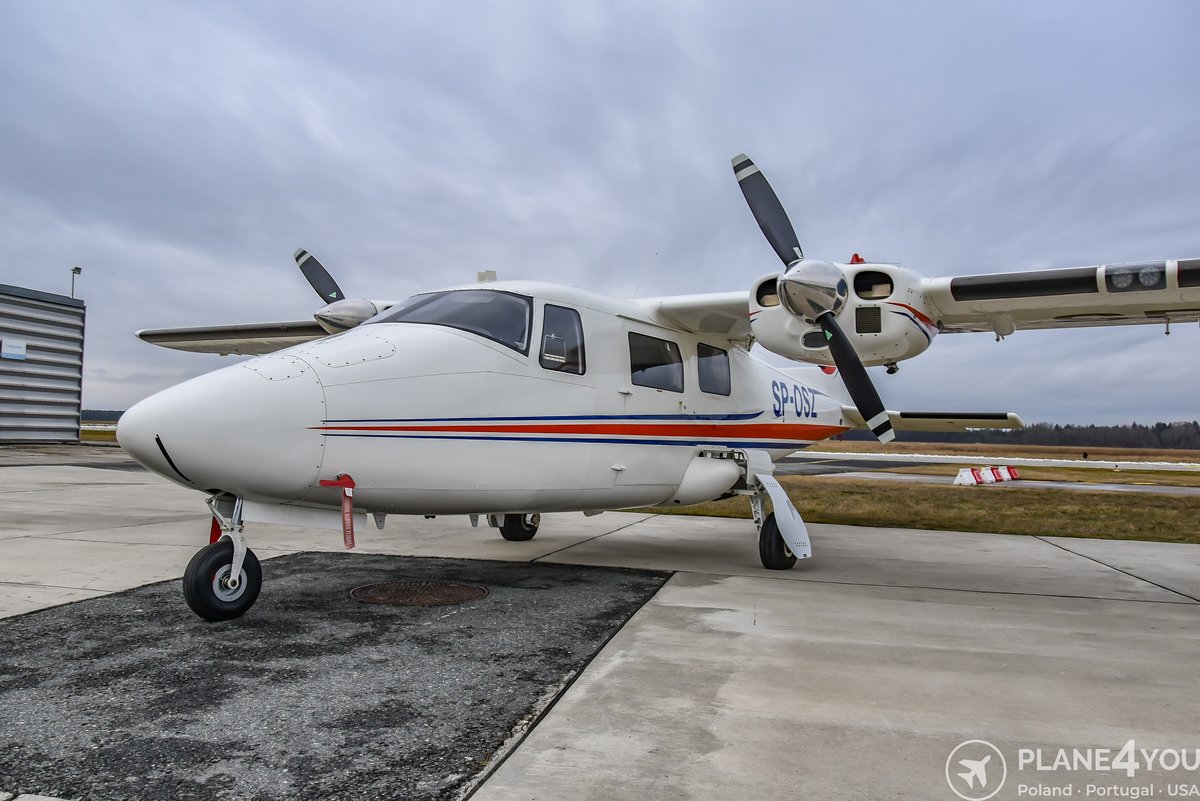
2011 Vulcanair P68.R Victor
€450,000
Poland, Poland
multi-enginePartenavia P68C
Contact for Price
multi-engine1980 Partenavia Vulcanair S.p.A. P.68C
$50,000
Reykjavíkurborg, Höfuðborgarsvæðið
multi-engineWhat a Vulcanair P68 costs, how far it flies, and what it costs to keep
PlaneFox tracks 14 Vulcanair P68 aircraft for sale and re-reads every one of them from the broker and dealer sites it watches, so the figures below move when the market moves. Every number on this page is measured from those live listings, not taken from a published price guide.
How much does a Vulcanair P68 cost?
There are 14 Vulcanair P68 listings on PlaneFox right now, 9 of them priced. They ask between EUR 45,000 and EUR 460,000, with a median of EUR 250,000.
How far can a Vulcanair P68 fly?
A Vulcanair P68 flies about 1,820 nm, roughly 3,371 km, which is about 11 h 2 min in still air at typical cruise.
What does a Vulcanair P68 cost to own?
A Vulcanair P68 costs about EUR 7,392 a month to own and fly: EUR 5,540 to run it, plus EUR 1,851 for a loan over 15 years on the median asking price here, EUR 250,000. Flown 150 hours a year, that is about EUR 464 for every flight hour.
More questions about the Vulcanair P68
How much does a Vulcanair P68 cost?
What is the price range for a used Vulcanair P68?
How many Vulcanair P68 aircraft are for sale right now?
Where can I find a Vulcanair P68 for sale?
What should I check when buying a used Vulcanair P68?
How do Vulcanair P68 prices change with year of manufacture?
About the Vulcanair P68
Aircraft overview
The Vulcanair P68 is a light twin piston aircraft with roots in the Italian Partenavia P.68, which first flew in 1970 and entered production in the early 1970s. Vulcanair later acquired the design and continued development and production. The aircraft is a high wing, fixed gear, six seat utility twin, used for private transport, flight training, aerial survey, surveillance and special mission work. Its importance in the used aircraft market comes from a practical combination of twin engine redundancy, good visibility, straightforward systems and operating flexibility, rather than from speed or pressurization.
Performance & specifications
Typical Vulcanair P68 performance depends on variant, equipment and weight, but the type is commonly associated with cruise speeds in the 150 to 170 knot range. Published range figures for the family can exceed 1,000 nautical miles in economical conditions, while real trip planning should account for payload, reserves and altitude. The aircraft is powered by two Lycoming IO 360 series four cylinder piston engines, each rated at 200 hp on many P68 variants. Service ceiling is commonly published around 20,000 feet. Useful load varies meaningfully by model and installed equipment, so aircraft specific weight and balance records are essential when comparing examples.
Cabin & avionics
The P68 cabin is arranged for up to six occupants, with a pilot and copilot up front and passenger seating behind. The high wing gives good downward visibility, which is one reason the platform is widely used for observation, mapping and patrol roles. Cabin access, interior condition, soundproofing and mission equipment installations can differ substantially across the fleet. Avionics are highly aircraft specific. Older examples often have conventional analog flight instruments with later Garmin GNS or GTN navigators, transponders and audio panels added over time. Some refurbished or newer aircraft feature Garmin based glass upgrades such as G500 or G500 TXi class displays, but buyers should verify the exact panel, autopilot integration and certification basis.
Buying & value
For used Vulcanair P68 buyers, the main checks include engine times, propeller status, corrosion inspection, landing gear and brake condition, fuel system history, avionics documentation and any survey or camera modifications. Common variants include the P68B, P68C and the P68 Observer with its distinctive transparent nose for visibility oriented missions. Upgrades often focus on avionics, interior refurbishment, mission equipment removal or modernization. In current PlaneFox listing data, asking prices average about EUR 292,000, with a broad range from about EUR 43,000 to EUR 748,000, reflecting age, variant, engine status, avionics and special mission configuration.