Leonardo Helicopters AW109 / A109 for Sale

2026 Leonardo AW109SP Grand New
Contact for Price
helicopter
2006 Agusta A109E Power
€1,950,000
England, United Kingdom
helicopter
2001 Agusta A109E Power
€1,470,000
Greece
helicopterAgusta A-109 A II
$350,000
RJTF, Japan
helicopter
2021 Agusta AW109 Grand New
Contact for Price
Switzerland
helicopter
2001 Leonardo A109E Power
Contact for Price
helicopter
2009 Leonardo Helicopters AW109S Grand
Contact for Price
Ambrì, Switzerland
helicopter
2002 Leonardo AW109E Power
Contact for Price
Italy / Lombardy
helicopter
2012 Agusta AW109
Contact for Price
Biggin Hill
helicopter
2006 Agusta AW109S Grand
Contact for Price
Liskeard, Cornwall
helicopter
2010 Agusta A109S Grand
Contact for Price
Liskeard, Cornwall
helicopter
2002 Agusta A109E Power Elite
Contact for Price
Biggin Hill, England
helicopter
2011 Agusta AW109
Contact for Price
Biggin Hill
helicopter
2005 Agusta A109S Grand
Contact for Price
Guernsey
helicopter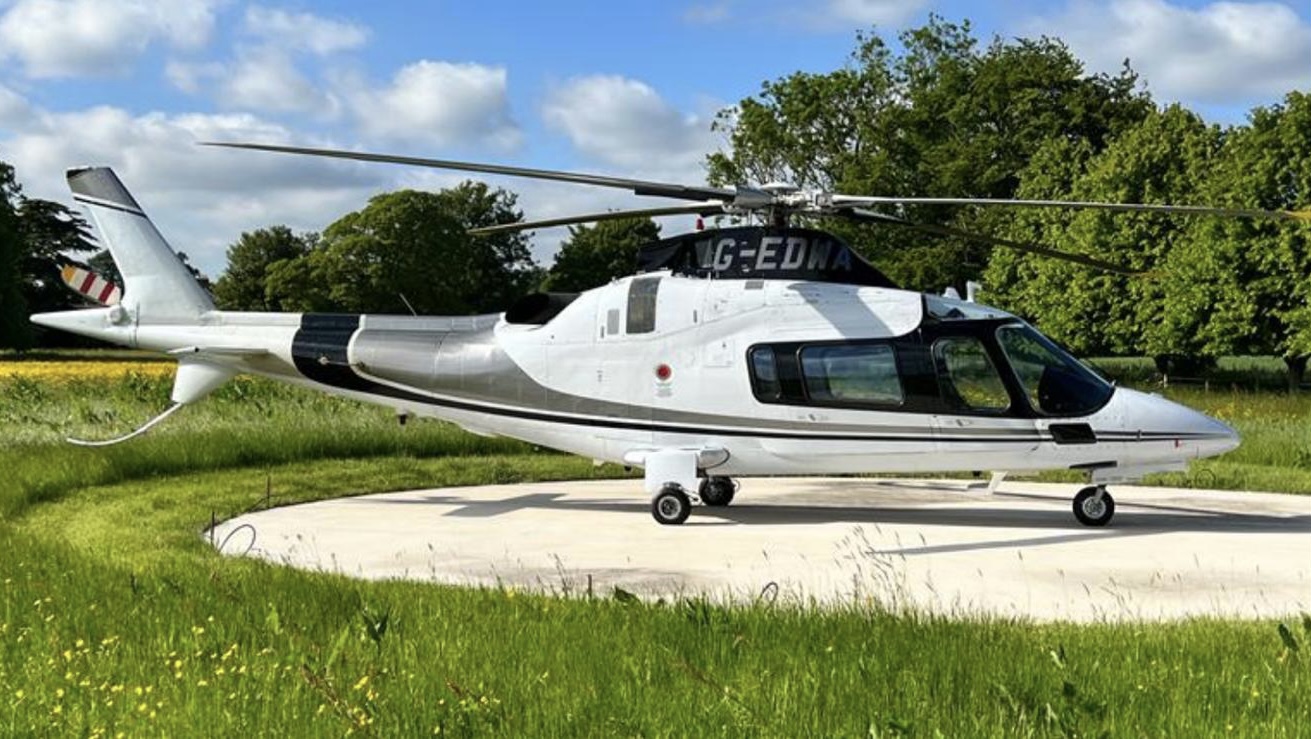
1997 Agusta A109E 2.85T POWER
Contact for Price
helicopter
Agusta 109E
Contact for Price
Oxford Airport, UK
helicopter
2001 Agusta 109E Power Elite
Contact for Price
Europe
helicopter
2003 Agusta 109E Elite
Contact for Price
Europe
helicopter
2007 Agusta A109S Grand
Contact for Price
Brazil
helicopter
Agusta AW109SP or E Power
Contact for Price
United States
helicopter
2020 Leonardo AW109SP
Contact for Price
UK
helicopter
2019 Leonardo AW109SP GrandNew
Contact for Price
UK
helicopter
2012 Leonardo/AgustaWestland AW109SP GrandNew
Contact for Price
UK
helicopter
Leonardo AW109 Trekker
Contact for Price
UK
helicopterWhat a AW109 / A109 costs, how far it flies, and what it costs to keep
PlaneFox tracks 31 AW109 / A109 aircraft for sale and re-reads every one of them from the broker and dealer sites it watches, so the figures below move when the market moves. Every number on this page is measured from those live listings, not taken from a published price guide.
How much does a Leonardo Helicopters AW109 / A109 cost?
There are 31 Leonardo Helicopters AW109 / A109 listings on PlaneFox right now, 5 of them priced. They ask between EUR 313,000 and EUR 6,700,000, with a median of EUR 1,470,000.
How far can a Leonardo Helicopters AW109 / A109 fly?
A Leonardo Helicopters AW109 / A109 flies about 503 nm, roughly 932 km, which is about 3 h 16 min in still air at typical cruise.
What does a Leonardo Helicopters AW109 / A109 cost to own?
A Leonardo Helicopters AW109 / A109 costs about EUR 26,031 a month to own and fly: EUR 15,147 to run it, plus EUR 10,884 for a loan over 15 years on the median asking price here, EUR 1,470,000. Flown 150 hours a year, that is about EUR 1,212 for every flight hour.
More questions about the AW109 / A109
How much does a AW109 / A109 cost?
What is the price range for a used AW109 / A109?
How many AW109 / A109 aircraft are for sale right now?
Where can I find a AW109 / A109 for sale?
What should I check when buying a used AW109 / A109?
About the Leonardo Helicopters AW109 / A109
Aircraft overview
The Leonardo Helicopters AW109 / A109 is a light twin-engine helicopter originally developed by Agusta, with first flight in 1971 and customer deliveries beginning in the mid-1970s. The line continues under the Leonardo name through later AW109 variants. It is used for corporate transport, air ambulance, law enforcement, utility, offshore support, and light VIP missions. The type matters in the used market because it combines twin-engine redundancy, high cruise speed, retractable landing gear on most variants, and a compact cabin footprint suitable for both private and public-service operations.
Performance & specifications
Performance varies by variant, but later AW109 models such as the A109E Power, A109S Grand, and AW109SP GrandNew typically cruise in the mid-140s to mid-150s knots. Published maximum ranges for common configurations are generally around 400 nautical miles, depending on fuel, equipment, reserves, and payload. Service ceiling for many variants is published up to about 20,000 feet. Useful load depends heavily on model, interior, mission equipment, and optional fuel, so aircraft-specific weight-and-balance records are essential. Powerplants have included Rolls-Royce/Allison 250-series engines on earlier aircraft, Pratt & Whitney Canada PW206/PW207-series engines on later civil models, and Turbomeca/ Safran Arrius engines on some versions.
Cabin & avionics
The AW109 / A109 cabin is typically arranged for one or two pilots and up to six or seven passengers, although executive interiors more commonly seat four to six in club or forward-facing layouts. EMS and police aircraft may have stretcher, sensor, hoist, or communications installations that materially affect empty weight and resale appeal. Avionics differ widely by age and upgrade history. Earlier A109A, A109C, and A109E aircraft may have analog or mixed EFIS panels with later Garmin GTN or similar retrofit navigation equipment. Newer AW109SP GrandNew aircraft introduced a modern glass cockpit with integrated displays, digital autopilot options, and synthetic-vision capability depending on specification.
Buying & value
Key buying considerations include engine model and remaining time, gearbox and rotor component lives, damage history, corrosion exposure, landing gear maintenance, autopilot status, and whether the aircraft has current IFR, EMS, VIP, or law-enforcement equipment. Variant identity is important: A109A and A109C aircraft are older and usually lower-priced; A109E Power models are common corporate and EMS choices; A109S Grand offers a stretched cabin; AW109SP GrandNew brings newer avionics and performance refinements. In the used market, the Leonardo Helicopters AW109 / A109 sits above single-engine turbine helicopters in capability and operating cost, and below larger twin helicopters in cabin volume and mission payload.