Leonardo Helicopters AW139 for Sale

Agusta AW139
Contact for Price
helicopter
2026 Agusta AW139
Contact for Price
Pennsylvania, United States
helicopter
2009 Leonardo AW139
Contact for Price
Paris, France
helicopter
2013 Agusta AW139
Contact for Price
London Elstree Aerodrome, UK
helicopter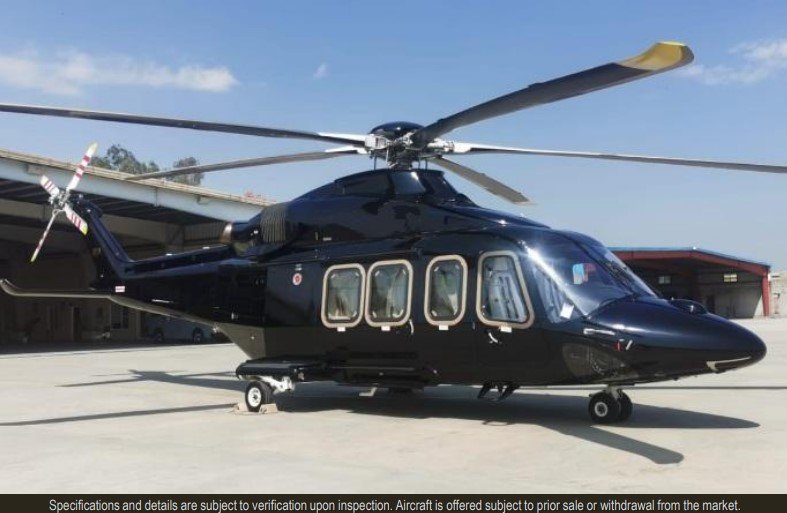
2016 Leonardo Helicopters AW-139
Price on Request
helicopter
2010 Agusta AW139
Contact for Price
helicopter
2020 Agusta Leonardo AW139
Contact for Price
United Kingdom - England
helicopter
2013 Agusta AW-139
Contact for Price
London, UK
helicopter
2008 Agusta AW139
$6,500,000
UK
helicopter
2026 AgustaWestland AW139
Contact for Price
RT AMERICAS
helicopter
2011 Leonardo AW139
Contact for Price
RT AMERICAS
helicopter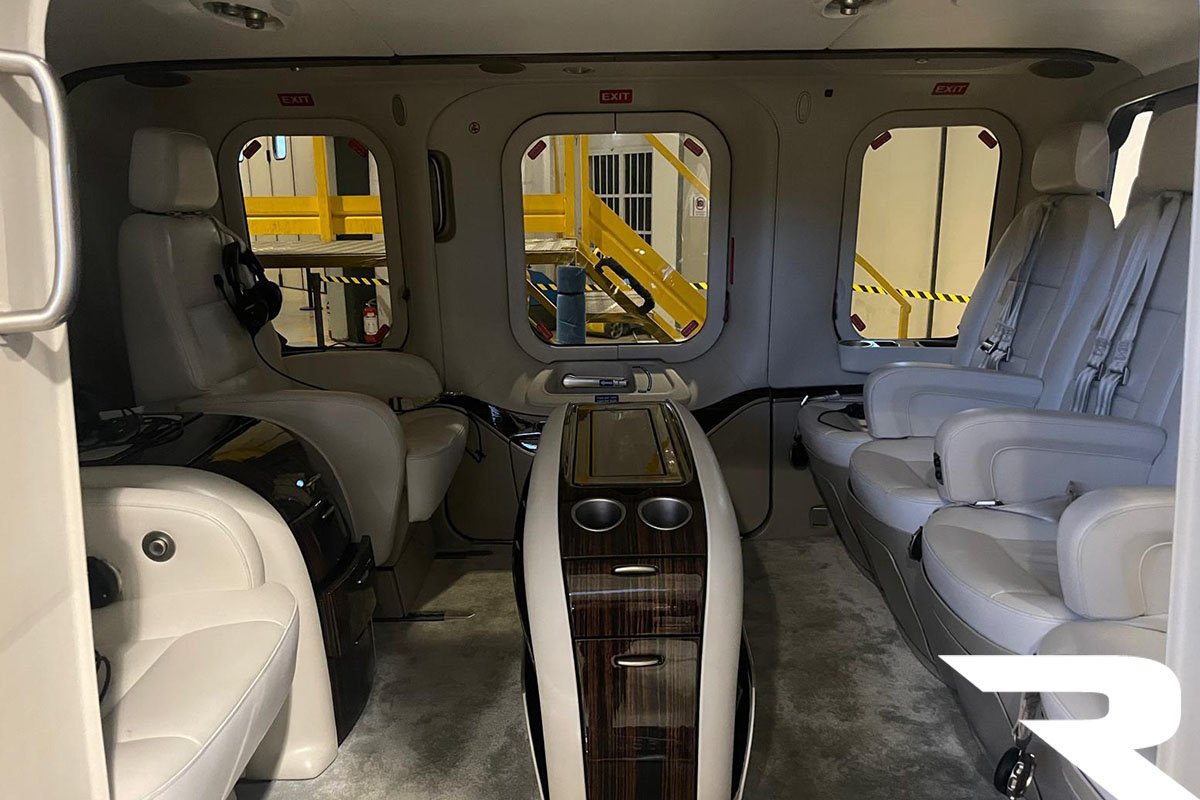
2015 Leonardo AW139
Contact for Price
RT France
helicopter
2010 Leonardo AW139
Contact for Price
RT AMERICAS
helicopter
Agusta AW139
Contact for Price
France
helicopter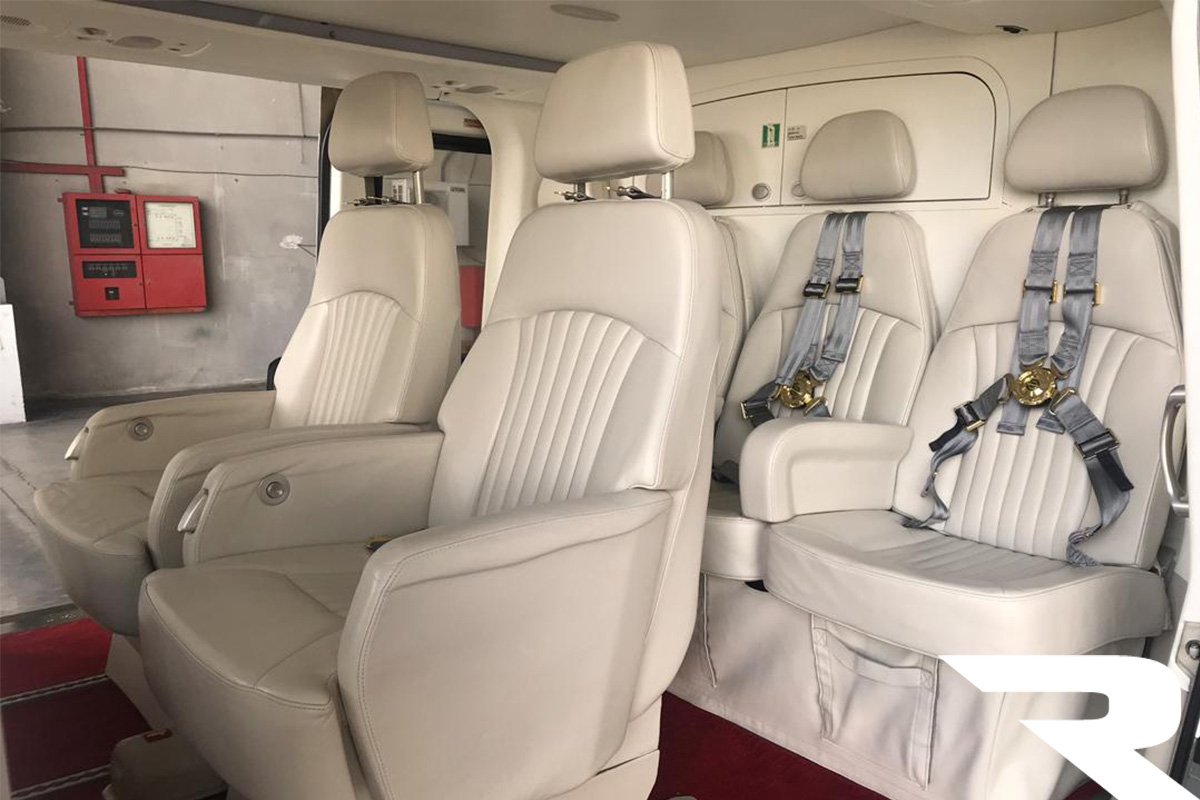
2007 Leonardo AB139
Contact for Price
RT AMERICAS
helicopter
Leonardo / AgustaWestland AW139
Contact for Price
UK
helicopter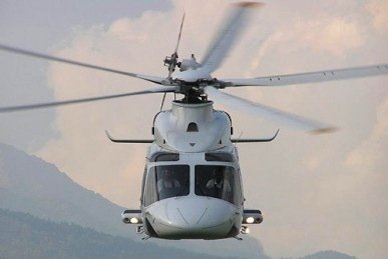
2011 Agusta AW139
Contact for Price
UK
helicopter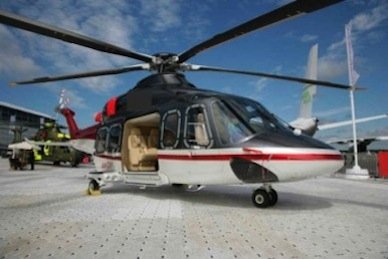
2008 Agusta AW139
Contact for Price
Fly Q Limited, UK
helicopter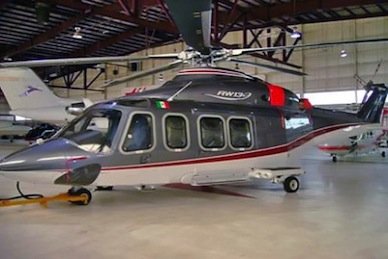
2007 Agusta AW139
$11,600,000
UK
helicopterAgusta AW139
Contact for Price
United Kingdom
helicopterAgusta AW139
Contact for Price
United Kingdom
helicopter
Agusta AW139
Contact for Price
United Kingdom
helicopterWhat a AW139 costs, how far it flies, and what it costs to keep
PlaneFox tracks 22 AW139 aircraft for sale and re-reads every one of them from the broker and dealer sites it watches, so the figures below move when the market moves. Every number on this page is measured from those live listings, not taken from a published price guide.
How far can a Leonardo Helicopters AW139 fly?
A Leonardo Helicopters AW139 flies about 573 nm, roughly 1,061 km, which is about 3 h 28 min in still air at typical cruise.
What does a Leonardo Helicopters AW139 cost to own?
A Leonardo Helicopters AW139 costs about EUR 16,775 a month to run, or about EUR 1,342 for every flight hour when it is flown 150 hours a year.
More questions about the AW139
How much does a AW139 cost?
What is the price range for a used AW139?
How many AW139 aircraft are for sale right now?
Where can I find a AW139 for sale?
What should I check when buying a used AW139?
About the Leonardo Helicopters AW139
Aircraft overview
The Leonardo Helicopters AW139 is a medium twin engine helicopter developed by AgustaWestland, now Leonardo. It first flew in 2001, entered service in the mid 2000s, and remains in active production. The type was designed for civil and government missions that need more cabin volume, speed and offshore capability than light twins, without moving into the heavier super medium class.
Typical roles include offshore energy transport, emergency medical services, search and rescue, law enforcement, utility work and executive transport. Its importance in the used market comes from a large global fleet, broad mission fit, and continued factory support.
Performance & specifications
The AW139 is powered by two Pratt & Whitney Canada PT6C-67C turboshaft engines driving a five blade main rotor. Published performance depends on weight variant and equipment fit, but typical cruise speed is about 150 to 160 knots, with maximum cruise often cited near 165 knots. Maximum range is commonly published at up to about 570 nautical miles under suitable conditions and configuration.
Maximum takeoff weight varies by aircraft and approval standard, including 14,110 lb, 14,991 lb and 15,432 lb versions. Useful load is therefore configuration dependent, especially for EMS, offshore and VIP interiors. The service ceiling is published at 20,000 feet. Buyers should verify the exact certified weight, mission kit and performance charts for the serial number under review.
Cabin & avionics
The AW139 has a flat floor cabin with large sliding doors and a separate cockpit. Airline style utility layouts commonly seat up to 15 passengers, while executive configurations usually carry fewer passengers with a higher level of interior finish. EMS aircraft may include stretcher systems, medical oxygen, dedicated electrical provisions and specialist cabinetry.
Most AW139 aircraft use a Honeywell Primus Epic integrated avionics suite rather than Garmin Perspective or G1000. Typical equipment includes large multifunction displays, digital engine and systems monitoring, weather radar, GPS navigation and a four axis digital autopilot. Later aircraft and upgraded examples may include enhanced situational awareness, HTAWS, synthetic vision, ADS-B Out and mission specific search and rescue avionics.
Buying & value
Used AW139 values are strongly influenced by total time, engine and gearbox status, weight upgrade, avionics phase, mission history and interior standard. Offshore aircraft may have high cycles but strong maintenance tracking, while VIP examples may have lower utilization and more expensive cabin finishes. EMS and SAR aircraft should be evaluated for equipment condition, wiring changes and reconfiguration cost.
Common buyer considerations include 6,800 kg or 7,000 kg gross weight approvals, Primus Epic software level, autopilot options, flotation gear, hoist provisions, auxiliary fuel, air conditioning and compliance with current navigation mandates. In the used market, the AW139 typically sits above light twins and below larger super medium helicopters, offering a cabin and performance profile suited to operators that need multi role capability with an established support ecosystem.