Pipistrel Virus for Sale

2010 PIPISTREL VIRUS SHORT WING 100
€95,000
ultralightPipistrel Virus LSA SW 121
€110,000
Austria, LOGG
ultralightPipistrel Virus LSA
€89,000
EPSD, Poland
ultralightPipistrel Virus LSA SW 121
€110,000
ESGA, Sweden
ultralightPipistrel Virus SW
€135,000
EPKW, Poland
ultralight
2012 PIPISTREL VIRUS SHORT WING 100
€99,000
ultralight
2012 Pipistrel Virus SW
€95,000
ultralight
2020 Pipistrel Virus LSA SW121 EASA
€145,000
Romania
ultralight
2020 Pipistrel Virus SW
€105,000
ultralightPipistrel Virus SW D600
€125,000
Rheinland Pfalz, Germany
ultralightPipistrel Virus SW100 iS
€109,990
LJCE, Slovenia
ultralightPipistrel Virus SW 100
€123,000
LIAT - Pontedera Tuscany, Italy
ultralightPipistrel Virus UL
€68,000
Petrinja, Croatia
ultralightPipistrel Virus LSA
€112,000
LSGP, Switzerland
ultralight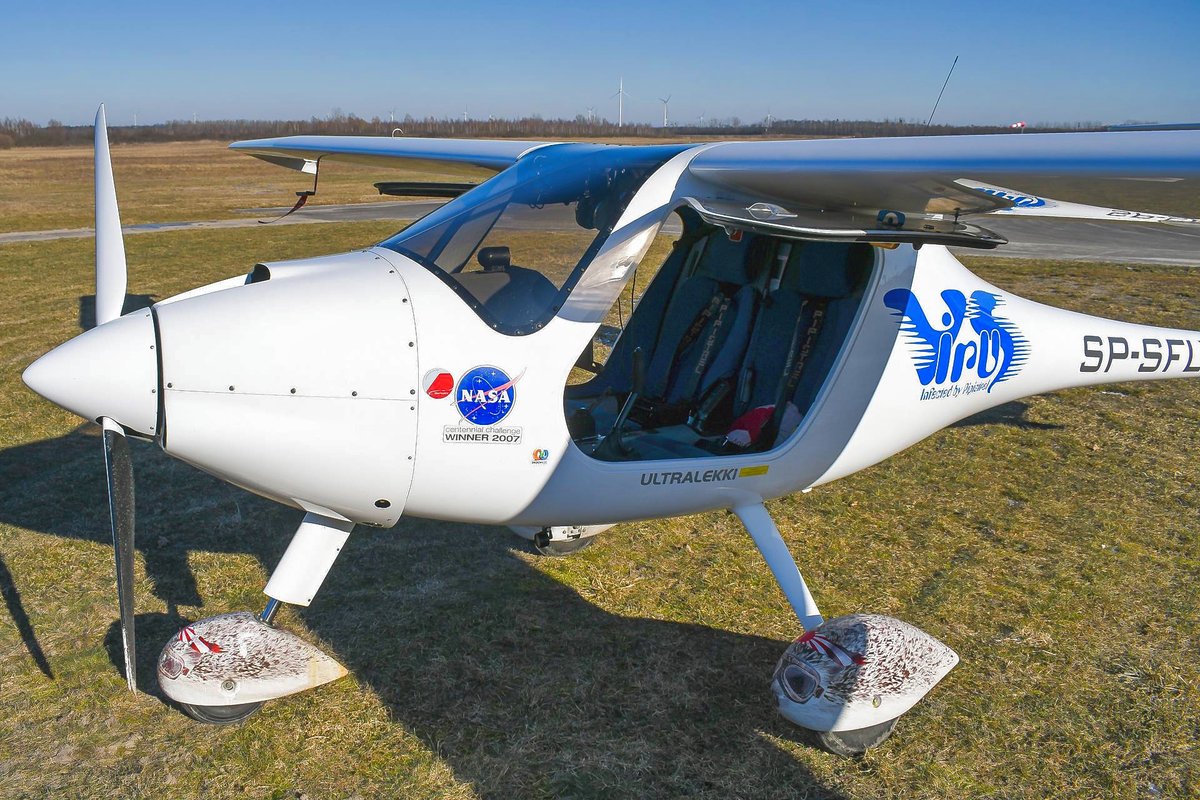
2008 Pipistrel Virus 912 SP-SFLY
€55,000
TBA, Poland
ultralight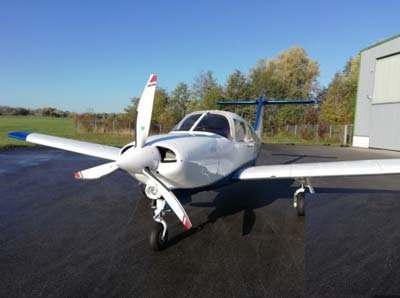
Pipistrel - Virus SW 100 iS DULV Pipistrel Virus SW 100 iS DULV
Price on Request
ultralight2008 Pipistrel Virus 912
€52,000
Poland
ultralight2022 PIPISTREL VIRUS
Contact for Price
Lititz
ultralightWhat a Pipistrel Virus costs, how far it flies, and what it costs to keep
PlaneFox tracks 18 Pipistrel Virus aircraft for sale and re-reads every one of them from the broker and dealer sites it watches, so the figures below move when the market moves. Every number on this page is measured from those live listings, not taken from a published price guide.
How much does a Pipistrel Virus cost?
There are 18 Pipistrel Virus listings on PlaneFox right now, 16 of them priced. They ask between EUR 52,000 and EUR 145,000, with a median of EUR 107,000.
How far can a Pipistrel Virus fly?
A Pipistrel Virus flies about 852 nm, roughly 1,578 km, which is about 5 h 48 min in still air at typical cruise.
What does a Pipistrel Virus cost to own?
A Pipistrel Virus costs about EUR 1,614 a month to own and fly: EUR 818 to run it, plus EUR 796 for a loan over 15 years on the median asking price here, EUR 107,495. Flown 150 hours a year, that is about EUR 89 for every flight hour.
More questions about the Pipistrel Virus
How much does a Pipistrel Virus cost?
What is the price range for a used Pipistrel Virus?
How many Pipistrel Virus aircraft are for sale right now?
Where can I find a Pipistrel Virus for sale?
What should I check when buying a used Pipistrel Virus?
How do Pipistrel Virus prices change with year of manufacture?
About the Pipistrel Virus
Aircraft overview
The Pipistrel Virus is a Slovenian, composite, high wing, two seat light aircraft built by Pipistrel. The original Virus family entered production around 1999, with the shorter wing Virus SW following later as a faster development of the same concept. It is best understood as a light sport, microlight and ultralight class aircraft, depending on national certification and weight limits, rather than a conventional four seat touring aircraft. Its importance comes from combining low fuel burn, glider influenced aerodynamics and practical touring capability in a compact airframe.
Performance & specifications
Performance varies by variant, propeller, certification basis and engine installation. Virus SW models with Rotax 912 power are commonly quoted with cruise speeds in the 120 to 145 knot range, while longer wing versions are generally slower but more efficient. Typical touring range is often around 500 to 700 nautical miles with long range tanks and economy power settings. Useful load depends strongly on empty weight and the applicable 472.5 kg, 525 kg or 600 kg class limit, so buyers should check the actual weight and balance report rather than brochure figures. Powerplants are usually Rotax 912 series engines, including 80 hp and 100 hp versions, with some later aircraft using fuel injected Rotax 912 iS installations. Published service ceiling figures for Virus SW variants can exceed 15,000 feet.
Cabin & avionics
The Virus has side by side seating for two, dual controls and a clean, compact cockpit with good outward visibility from the high wing layout. Baggage capacity is modest and should be checked against weight limits, especially on aircraft fitted with parachute systems, larger avionics panels or additional equipment. Avionics are not standardized across the fleet. Used examples may have simple analogue instruments, Kanardia or LX style displays, Dynon SkyView, Garmin G3X, radio, transponder and engine monitoring. Garmin Perspective and G1000 installations are not typical for the Pipistrel Virus.
Buying & value
For used buyers, the key checks are airframe hours, Rotax maintenance history, propeller condition, parachute repack status if fitted, composite repairs, landing gear wear and compliance with local microlight or light sport rules. Common variants include the Virus 912, Virus SW, Virus SW 100 and certified Virus SW 121. Desirable upgrades often include modern glass avionics, 8.33 kHz radio, Mode S transponder, ADS-B equipment where required and documented factory support. In current PlaneFox listing data, asking prices average about EUR 98,000, with a broad range from roughly EUR 49,000 to EUR 165,000, reflecting age, variant, avionics, engine time and certification status.