Robin HR100 / HR200 for Sale


What a Robin HR100 / HR200 costs, how far it flies, and what it costs to keep
PlaneFox tracks 4 Robin HR100 / HR200 aircraft for sale and re-reads every one of them from the broker and dealer sites it watches, so the figures below move when the market moves. Every number on this page is measured from those live listings, not taken from a published price guide.
How far can a Robin HR100 / HR200 fly?
A Robin HR100 / HR200 flies about 1,150 nm, roughly 2,130 km, which is about 7 h 17 min in still air at typical cruise.
What does a Robin HR100 / HR200 cost to own?
A Robin HR100 / HR200 costs about EUR 1,878 a month to run, or about EUR 198 for every flight hour when it is flown 150 hours a year.
More questions about the Robin HR100 / HR200
How much does a Robin HR100 / HR200 cost?
What is the price range for a used Robin HR100 / HR200?
How many Robin HR100 / HR200 aircraft are for sale right now?
Where can I find a Robin HR100 / HR200 for sale?
What should I check when buying a used Robin HR100 / HR200?
About the Robin HR100 / HR200
Aircraft overview
The Robin HR100 / HR200 covers two related French low wing piston aircraft from Avions Pierre Robin, aimed at private touring and club training rather than the wooden DR400 line. The HR100 was introduced at the end of the 1960s as a four seat touring aircraft, with production through the 1970s. The HR200 followed in the early 1970s as a two seat trainer and private aircraft, designed with a metal airframe and fixed tricycle landing gear. Both types matter on the used market because they offer distinctive Robin handling and visibility in a more conventional metal airframe, with modest operating costs and a smaller ownership community than Cessna, Piper or Beechcraft equivalents.
Performance & specifications
Typical figures vary by engine and variant. HR100 models are commonly found with 180 hp or 200 hp Lycoming engines, giving cruise speeds generally around 125 to 140 knots, with touring range commonly quoted in the 600 nautical mile class when sensibly loaded. The HR200 is a lighter two seat aircraft, usually fitted with a 100 hp Continental O-200 or a Lycoming O-235 of about 118 hp depending on version. Typical cruise is around 105 to 115 knots, with range often around 400 nautical miles. Service ceilings for the family are generally in the low to mid teens, commonly around 13,000 feet. Useful load depends heavily on equipment, paint, interior and engine installation, so individual weighing records matter more than brochure figures.
Cabin & avionics
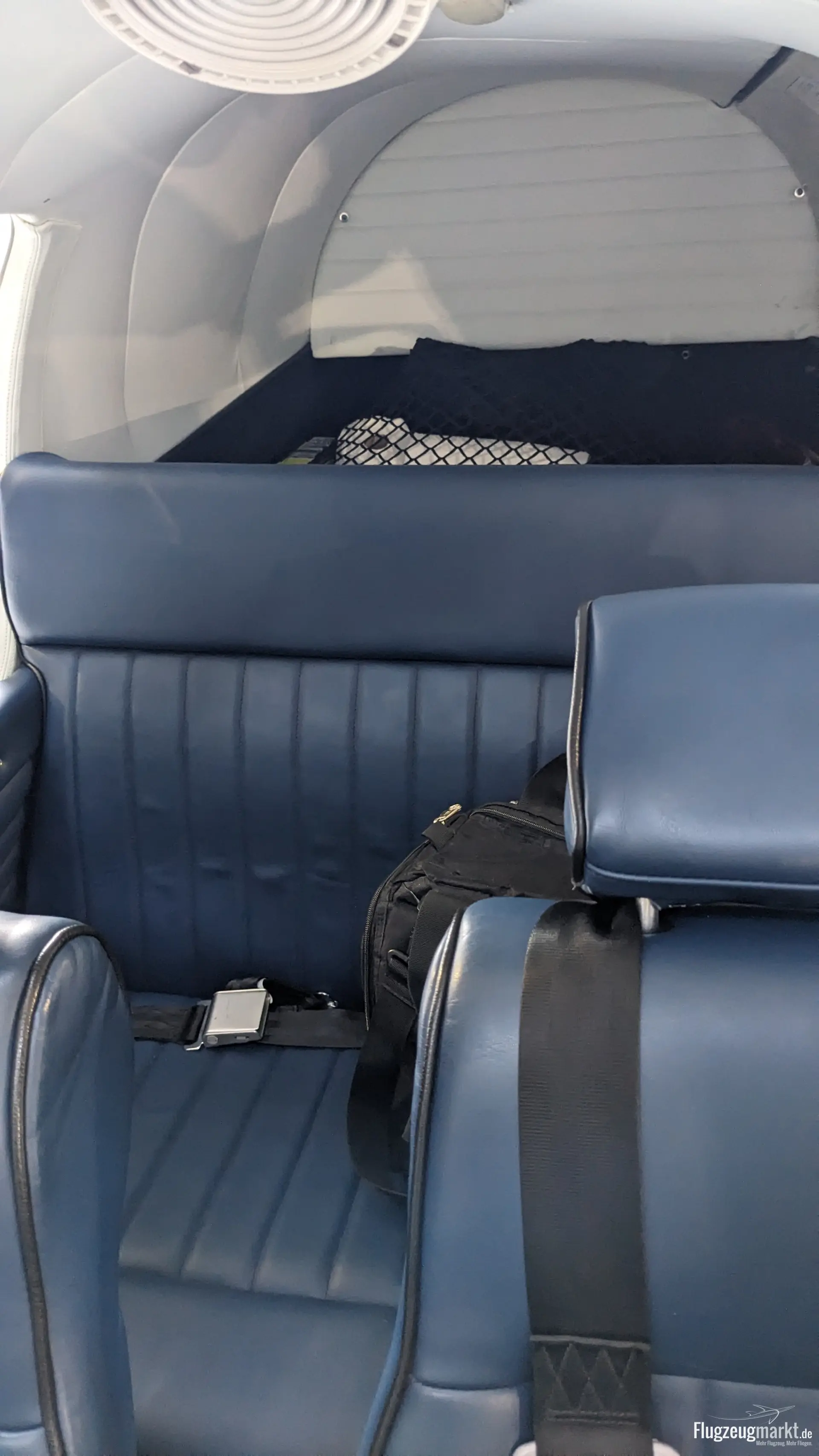
The HR100 has four seats and is best viewed as a compact European tourer, while the HR200 has two side-by-side seats and is more often used for training, local flying and economical private travel. Both have low wing access, good forward visibility and straightforward systems. Factory avionics were conventional analogue radio and navigation fits. Used examples may have Bendix/King, Narco or Collins era equipment, while upgraded aircraft can include Garmin GNS or GTN navigators, Garmin G5 or GI 275 instruments, modern transponders, 8.33 kHz radios and ADS-B equipment where required. Garmin Perspective and G1000 were not factory suites for these models.
Buying & value
Buyers should focus on airframe corrosion, landing gear condition, control system wear, fuel system integrity, engine history, propeller status and compliance with French or EASA related continuing airworthiness documentation. For HR200 aircraft with training history, inspect fatigue-prone areas, brakes, nose gear and logbook continuity carefully. Common variants include HR100 models with 180 hp or 200 hp powerplants and HR200 versions with 100 hp or 120 hp class engines. Market positioning is typically below mainstream American four seaters for the HR100 and below many later two seat trainers for the HR200, reflecting rarity, parts support considerations and the need for type-specific maintenance knowledge.