TL Ultralight TL-2000 Sting for Sale
TL Ultralight Sting S4
€66,000
EDPA, Germany
ultralightTL Ultralight TL-2000 Sting S4
€74,900
LHSA, Hungary
ultralightTL Ultralight TL-2000 Sting
Contact for Price
ultralight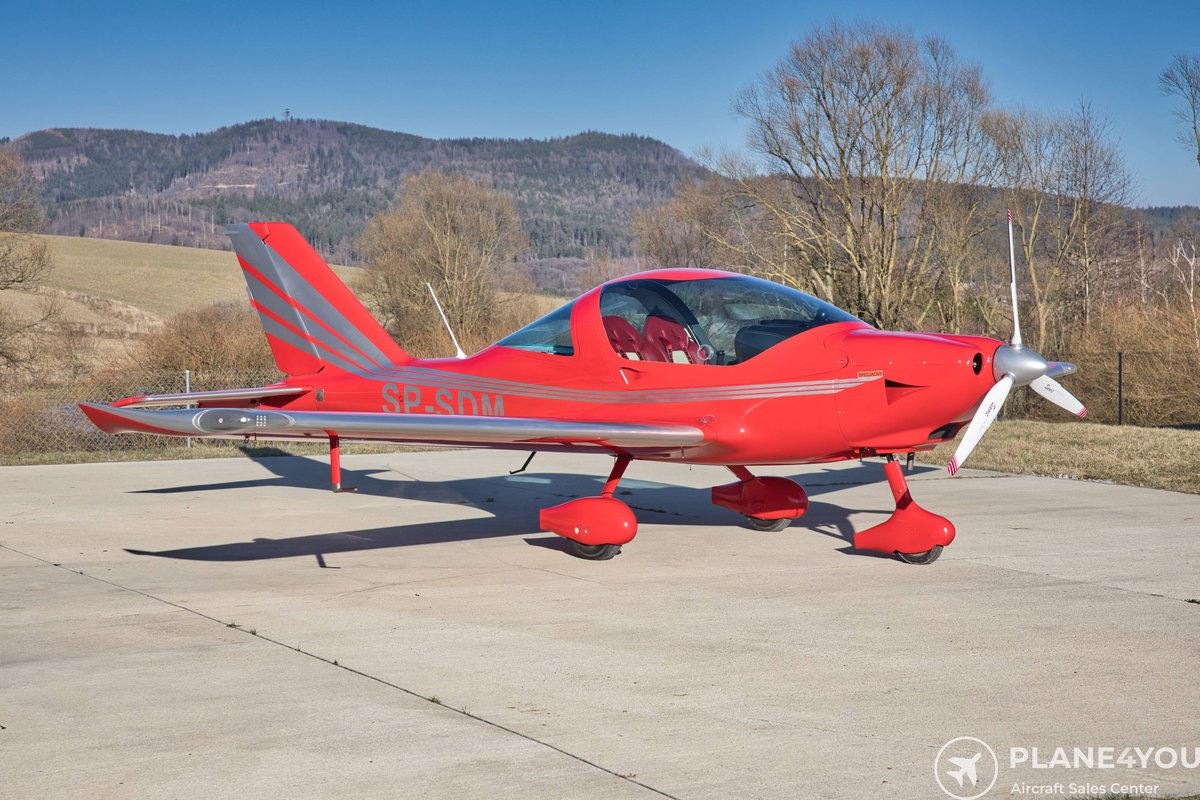
2018 TL 2000 Sting S4
$1,325,000
TBA, Poland
ultralight
TL-Ultralight TL2000 Sting S4
€115,000
France, Meaux, LFPE
ultralightTL Ultralight TL-2000 STING S4
Contact for Price
ultralight
TL Ultralight TL-2000 STING S4
€184,500
ultralightWhat a TL Ultralight TL-2000 Sting costs, how far it flies, and what it costs to keep
PlaneFox tracks 7 TL Ultralight TL-2000 Sting aircraft for sale and re-reads every one of them from the broker and dealer sites it watches, so the figures below move when the market moves. Every number on this page is measured from those live listings, not taken from a published price guide.
How much does a TL Ultralight TL-2000 Sting cost?
There are 7 TL Ultralight TL-2000 Sting listings on PlaneFox right now, 5 of them priced. They ask between EUR 66,000 and EUR 1,180,000, with a median of EUR 115,000.
How far can a TL Ultralight TL-2000 Sting fly?
A TL Ultralight TL-2000 Sting flies about 454 nm, roughly 841 km, which is about 4 h 12 min in still air at typical cruise.
What does a TL Ultralight TL-2000 Sting cost to own?
A TL Ultralight TL-2000 Sting costs about EUR 2,076 a month to own and fly: EUR 1,225 to run it, plus EUR 852 for a loan over 15 years on the median asking price here, EUR 115,000. Flown 150 hours a year, that is about EUR 144 for every flight hour.
More questions about the TL Ultralight TL-2000 Sting
How much does a TL Ultralight TL-2000 Sting cost?
What is the price range for a used TL Ultralight TL-2000 Sting?
How many TL Ultralight TL-2000 Sting aircraft are for sale right now?
Where can I find a TL Ultralight TL-2000 Sting for sale?
What should I check when buying a used TL Ultralight TL-2000 Sting?
About the TL Ultralight TL-2000 Sting
Aircraft overview
The TL Ultralight TL-2000 Sting is a Czech built, two seat, composite light sport and ultralight aircraft developed by TL Ultralight of Hradec Králové. The type emerged in the late 1990s and has been produced in several refined versions for European ultralight and ASTM light sport aircraft markets. It is a low wing aircraft with a carbon composite airframe, tricycle landing gear and side by side seating. For buyers, the TL-2000 Sting matters because it combines modern composite construction, efficient Rotax power and broad international support in a compact personal aircraft suited to touring, training and recreational ownership.
Performance & specifications
Typical TL Ultralight TL-2000 Sting performance depends on version, propeller, empty weight and national certification limits. Most aircraft are powered by the Rotax 912 ULS, a 100 hp four cylinder engine, while later examples may use fuel injected Rotax 912 iS installations. Cruise speeds commonly fall around 110 to 120 knots in practical operation, with economical fuel burn compared with traditional certified trainers. Published range is typically in the 500 nautical mile class when fitted with standard long range tanks and operated with reserve. Maximum takeoff weight is commonly 1,320 lb in the LSA category, with useful load often around the mid 500 lb range depending on equipment. Service ceiling is commonly quoted around 14,000 feet.
Cabin & avionics
The cabin seats two occupants side by side under a forward hinged canopy, giving good visibility and a sporty cockpit feel. Baggage capacity is modest, so buyers should assess real loading for two people, fuel and luggage rather than relying only on headline performance figures. Avionics vary widely by year and owner specification. Early aircraft may have conventional analog instruments, while later and upgraded examples often feature Dynon, Garmin G3X, MGL or similar glass panel systems, GPS navigation, Mode S transponders, ADS-B equipment and engine monitoring. Many aircraft also have a ballistic recovery parachute, which should be checked for repack status and service life.
Buying & value
On the used market, condition, documentation and equipment drive value more than age alone. Important checks include composite airframe condition, landing gear history, canopy fit, Rotax maintenance records, propeller logbooks, parachute dates and compliance with service bulletins. Common variants and upgrades include Sting Carbon, Sting S3 and Sting S4 developments, but buyers should confirm the exact model and certification basis of the aircraft being offered. Current PlaneFox listing data shows TL Ultralight TL-2000 Sting asking prices averaging about EUR 108,000, with a range from roughly EUR 64,000 to EUR 184,000. Lower priced aircraft tend to be older or more basic, while higher priced examples usually reflect newer avionics, low time, parachute equipment or later production features.