Bell 407 for Sale

2014 Bell 407GX
Contact for Price
Norman House, Guernsey
helicopter2021 Bell 407GXi
Contact for Price
helicopter
2017 Bell 407GXP
Price on Request
helicopterBell 407
Contact for Price
helicopter
2013 Bell 407GX
Contact for Price
Tours, France
helicopter2017 Bell 407GXP
Contact for Price
helicopter
2013 Bell 407GX
Contact for Price
Ambrì, Switzerland
helicopter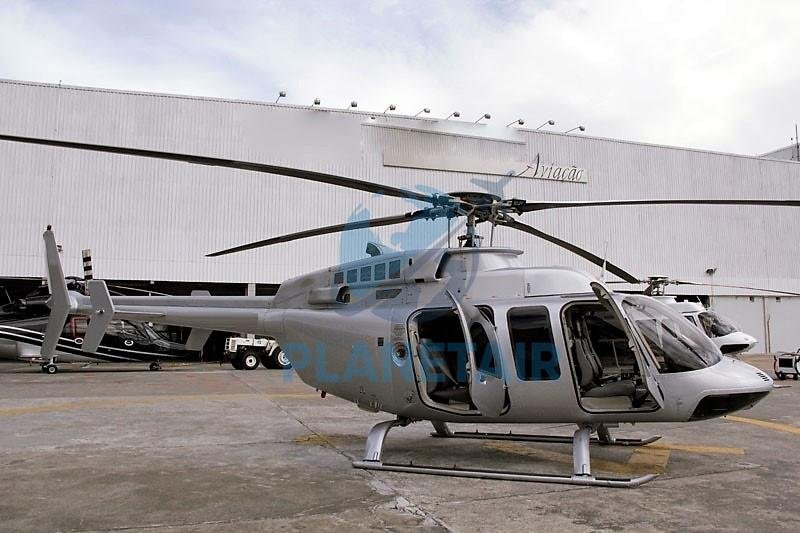
1997 Bell 407
Contact for Price
Brazil
helicopterBell 407GX
Contact for Price
India
helicopterBell 407GXi
$4,700,000
helicopter2013 BELL 407 GX
Contact for Price
FL
helicopterWhat a Bell 407 costs, how far it flies, and what it costs to keep
PlaneFox tracks 11 Bell 407 aircraft for sale and re-reads every one of them from the broker and dealer sites it watches, so the figures below move when the market moves. Every number on this page is measured from those live listings, not taken from a published price guide.
How far can a Bell 407 fly?
A Bell 407 flies about 337 nm, roughly 624 km, which is about 2 h 32 min in still air at typical cruise.
What does a Bell 407 cost to own?
A Bell 407 costs about EUR 15,234 a month to run, or about EUR 1,219 for every flight hour when it is flown 150 hours a year.
More questions about the Bell 407
How much does a Bell 407 cost?
What is the price range for a used Bell 407?
How many Bell 407 aircraft are for sale right now?
Where can I find a Bell 407 for sale?
What should I check when buying a used Bell 407?
About the Bell 407
Aircraft overview
The Bell 407 is a single engine, light turbine helicopter produced by Bell Helicopter, now Bell Textron. It first flew in 1995 and entered service in 1996, with production continuing through later 407 variants. Developed from the Bell 206L LongRanger family, it uses a four blade, soft in plane main rotor derived from the OH 58D Kiowa Warrior program, giving it a different performance and handling profile from the older two blade Bell 206 series. The model is widely used for corporate transport, utility work, air medical operations, law enforcement and charter, making it one of the more liquid choices in the used light turbine market.
Performance & specifications
Typical Bell 407 performance includes a cruise speed of about 133 knots and a range in the region of 320 nautical miles, depending on configuration, fuel, payload and reserves. Maximum gross weight is 5,250 lb on earlier models, with later variants offering incremental weight and performance improvements. Useful load is commonly around 2,300 lb, but installed equipment can change this significantly. Published service ceiling is about 18,700 feet. Standard Bell 407 aircraft are powered by the Rolls Royce, formerly Allison, 250 C47B turboshaft, rated at 813 shp for takeoff, paired with full authority digital engine control.
Cabin & avionics
The Bell 407 normally seats one pilot and up to six passengers, with a two seat front row and a club style rear cabin arrangement. Large cabin doors, a flat floor and an external baggage compartment support mixed passenger and utility missions. Avionics vary by year and retrofit history. Early aircraft often have conventional flight instruments with Garmin, BendixKing or other radio and GPS installations. The Bell 407GX introduced the Garmin G1000H glass cockpit, while the Bell 407GXi uses Garmin G1000H NXi avionics. Garmin Perspective is not a standard Bell 407 suite.
Buying & value
Used Bell 407 pricing is driven by total time, component life remaining, engine history, maintenance status, damage history, mission equipment and avionics standard. Buyers should review dynamic component times, rotor blade status, engine trend monitoring, hot section and overhaul records, and compliance with Bell service bulletins and airworthiness directives. Common market distinctions include the original Bell 407, the glass cockpit 407GX, the higher gross weight 407GXP, and the 407GXi with updated avionics and 250 C47E/4 engine. Aftermarket upgrades can include air conditioning, wire strike protection, cargo hooks, medical interiors, autopilots and performance conversions. In the used market, the Bell 407 typically sits above legacy Bell 206L models and below twin engine light helicopters in acquisition and operating complexity.