What a Bell 427 costs, how far it flies, and what it costs to keep
PlaneFox tracks 4 Bell 427 aircraft for sale and re-reads every one of them from the broker and dealer sites it watches, so the figures below move when the market moves. Every number on this page is measured from those live listings, not taken from a published price guide.
How far can a Bell 427 fly?
A Bell 427 flies about 325 nm, roughly 602 km, which is about 2 h 21 min in still air at typical cruise.
What does a Bell 427 cost to own?
A Bell 427 costs about EUR 13,404 a month to run, or about EUR 1,072 for every flight hour when it is flown 150 hours a year.
More questions about the Bell 427
How much does a Bell 427 cost?
What is the price range for a used Bell 427?
How many Bell 427 aircraft are for sale right now?
Where can I find a Bell 427 for sale?
What should I check when buying a used Bell 427?
About the Bell 427
Aircraft overview
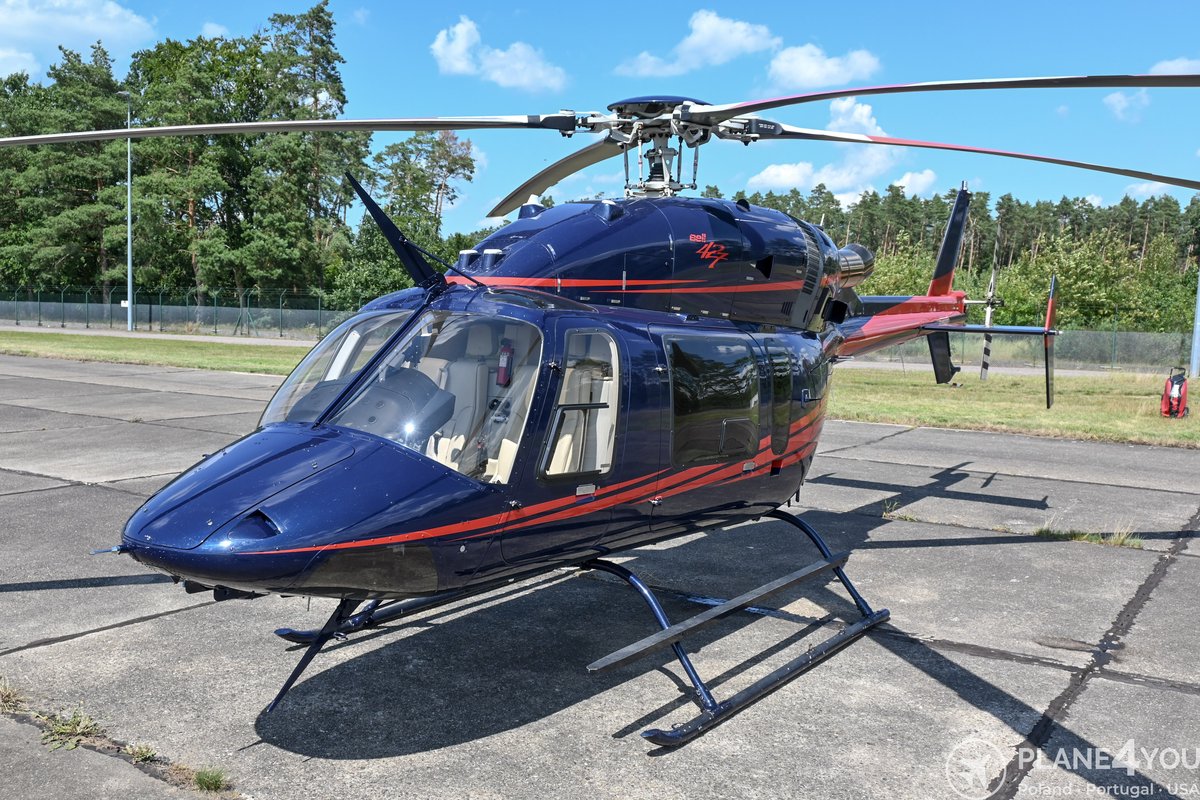
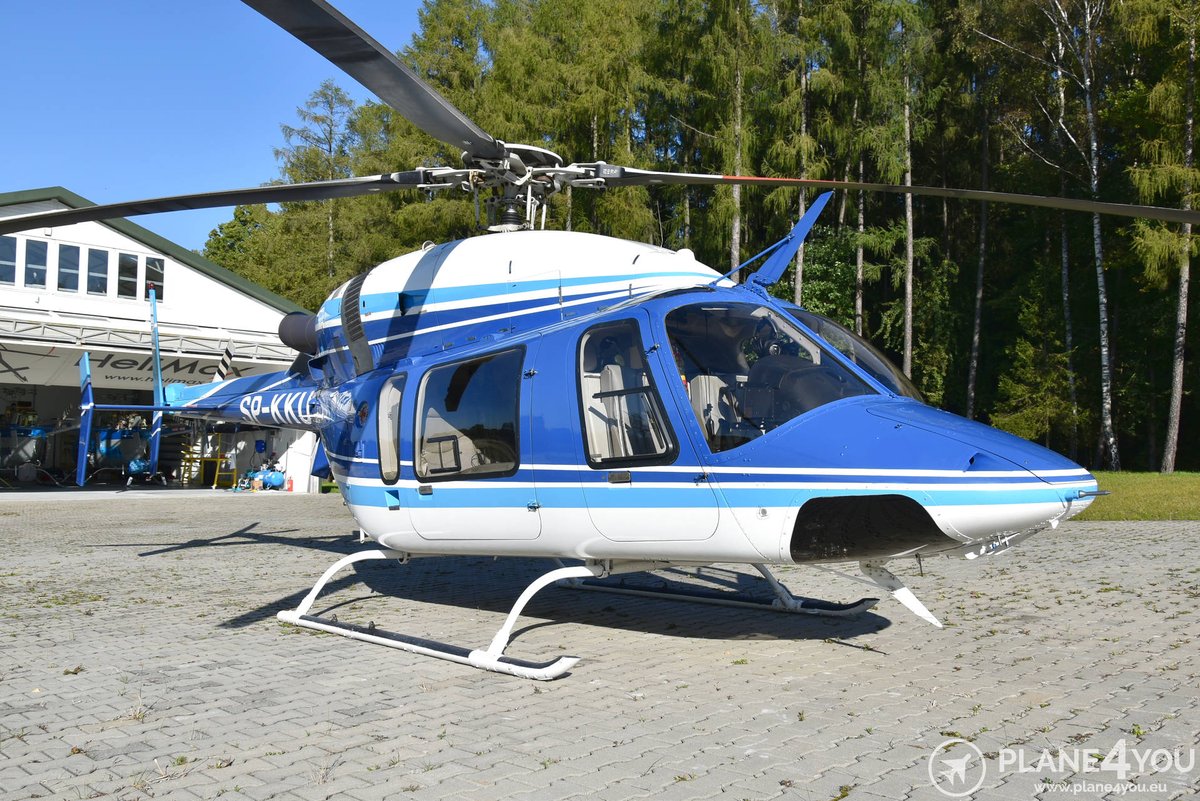
The Bell 427 is a light twin engine helicopter produced by Bell Helicopter with Kawasaki participation. It first flew in 1997, received certification in 2000, and was produced through the late 2000s before Bell shifted focus to the larger Bell 429. The type was designed for corporate transport, utility work, emergency medical service, and law enforcement missions requiring twin engine redundancy in a compact airframe. It matters in the used market because it offers a modernized step beyond the Bell 206LT and Bell 407 family, while remaining smaller and less costly than many medium twins.
Performance & specifications
Typical Bell 427 performance includes a cruise speed of about 133 knots, with a maximum speed around 140 knots. Published range is approximately 390 nautical miles, depending on reserves, equipment, and mission profile. The helicopter has a service ceiling of 10,000 feet and a maximum takeoff weight of 6,550 pounds. Useful load varies with equipment fit, medical interiors, avionics, and optional systems, so aircraft specific weight and balance data is important. Power comes from two Pratt & Whitney Canada PW207D turboshaft engines, each rated at 710 shp for takeoff, driving a four blade composite main rotor.
Cabin & avionics
The Bell 427 is typically configured for one or two pilots and up to seven passengers, with a flat floor cabin and wide side doors that support executive, EMS, and utility layouts. Corporate interiors may have club seating, soundproofing, and improved trim, while EMS examples often include stretcher provisions, medical oxygen, and mission radios. Avionics are aircraft specific rather than a single factory glass cockpit standard. Common installations include dual VHF communication and navigation radios, GPS, transponder, audio panel, engine and systems instruments, optional weather equipment, and autopilot or stability augmentation equipment where fitted.
Buying & value
Prospective buyers should review engine times, hot section and overhaul status, rotor component life limits, transmission records, corrosion history, and compliance with Bell service bulletins and airworthiness directives. Mission history matters, since EMS and public service aircraft may have high cycles and extensive modification records. The used market includes corporate, EMS, and utility configured aircraft, with value strongly influenced by remaining component life, avionics modernization, interior condition, and installed mission equipment. The Bell 427 generally occupies a niche between single engine turbine helicopters and larger light twins, appealing to operators that need twin engine capability without moving into a heavier platform.