Embraer EMB-810 Seneca for Sale

1990 Embraer EMB-810D Seneca III
Price on Request
Brazil
multi-engine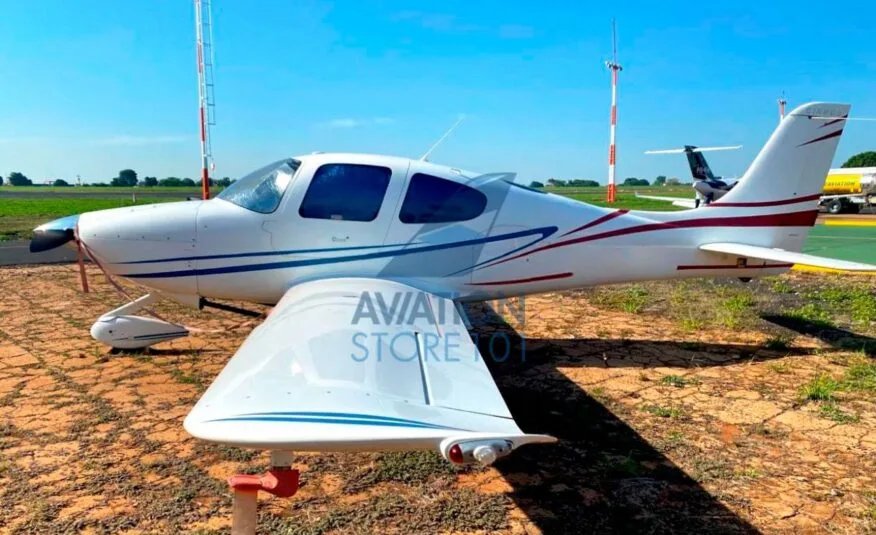
1983 Embraer Seneca III EMB-810D
Price on Request
Brazil
multi-engine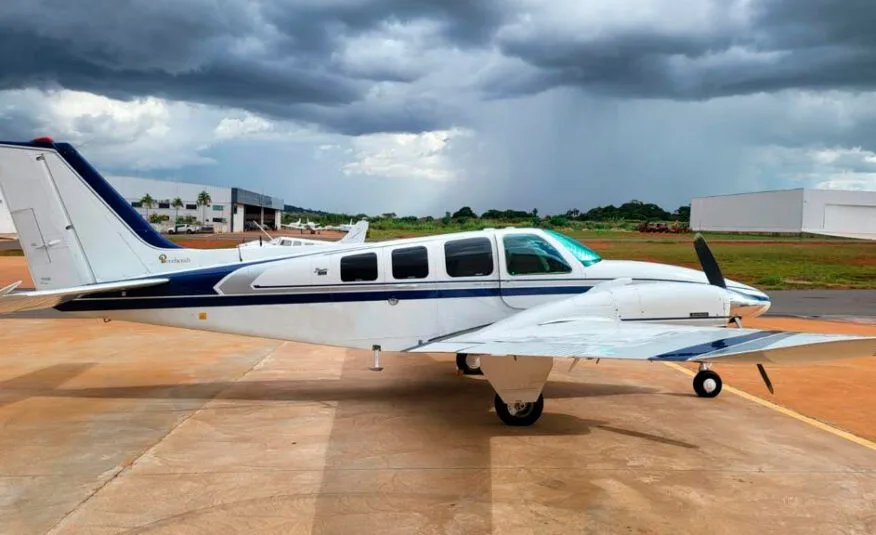
1985 Embraer EMB-810D Seneca III
BRL 1,850,000
Brazil
multi-engine
1995 Embraer Seneca III EMB-810D
Price on Request
Brazil
multi-engine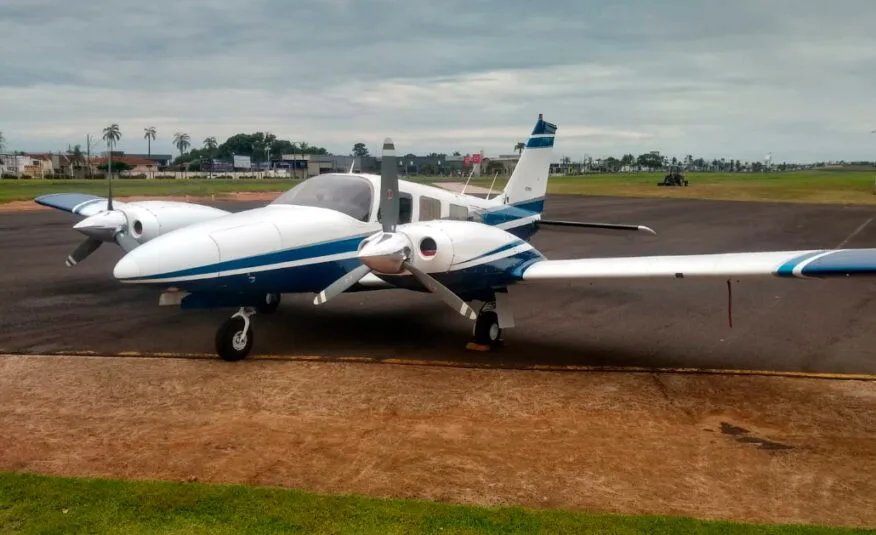
1989 Embraer Seneca III EMB-810D
BRL 2,050,000
Brazil
multi-engine
2000 Embraer EMB-810D - Seneca III
BRL 2,900,000
Brazil
multi-engine
1981 Embraer Seneca II EMB-810C
Price on Request
Brazil
multi-engine
1986 Embraer EMB-810D - Seneca III
BRL 1,600,000
Brazil
multi-engine
1991 Embraer EMB-810D - Seneca III
Price on Request
Brazil
multi-engineWhat a Embraer EMB-810 Seneca costs, how far it flies, and what it costs to keep
PlaneFox tracks 9 Embraer EMB-810 Seneca aircraft for sale and re-reads every one of them from the broker and dealer sites it watches, so the figures below move when the market moves. Every number on this page is measured from those live listings, not taken from a published price guide.
How far can a Embraer EMB-810 Seneca fly?
A Embraer EMB-810 Seneca flies about 725 nm, roughly 1,343 km, which is about 3 h 48 min in still air at typical cruise.
What does a Embraer EMB-810 Seneca cost to own?
A Embraer EMB-810 Seneca costs about EUR 5,378 a month to run, or about EUR 454 for every flight hour when it is flown 150 hours a year.
More questions about the Embraer EMB-810 Seneca
How much does a Embraer EMB-810 Seneca cost?
What is the price range for a used Embraer EMB-810 Seneca?
How many Embraer EMB-810 Seneca aircraft are for sale right now?
Where can I find a Embraer EMB-810 Seneca for sale?
What should I check when buying a used Embraer EMB-810 Seneca?
About the Embraer EMB-810 Seneca
Aircraft overview
The Embraer EMB-810 Seneca is a Brazilian-built, six-seat, light twin aircraft produced under licence from Piper. It is directly related to the Piper PA-34 Seneca family, but the EMB-810 designation applies to the Embraer-built aircraft, mainly assembled in Brazil for civil and training markets. The original Seneca design first flew in 1969, while Embraer production began in the 1970s and continued through later Seneca-derived versions. Its role is practical rather than exotic: personal transport, air taxi work, multi-engine training and regional IFR travel.
Performance & specifications
Typical cruise speed for the Embraer EMB-810 Seneca is in the region of 160 to 175 knots, depending on variant, altitude, engine condition and equipment fit. Range is commonly quoted around 700 to 800 nautical miles with reserves, with useful load often around 1,300 to 1,500 lb in real-world configurations. Turbocharged versions have a service ceiling of about 25,000 feet. Power comes from two Continental TSIO-360 series six-cylinder piston engines, with later EMB-810D aircraft corresponding broadly to the Seneca III standard and using 220 hp class turbocharged engines.
Cabin & avionics
The cabin is arranged for up to six occupants, with club-style middle seating common in many aircraft and access through a right-side cabin door. Baggage space is split between nose and rear compartments, a useful feature for balancing loading on longer trips. Buyers should expect avionics to vary widely. Most aircraft left service with conventional analog instruments and legacy Bendix/King or similar radios. Many used examples now feature Garmin GNS or GTN navigators, modern transponders, audio panels, ADS-B equipment and updated autopilots, rather than factory glass systems such as Garmin G1000.
Buying & value
Condition matters more than model year alone. Key checks include engine time and turbocharger health, propeller status, corrosion inspection, landing gear rigging, fuel system condition, pressurization is not applicable, and the quality of any avionics modernization. Common market distinctions include EMB-810C and EMB-810D aircraft, with later aircraft generally benefiting from Seneca III-related performance and system updates. On the used market, the Embraer EMB-810 Seneca typically sits below newer factory glass light twins but above basic multi-engine trainers. Current PlaneFox listing data shows an average asking price of about EUR 353,000, with observed asking prices from EUR 269,000 to EUR 488,000.