Extra Aircraft EA 300 for Sale
Extra 300
€155,000
Varese, Italy
single-engineExtra 300 S
on request
Modena, Italy
single-engineExtra 300
€155,000
ENRK, Norway
single-engine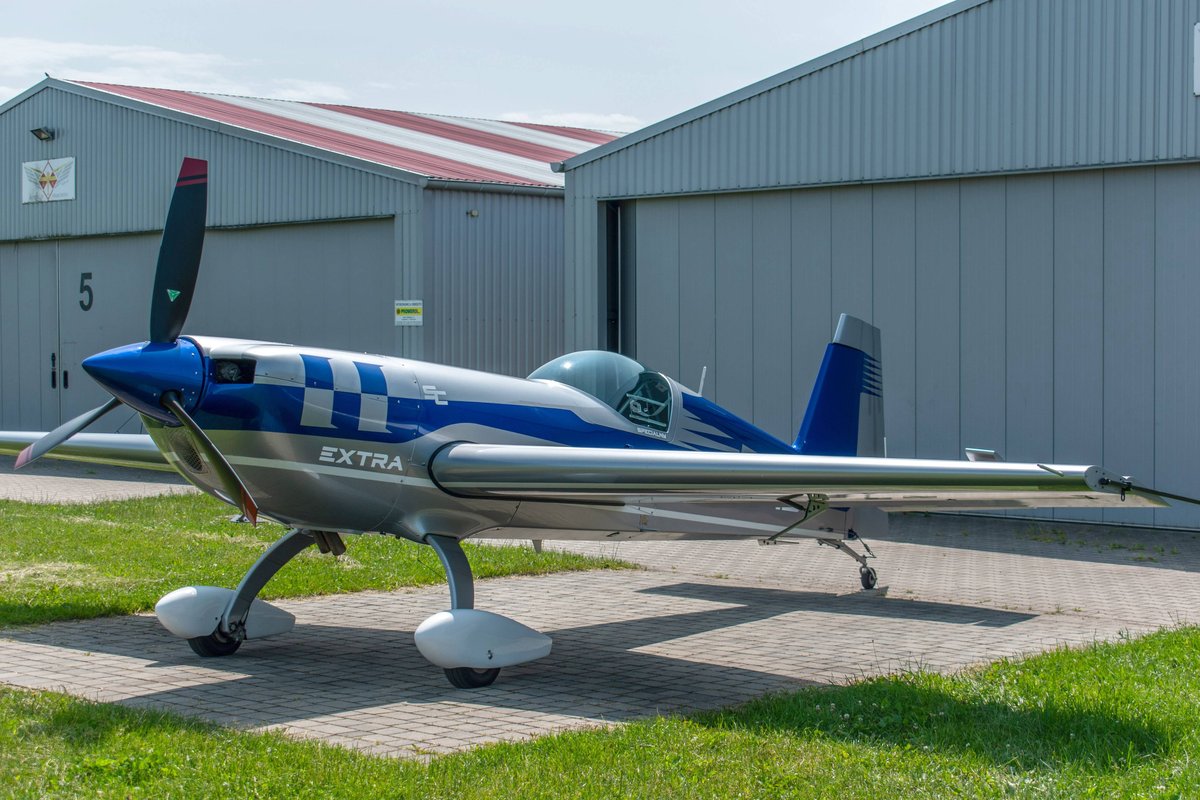
2016 Extra 300SC
€319,000
Poland
single-engine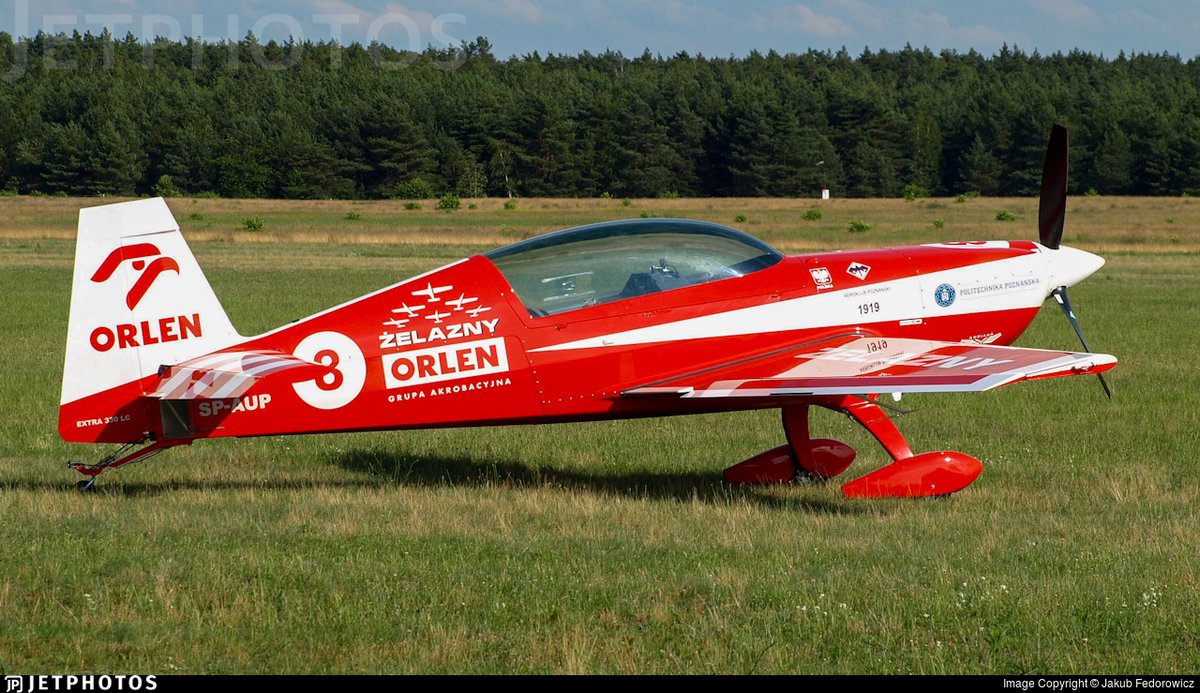
2009 Extra 300L SP-AUP
€515,000
Poland
single-engine2006 EXTRA FLUGZEUGBAU EA 300/L
$249,000
Fort Lauderdale
single-engine1997 EXTRA FLUGZEUGBAU EA 300/L
Contact for Price
Kennesaw
single-engineWhat a EA 300 costs, how far it flies, and what it costs to keep
PlaneFox tracks 7 EA 300 aircraft for sale and re-reads every one of them from the broker and dealer sites it watches, so the figures below move when the market moves. Every number on this page is measured from those live listings, not taken from a published price guide.
How much does a Extra Aircraft EA 300 cost?
There are 7 Extra Aircraft EA 300 listings on PlaneFox right now, 5 of them priced. They ask between EUR 155,000 and EUR 515,000, with a median of EUR 222,000.
How far can a Extra Aircraft EA 300 fly?
A Extra Aircraft EA 300 flies about 415 nm, roughly 769 km, which is about 2 h 26 min in still air at typical cruise.
What does a Extra Aircraft EA 300 cost to own?
A Extra Aircraft EA 300 costs about EUR 4,034 a month to own and fly: EUR 2,387 to run it, plus EUR 1,647 for a loan over 15 years on the median asking price here, EUR 222,460. Flown 150 hours a year, that is about EUR 253 for every flight hour.
More questions about the EA 300
How much does a EA 300 cost?
What is the price range for a used EA 300?
How many EA 300 aircraft are for sale right now?
Where can I find a EA 300 for sale?
What should I check when buying a used EA 300?
About the Extra Aircraft EA 300
Aircraft overview
The Extra Aircraft EA 300 is a purpose-built aerobatic aircraft designed by Walter Extra and produced by Extra Flugzeugbau, now Extra Aircraft, in Germany. The type first flew in 1988 and entered production as a high-performance, certified aerobatic monoplane for competition, advanced training and display flying. It is best known in its two-seat tandem configuration, although the EA 300 type line also includes single-seat competition derivatives. Its significance is its combination of a steel tube fuselage, composite structures, symmetrical wing and a 300 hp aerobatic engine, giving pilots unlimited-category capability in a factory-built aircraft rather than a modified sport airplane.
Performance & specifications
Typical EA 300 performance depends on variant and equipment, but buyers should expect cruise speeds in the region of 160 to 170 knots, with range commonly quoted around 400 nautical miles when operated for transit rather than aerobatic profiles. Service ceiling is typically around 16,000 feet. Useful load varies by version, installed equipment and empty weight, with many two-seat examples offering roughly 600 lb of useful load. The standard powerplant is a fuel-injected Lycoming AEIO-540 series six-cylinder engine rated at 300 hp, paired with a constant-speed propeller. The aircraft is stressed for high positive and negative g aerobatic loads, a central reason for its value compared with more general-purpose sport aircraft.
Cabin & avionics
The EA 300 is not a cabin comfort aircraft. It has tandem seating, dual controls in most two-seat examples, a clear canopy, limited baggage provision and cockpit ergonomics shaped around visibility, harness security and control precision. Avionics are usually simple by business-aircraft standards. Many aircraft have a VFR radio, transponder, intercom, basic navigation equipment and engine instrumentation. Later or upgraded examples may include Garmin or Trig radios, ADS-B equipment, compact EFIS displays such as Garmin G5 or GI 275 units, and modern engine monitors. Integrated suites such as Garmin Perspective or G1000 are not typical for the EA 300.
Buying & value
Pre-owned EA 300 buyers should focus on airframe history, aerobatic usage, damage repairs, wing and tail inspections, engine time, propeller condition, canopy condition and compliance with factory service bulletins. Logbook quality is especially important because competition and display aircraft may have demanding operating histories. Common market distinctions include the original two-seat EA 300, the lower-wing EA 300L, lighter competition-focused versions and aircraft with upgraded panels, smoke systems or newer propellers. On PlaneFox listing data, asking prices average about EUR 198,000, with a broad range from roughly EUR 110,000 to EUR 345,000. Positioning depends strongly on variant, total time, documented maintenance and competition-ready condition.