Extra Aircraft NG for Sale

King Air C90
Contact for Price
Extra NG
Contact for Price
single-engine
Gnome Rotary Engine
£59,000
UK

Airus Training Turboprop
Price on Request
Maribor, Slovenia

Airus Single Engine Jet
Price on Request
Maribor, Slovenia
Zum Inhalt springen
Contact for Price
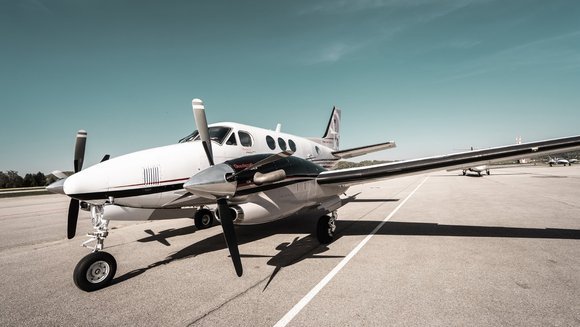
King Air C90GTx
Contact for Price
Extra NG
Contact for Price
EPNI, Poland
single-engine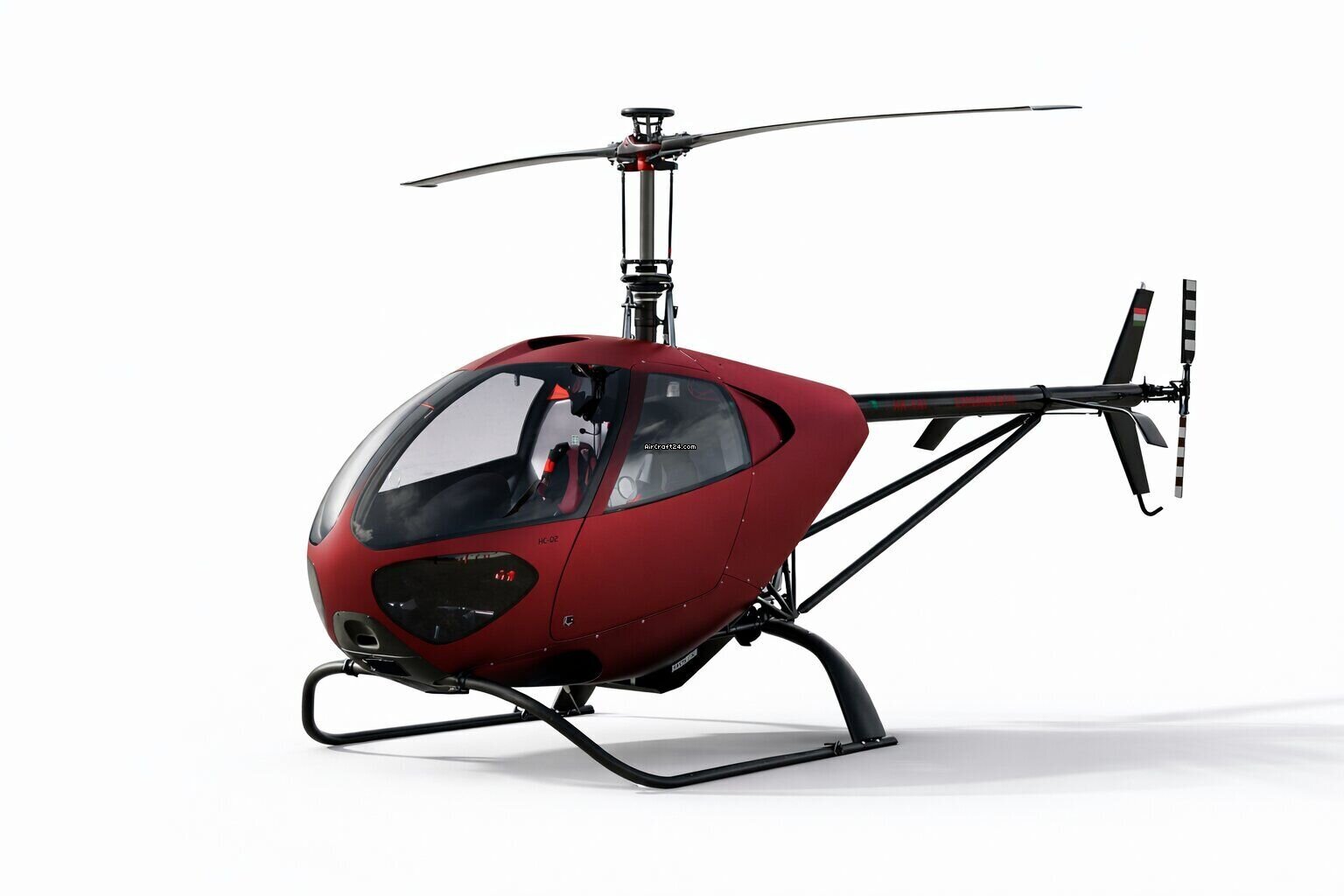
OTHERS / SONSTIGE Hungarocopter HC-02.2
€255,000
Hungary, Verpelét
helicopterBombardierChallenger 850
Contact for Price
2011
Contact for Price
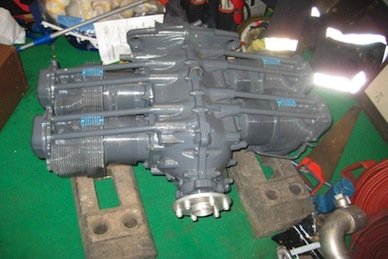
Lycoming engine 0-360-B2C (Ref: 207)
Contact for Price
UK
helicopterFor your own company, or for you as our private customer we offer assistance in finding excellent used helicopters.
Contact for Price

Mikojan-Gurewitsch MiG-21 UM
€440,000
Szeged
jetnull null M14B
null
null
Garmin GTN 750
$4,150
Lycoming O-320-D2A
$10,000
Dixon, California
1997 Mikojan-Gurewitsch SL - 39 wm1
€17,000
Moskau, Russland
multi-engine2003 Sonstige Löhle 5151 Mustang
on request
Nörvenich, Deutschland
ultralightAirco SEEDWINGS SPACE 16
€3,000
Swing AXIS 4-24
€1,500
2010 Pegasus Mustang II
€39,000
Naestved, Dänemark
single-engine2027 EXTRA FLUGZEUGBAU NG
$683,450
Deland
single-engineNot Listed AEROBATIC TRAINING
Contact for Price
Price: Call for Price
What a NG costs, how far it flies, and what it costs to keep
PlaneFox tracks 25 NG aircraft for sale and re-reads every one of them from the broker and dealer sites it watches, so the figures below move when the market moves. Every number on this page is measured from those live listings, not taken from a published price guide.
How much does a Extra Aircraft NG cost?
There are 25 Extra Aircraft NG listings on PlaneFox right now, 8 of them priced. They ask between EUR 9,000 and EUR 611,000, with a median of EUR 75,000.
What does a Extra Aircraft NG cost to own?
A Extra Aircraft NG costs about EUR 2,688 a month to own and fly: EUR 2,130 to run it, plus EUR 558 for a loan over 15 years on the median asking price here, EUR 75,392. Flown 150 hours a year, that is about EUR 228 for every flight hour.
More questions about the NG
How much does a NG cost?
What is the price range for a used NG?
How many NG aircraft are for sale right now?
Where can I find a NG for sale?
What should I check when buying a used NG?
About the Extra Aircraft NG
Aircraft overview
The Extra Aircraft NG is a two-seat, tandem aerobatic aircraft from Extra Aircraft of Germany. Introduced as the company’s new-generation composite aerobatic model, it first flew in 2019 and entered production around the end of that decade. The NG is distinct from the earlier Extra 300 series: it uses a carbon fiber wing and fuselage structure, a redesigned cockpit environment and a modernized systems layout while retaining the unlimited aerobatic mission for which Extra is known. For buyers, it matters because it represents the current-generation factory-built Extra platform, aimed at advanced aerobatic training, competition flying and high-performance personal use.
Performance & specifications
The Extra Aircraft NG is powered by a Lycoming AEIO-580 series six-cylinder aerobatic engine rated at about 315 hp, driving a constant-speed propeller. Published performance varies by configuration, but the aircraft is commonly quoted with a cruise speed of about 200 knots, a range in the region of 600 nautical miles and a service ceiling of about 16,000 feet. Its structure is certified for unlimited aerobatic operation, with high positive and negative load capability typical of the Extra class. Useful load depends on equipment fit, paint, avionics and parachute installation, so individual weight and balance records are important when comparing aircraft.
Cabin & avionics
The NG has two seats in tandem under a clear canopy, with the pilot positions arranged for aerobatic visibility rather than cabin volume. Controls are duplicated, making the aircraft suitable for instruction as well as solo competition or display flying. The cockpit is more modern than earlier Extras, with carbon fiber construction, improved ergonomics and an emphasis on reducing workload during cross-country positioning flights. Typical avionics fit includes Garmin G3X Touch equipment, often paired with Garmin navigation, communication and transponder units. Buyers should verify the exact panel, software status, backup instruments and whether equipment is approved for the intended operating category.
Buying & value
Used Extra Aircraft NG examples are relatively young, so condition, total time, aerobatic use history and maintenance quality usually matter more than calendar age alone. Review engine time, propeller logs, damage history, composite inspections, control system rigging and compliance with Extra service information. Common value drivers include avionics specification, smoke system, parachutes, paint condition, competition history and whether the aircraft has been used mainly for training, display or private flying. PlaneFox listing data shows a broad asking-price picture, with an average around EUR 73,000 and a range from about EUR 9,000 to EUR 588,000, reflecting mixed conditions, incomplete listings and very different aircraft states. A correct NG should sit well above older, high-time aerobatic projects and closer to late-model factory composite aerobatic aircraft.