Piper JetProp DLX (conversion) for Sale

2003 Piper JetProp PA-46
Contact for Price
Brazil
turboprop
1998 Piper Jetprop PA46
Contact for Price
turboprop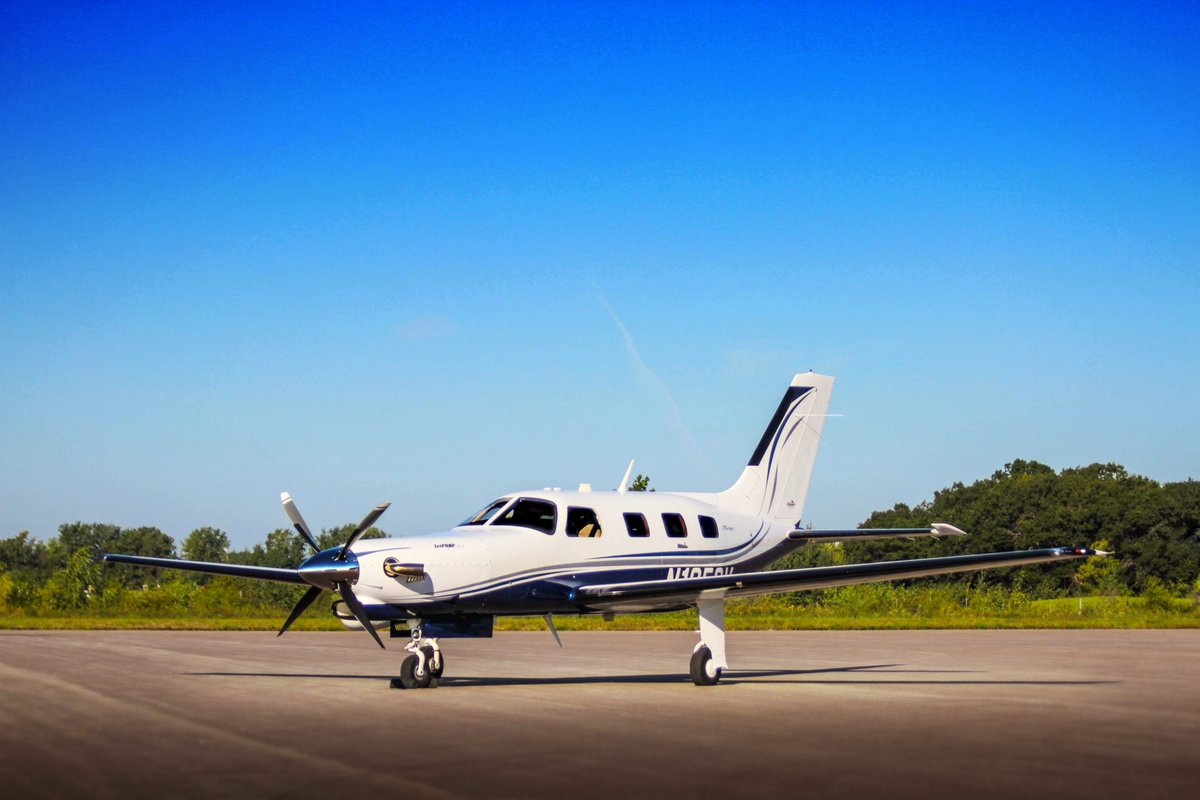
2006 Piper JetPROP
Contact for Price
Minneapolis, MN, United States
turboprop
2003 Piper JetProp PA-46
Price on Request
Brazil
turboprop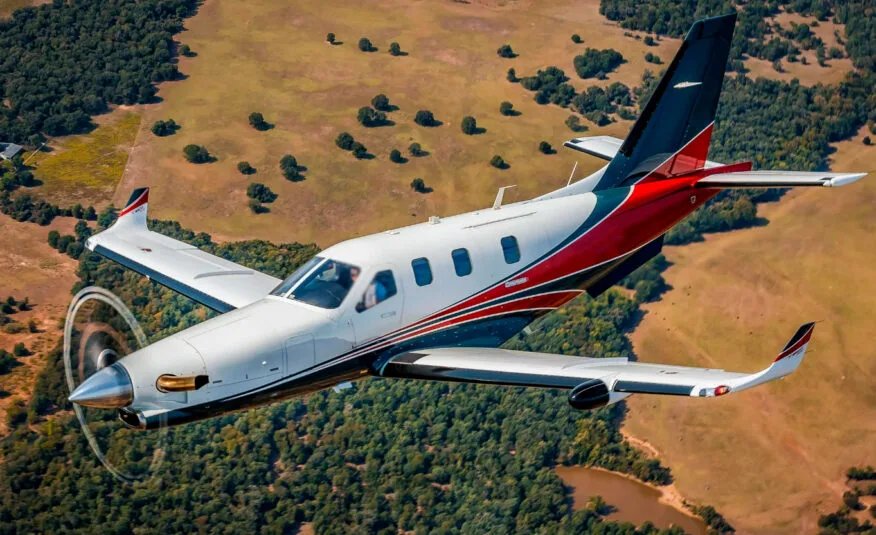
2004 Piper JetProp PA-46
Price on Request
Brazil
turboprop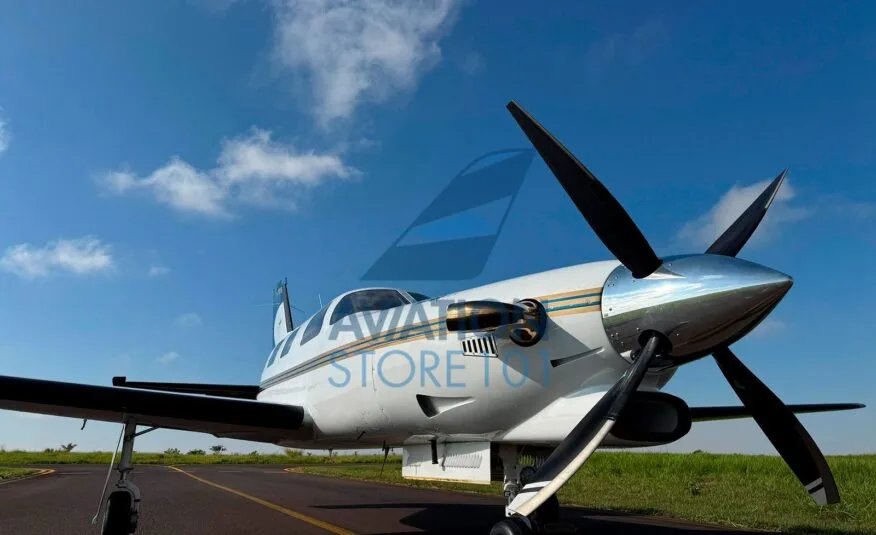
1999 Piper Jetprop DLX
BRL 10,000,000
Brazil
turboprop1995 PIPER JETPROP DLX
Contact for Price
New Braunfels
turboprop1985 PIPER JETPROP DLX
Contact for Price
Missoula
turbopropWhat a Piper JetProp DLX (conversion) costs, how far it flies, and what it costs to keep
PlaneFox tracks 8 Piper JetProp DLX (conversion) aircraft for sale and re-reads every one of them from the broker and dealer sites it watches, so the figures below move when the market moves. Every number on this page is measured from those live listings, not taken from a published price guide.
How far can a Piper JetProp DLX (conversion) fly?
A Piper JetProp DLX (conversion) flies about 1,100 nm, roughly 2,037 km, which is about 4 h 14 min in still air at typical cruise.
What does a Piper JetProp DLX (conversion) cost to own?
A Piper JetProp DLX (conversion) costs about EUR 15,425 a month to run, or about EUR 922 for every flight hour when it is flown 150 hours a year.
More questions about the Piper JetProp DLX (conversion)
How much does a Piper JetProp DLX (conversion) cost?
What is the price range for a used Piper JetProp DLX (conversion)?
How many Piper JetProp DLX (conversion) aircraft are for sale right now?
Where can I find a Piper JetProp DLX (conversion) for sale?
What should I check when buying a used Piper JetProp DLX (conversion)?
About the Piper JetProp DLX (conversion)
Aircraft overview
The Piper JetProp DLX (conversion) is an aftermarket turbine conversion of the pressurized Piper PA-46 Malibu and Mirage airframe, developed by Rocket Engineering in Spokane, Washington. Rather than a factory Piper production model, it is an STC-based conversion that replaces the original piston engine with a Pratt & Whitney Canada turboprop. The program began in the late 1990s and remains an important niche aircraft because it gives PA-46 owners and buyers turbine reliability, high-altitude capability, and strong climb performance while retaining the familiar six-seat Malibu/Mirage cabin and operating footprint.
Performance & specifications
Typical performance for a Piper JetProp DLX (conversion) centers on efficient personal and business transportation in the flight levels. The aircraft is commonly equipped with a Pratt & Whitney Canada PT6A-34 turboprop, flat-rated for the PA-46 installation, driving a constant-speed propeller. Operators typically see cruise speeds in the 250-260 knot range, depending on altitude, temperature, weight, and engine settings. Practical range is often around 900-1,000 nautical miles with reserves, again depending heavily on payload and fuel planning. The certified ceiling is commonly cited at 27,000 feet. Useful load varies meaningfully by donor airframe, equipment, interior, and conversion details, so individual weight-and-balance records are especially important.
Cabin & avionics
The cabin follows the PA-46 layout: a pressurized, club-style cabin typically arranged for six occupants including the pilot. It offers a narrow but comfortable personal-aircraft cabin, with an airstair door, baggage areas, and cabin pressurization suited to high-altitude cruise. Avionics are not standardized across the fleet because each Piper JetProp DLX (conversion) reflects the age and upgrade history of its original Malibu or Mirage airframe. Buyers may find legacy Bendix/King panels, Garmin GNS 430/530 installations, Garmin GTN upgrades, Garmin G500/G600 displays, Aspen displays, digital engine monitoring, and modern autopilot work. Factory-integrated suites such as Garmin Perspective are not characteristic of this conversion.
Buying & value
On the used market, the Piper JetProp DLX (conversion) is positioned between high-performance piston PA-46 aircraft and more expensive factory turboprops such as the Meridian/M500 family. Key purchase items include the quality and date of the conversion, PT6A engine time and hot-section status, propeller time, fuel-system and pressurization condition, airframe total time, useful load after upgrades, and completeness of STC documentation. Common value drivers include Garmin panel modernization, known maintenance history, paint and interior condition, and compliance with PA-46 service bulletins and inspections. Compared with piston Malibu/Mirage models, buyers are paying for turbine performance and operating confidence, while accepting conversion-specific due diligence and higher turbine maintenance costs.