Piper PA-34-200T Seneca II project
on request
TBA, Germany
multi-engine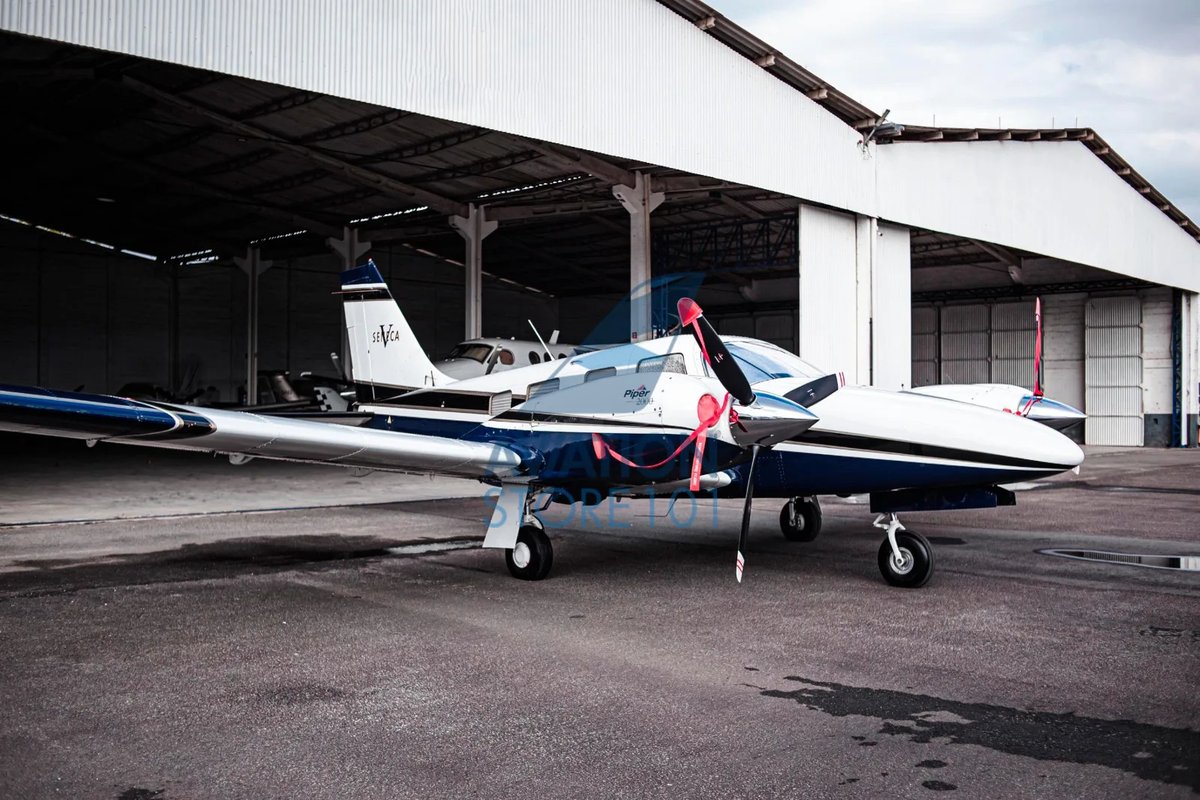
2000 Piper Seneca V PA-34-220T
Contact for Price
Brazil
multi-enginePiper PA-34-220T Seneca III
€150,000
EBZW, Belgium
multi-enginePiper PA-34-200T Seneca II project
Contact for Price
multi-enginePiper PA-34-220T Seneca III
Contact for Price
multi-enginePiper PA-34-220T Seneca V G500TXi
Contact for Price
multi-engine
1975 Piper Seneca II
Contact for Price
United Kingdom
multi-engine
2003 Piper Seneca V
Contact for Price
United Kingdom
multi-engine
Piper PA-34-200T Seneca
Contact for Price
Rakkestad, Norway
multi-engine
2006 Piper PA34 220T Seneca V
Price on Request
multi-engine
1980 Piper Seneca II
€87,000
multi-engine
1993 Piper Seneca III PA 34
€87,000
multi-engine
1976 Piper Seneca II PA-34-200T
€87,000
multi-engine
2007 Piper Seneca V
$680,000
multi-engine
1985 Piper Seneca III
Contact for Price
UK
multi-engine
2007 Piper Seneca V
Contact for Price
UK
multi-engine
1979 Piper Seneca II PA-34
£98,000
UK
multi-engine
1977 Piper PA34-200T SENECA II
€160,000
Le Puy
multi-engine
1998 Piper Seneca V
£289,995
Essex, England
multi-engine
1983 Piper Seneca III
€140,000
multi-engine
1979 Piper PA-34-200T Seneca II
£49,950
White Waltham Airfield, UK
multi-engine
2013 Piper PA34 Seneca V
$495,000
White Waltham Airfield, UK
multi-engine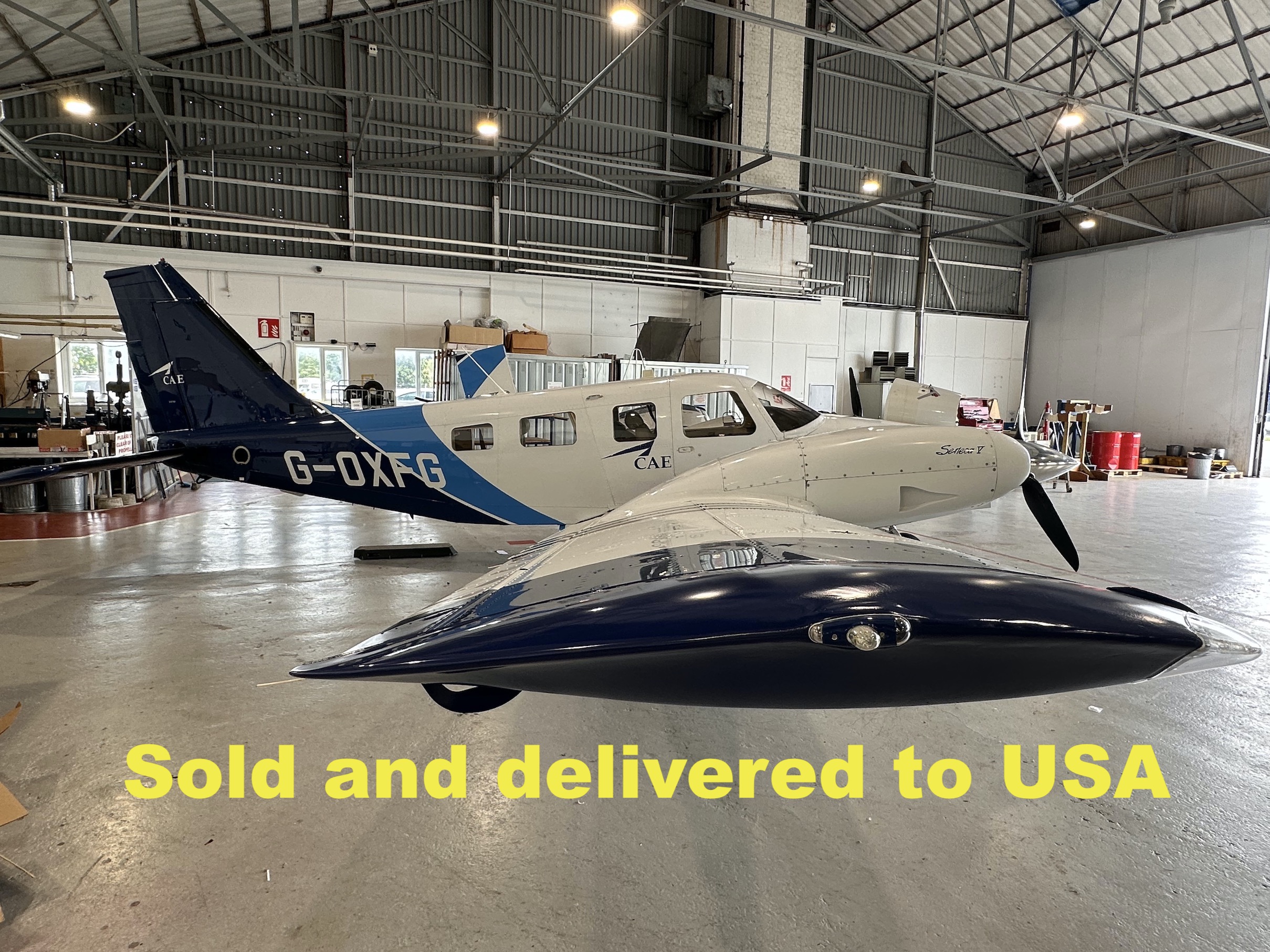
2013 Piper PA34 Seneca V
$495,000
London Oxford Airport
multi-engine
1990 Piper PA-34-220T Seneca III
€160,000
multi-engineWhat a Piper PA-34 Seneca costs, how far it flies, and what it costs to keep
PlaneFox tracks 70 Piper PA-34 Seneca aircraft for sale and re-reads every one of them from the broker and dealer sites it watches, so the figures below move when the market moves. Every number on this page is measured from those live listings, not taken from a published price guide.
How much does a Piper PA-34 Seneca cost?
There are 70 Piper PA-34 Seneca listings on PlaneFox right now, 39 of them priced. They ask between EUR 45,000 and EUR 891,000, with a median of EUR 160,000.
How far can a Piper PA-34 Seneca fly?
A Piper PA-34 Seneca flies about 870 nm, roughly 1,611 km, which is about 4 h 38 min in still air at typical cruise.
What does a Piper PA-34 Seneca cost to own?
A Piper PA-34 Seneca costs about EUR 6,714 a month to own and fly: EUR 5,529 to run it, plus EUR 1,185 for a loan over 15 years on the median asking price here, EUR 160,000. Flown 150 hours a year, that is about EUR 467 for every flight hour.
More questions about the Piper PA-34 Seneca
How much does a Piper PA-34 Seneca cost?
What is the price range for a used Piper PA-34 Seneca?
How many Piper PA-34 Seneca aircraft are for sale right now?
Where can I find a Piper PA-34 Seneca for sale?
What should I check when buying a used Piper PA-34 Seneca?
How do Piper PA-34 Seneca prices change with year of manufacture?
About the Piper PA-34 Seneca
Aircraft overview
The Piper PA-34 Seneca is a six seat, light twin piston aircraft built by Piper Aircraft. The prototype first flew in 1967, and production began in 1971, with the type evolving through the Seneca I, II, III, IV and V. It was designed for private owners, charter operators, flight schools and business users needing the redundancy of two engines, respectable cabin space and manageable operating costs. The PA-34 Seneca matters in the used market because it remains one of the most recognizable cabin class twins, with broad parts support and a large global fleet.
Performance & specifications
Performance varies by variant and equipment, but later turbocharged PA-34 Seneca models typically cruise in the high 170s to around 190 knots. The Seneca V is commonly quoted with a maximum cruise speed near 197 knots, a range of about 828 nautical miles and a service ceiling of 25,000 feet. Power is supplied by two Continental TSIO-360 series six cylinder engines, rated at 220 hp each on the Seneca V. Earlier versions used Lycoming or Continental engines depending on model year. Useful load is often around 1,300 lb on later aircraft, but actual figures depend heavily on installed avionics, deicing equipment, interior configuration and maintenance history.
Cabin & avionics
The Piper PA-34 Seneca has a practical six seat cabin, often arranged with club seating in the rear. It offers a wider, more comfortable environment than many training twins, with separate baggage areas including nose storage on many aircraft. Cabin access is through a right side door, and visibility is good for both pilots and passengers. Avionics vary widely across the fleet. Older aircraft may have analog instruments with upgraded Garmin GNS or GTN navigators, while late production Seneca V aircraft may be equipped with Garmin G1000 or G1000 NXi integrated avionics, including digital engine monitoring and modern autopilot capability.
Buying & value
Used PA-34 Seneca buyers should compare variant, engine time, turbocharger condition, corrosion status, landing gear maintenance, fuel system history and deicing equipment. The Seneca II introduced turbocharging and remains popular, while the Seneca III, IV and V brought engine, aerodynamic and avionics refinements. Common upgrades include Garmin panel modernizations, engine monitors, speed mods, new interiors and updated paint. In current PlaneFox listing data, asking prices average about EUR 184,000, with examples ranging from roughly EUR 58,000 to EUR 841,000. Lower priced aircraft often need avionics, engine or cosmetic investment, while late model G1000 equipped Seneca V aircraft occupy the premium end of the market.