Piper PA-31T Cheyenne for Sale

Piper Cheyenne III
Contact for Price
Madagascar
turboprop
Piper Cheyenne II
Contact for Price
South Africa
turboprop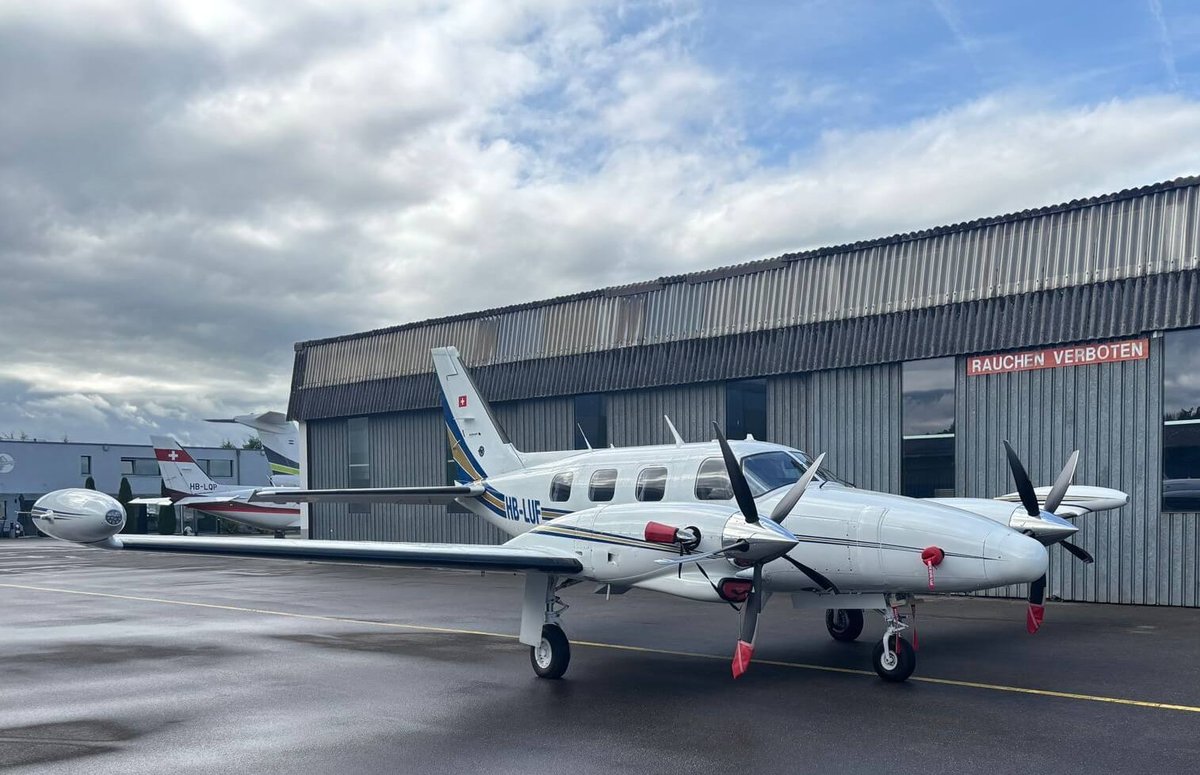
1981 Piper Cheyenne II
CHF 1,200,000
Europe, Switzerland
turboprop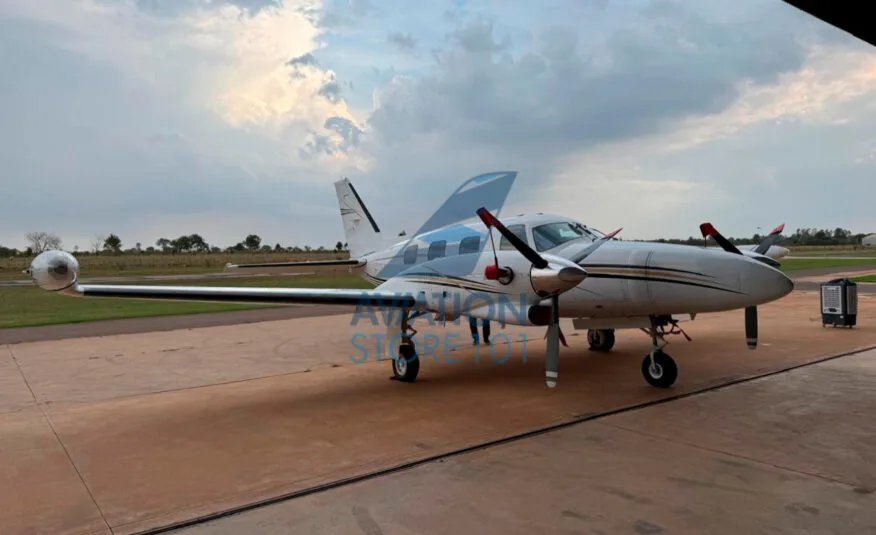
1979 Piper Cheyenne I PA-31T1
Price on Request
Brazil
turboprop
1980 Piper PA31T Cheyenne II
Price on Request
Poland
turboprop
Piper Cheyenne II
€820,000
Hungary, Budapest
turboprop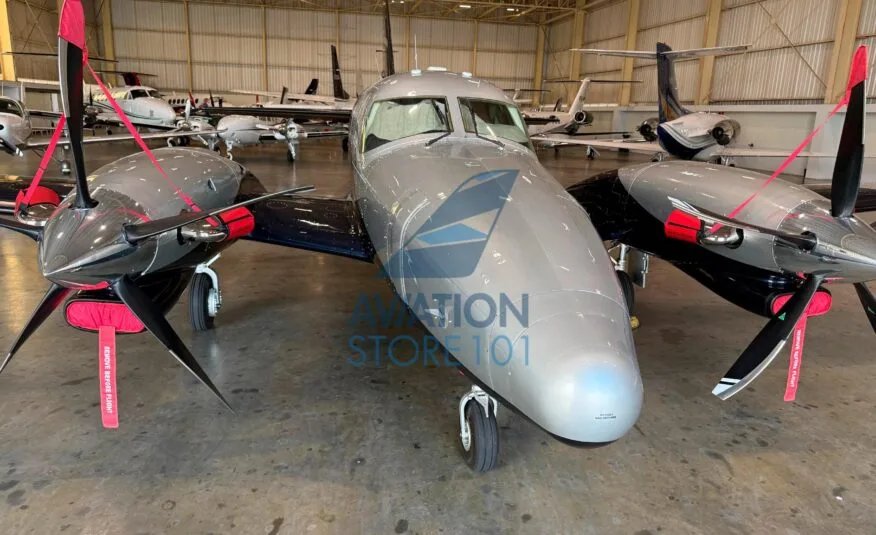
1978 Piper Cheyenne II
Price on Request
Brazil
turboprop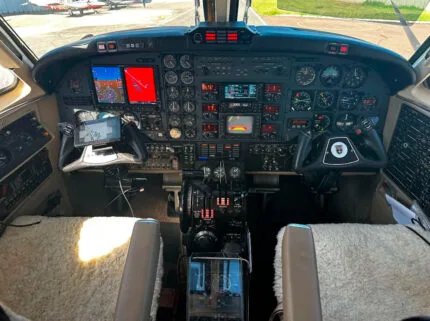
1981 Piper Cheyenne I
Price on Request
Brazil
turboprop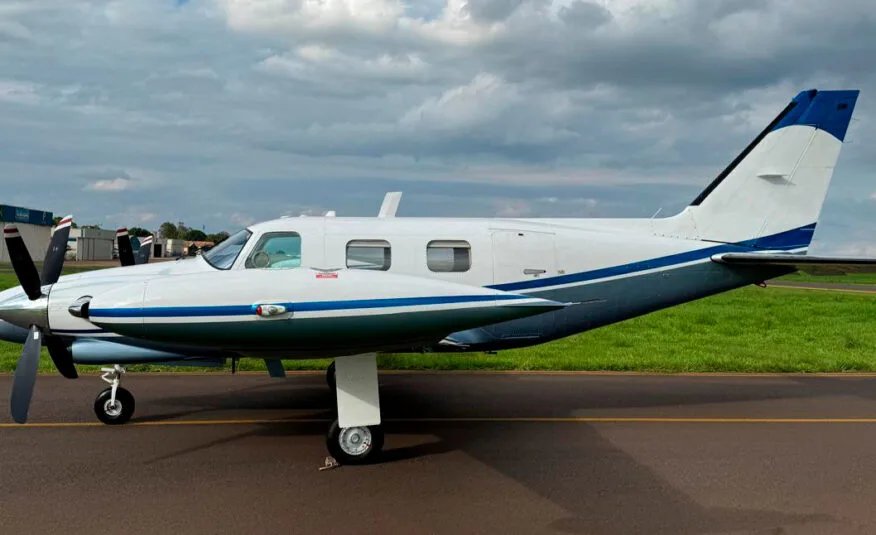
1981 Piper Cheyenne II
$1,800,000
Brazil
turboprop1981 Piper Cheyenne III
$599,900
Millville, NJ
turboprop1981 PIPER CHEYENNE III
Contact for Price
Jefferson
turboprop1978 PIPER CHEYENNE I
Contact for Price
Gaithersburg
turboprop1983 PIPER CHEYENNE II XL
$990,000
Ft Lauderdale
turboprop1978 PIPER CHEYENNE II
$995,000
Tampa
turboprop1987 PIPER CHEYENNE 400LS
$999,000
Novato
turboprop1978 PIPER CHEYENNE I
$495,000
Fort Payne
turboprop1984 PIPER CHEYENNE III A
Contact for Price1/4 share
Moorestown
turboprop1979 PIPER CHEYENNE II
Contact for Price
Nassau (MYNN)
turboprop1981 PIPER CHEYENNE III
Contact for Price
DEU
turbopropWhat a Piper PA-31T Cheyenne costs, how far it flies, and what it costs to keep
PlaneFox tracks 19 Piper PA-31T Cheyenne aircraft for sale and re-reads every one of them from the broker and dealer sites it watches, so the figures below move when the market moves. Every number on this page is measured from those live listings, not taken from a published price guide.
How much does a Piper PA-31T Cheyenne cost?
There are 19 Piper PA-31T Cheyenne listings on PlaneFox right now, 8 of them priced. They ask between EUR 442,000 and EUR 1,610,000, with a median of EUR 887,000.
How far can a Piper PA-31T Cheyenne fly?
A Piper PA-31T Cheyenne flies about 840 nm, roughly 1,556 km, which is about 3 h 1 min in still air at typical cruise.
What does a Piper PA-31T Cheyenne cost to own?
A Piper PA-31T Cheyenne costs about EUR 27,932 a month to own and fly: EUR 21,366 to run it, plus EUR 6,566 for a loan over 15 years on the median asking price here, EUR 886,715. Flown 150 hours a year, that is about EUR 1,163 for every flight hour.
More questions about the Piper PA-31T Cheyenne
How much does a Piper PA-31T Cheyenne cost?
What is the price range for a used Piper PA-31T Cheyenne?
How many Piper PA-31T Cheyenne aircraft are for sale right now?
Where can I find a Piper PA-31T Cheyenne for sale?
What should I check when buying a used Piper PA-31T Cheyenne?
How do Piper PA-31T Cheyenne prices change with year of manufacture?
About the Piper PA-31T Cheyenne
Aircraft overview
The Piper PA-31T Cheyenne is a pressurized twin turboprop produced by Piper Aircraft as a turbine development of the PA-31 Navajo family. The prototype flew in 1969, certification followed in the early 1970s, and customer deliveries began in 1974. Production continued into the 1980s. It occupies the light business turboprop category, positioned for owner pilots and corporate operators needing turbine performance, pressurization and runway flexibility without moving into a larger cabin class. The PA-31T designation is important because it identifies the original Cheyenne line, later commonly associated with the Cheyenne II, not the smaller PA-31T1 Cheyenne I or the larger PA-42 Cheyenne III and IV.
Performance & specifications
Typical cruise speed for the Piper PA-31T Cheyenne is about 250 to 260 knots, depending on altitude, weight, engine condition and installed equipment. Range is commonly planned around 900 to 1,000 nautical miles with IFR reserves, although payload and fuel tradeoffs matter. The aircraft has a certified ceiling of 29,000 feet. Power comes from two Pratt & Whitney Canada PT6A-28 turboprops, each rated at 620 shp, driving three blade propellers on most examples. Useful load varies by serial number and equipment fit, but many aircraft fall in the roughly 2,500 to 3,000 lb class.
Cabin & avionics
The PA-31T Cheyenne typically seats one or two pilots and up to six passengers, with a pressurized cabin arranged in executive club or mixed forward and aft facing layouts. The cabin is narrower than later clean sheet turboprops, but it offers a practical step up from piston twins, with airstair entry, baggage space and turbine cabin altitude capability. Original avionics were generally analog Collins, Bendix or Bendix/King installations. On the used market, many aircraft have been modernized with Garmin GNS or GTN navigators, Garmin G600 or G600 TXi displays, Aspen displays, weather radar, ADS-B and upgraded autopilots. Garmin G1000 and Garmin Perspective are not typical factory installations for this model.
Buying & value
Buyers should review engine times, hot section and overhaul status, propeller times, pressurization system condition, corrosion inspections, landing gear maintenance and records for compliance with applicable airworthiness directives and service bulletins. Common value drivers include avionics modernization, paint and interior condition, damage history, known icing equipment and engine program status if applicable. Current PlaneFox listing data shows an average asking price around EUR 670,000, with observed asking prices from EUR 429,000 to EUR 1,560,000. In the used market, the PA-31T Cheyenne is generally valued as a capable legacy twin turboprop, often compared with other pressurized cabin class aircraft where operating cost, maintenance pedigree and avionics fit are decisive.