Cessna 120 for Sale

2005 Premier Premier 1
$1,400,000
jet
1948 Cessna 120
£27,500
South West, United Kingdom
single-engine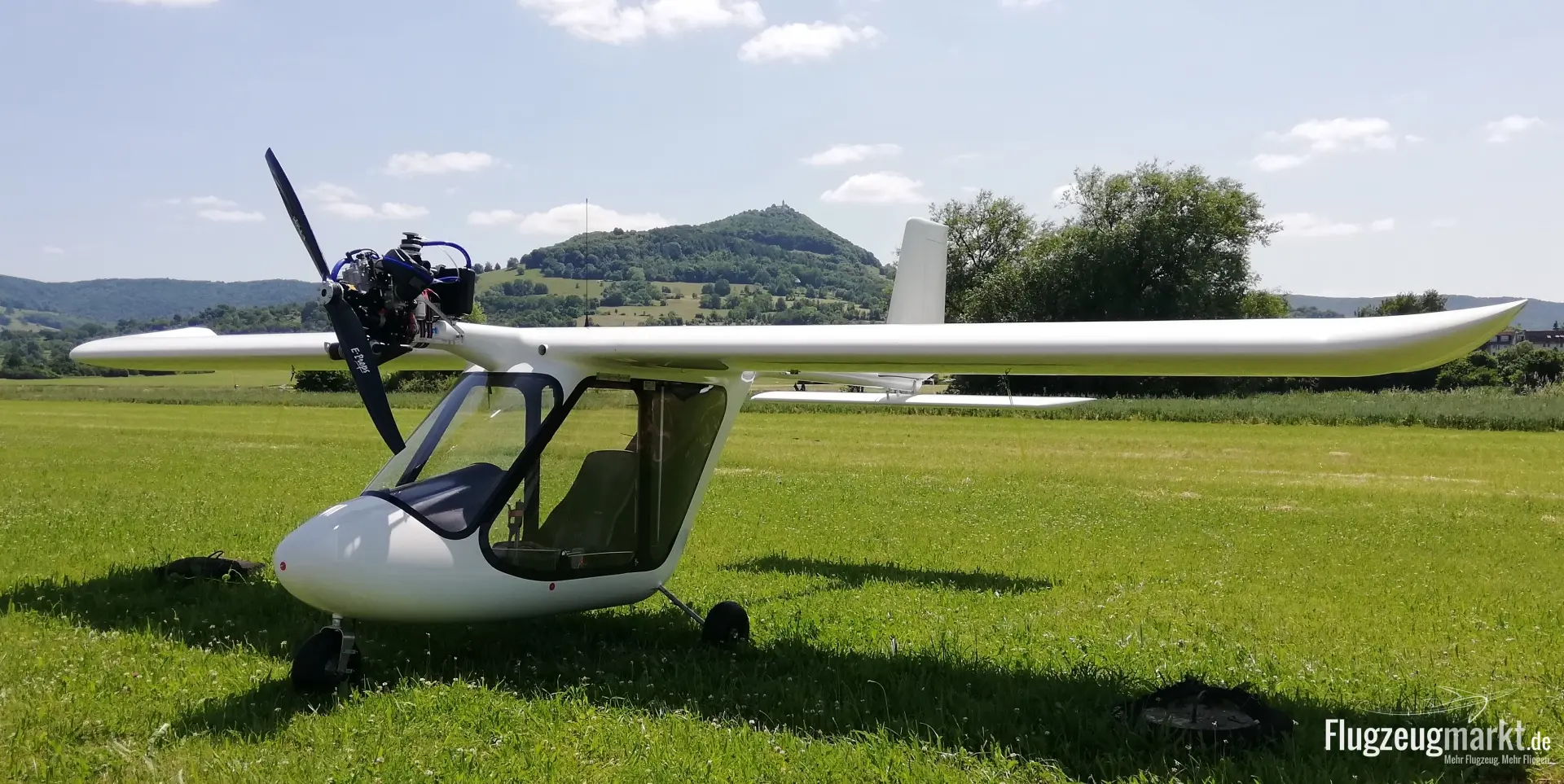
AVI Aircraft Swan 120
€29,500
Kirchheim unter Teck (DE)
ultralight1947 Cessna 120
Contact for Price
single-engine1946 Cessna 120
$50,000
New Braunfels, TX
single-engine1946 CESSNA 120
Contact for Price
Waynesboro
single-engine1946 CESSNA 120
Contact for Price
Midland
single-engine
1947 CESSNA 120
$40,000
Montecassiano (MC), Italy
single-engineWhat a Cessna 120 costs, how far it flies, and what it costs to keep
PlaneFox tracks 8 Cessna 120 aircraft for sale and re-reads every one of them from the broker and dealer sites it watches, so the figures below move when the market moves. Every number on this page is measured from those live listings, not taken from a published price guide.
How much does a Cessna 120 cost?
There are 8 Cessna 120 listings on PlaneFox right now, 5 of them priced. They ask between EUR 30,000 and EUR 1,250,000, with a median of EUR 36,000.
How far can a Cessna 120 fly?
A Cessna 120 flies about 395 nm, roughly 732 km, which is about 3 h 57 min in still air at typical cruise.
What does a Cessna 120 cost to own?
A Cessna 120 costs about EUR 1,590 a month to own and fly: EUR 1,326 to run it, plus EUR 265 for a loan over 15 years on the median asking price here, EUR 35,737. Flown 150 hours a year, that is about EUR 133 for every flight hour.
More questions about the Cessna 120
How much does a Cessna 120 cost?
What is the price range for a used Cessna 120?
How many Cessna 120 aircraft are for sale right now?
Where can I find a Cessna 120 for sale?
What should I check when buying a used Cessna 120?
About the Cessna 120
Aircraft overview
The Cessna 120 is a two-seat, high-wing tailwheel aircraft built by Cessna in Wichita, Kansas, with production running from 1946 to 1948. It was introduced alongside the Cessna 140 as a simpler, lower-cost personal aircraft for the postwar general aviation market. The Cessna 120 is specifically the more basic model: it was delivered without flaps and generally with less equipment than the 140. Its importance today is as an economical vintage trainer, local touring aircraft and ownership entry point for pilots comfortable with conventional landing gear.
Performance & specifications
Typical Cessna 120 performance is modest and well suited to short personal flights rather than fast cross-country travel. Most aircraft were powered by an 85 hp Continental C-85 four-cylinder engine, although engine upgrades are common in the fleet. Typical cruise speed is about 90 knots, depending on propeller, engine condition, loading and rigging. Practical range is commonly around 350 nautical miles with reserves. The aircraft has a published service ceiling of about 15,500 feet and a maximum gross weight of 1,450 lb. Useful load varies by equipment and modifications, but many examples fall near the 500 to 550 lb range.
Cabin & avionics
The cabin seats two side by side, with a simple panel, control yokes and limited baggage space. Buyers should expect a compact vintage cockpit rather than modern cabin width or noise insulation. The Cessna 120 was originally a day VFR aircraft with minimal electrical equipment, and many examples have been upgraded over decades. Typical panels may include basic analog flight instruments, a VHF comm radio, transponder, ADS-B Out, intercom and sometimes a panel-mounted or portable GPS. Modern integrated suites such as Garmin G1000 or Garmin Perspective are not typical for this model.
Buying & value
Condition and documentation matter more than equipment count. Prebuy attention should focus on fabric wing condition, corrosion in the steel and aluminum structure, landing gear attach areas, tailwheel components, control cables, fuel system condition and engine history. Many aircraft have metalized wings, electrical system additions, shoulder harnesses, improved brakes, alternator conversions or Continental C-90 and O-200 engine installations. These upgrades can improve usability, but they should be checked for proper approval and weight-and-balance impact. In the used market, the Cessna 120 usually sits below comparable Cessna 140 prices because of its simpler original specification and lack of flaps, while still offering much of the same vintage Cessna handling character.