Cessna 400 Corvalis TT for Sale

2006 Cessna 400
Contact for Price
United States, Texas, Arlington
single-engineCessna 400 Corvalis
on request
EPRG, Poland
single-engine
2006 Cessna 400
Contact for Price
United States, Texas, Arlington
single-engine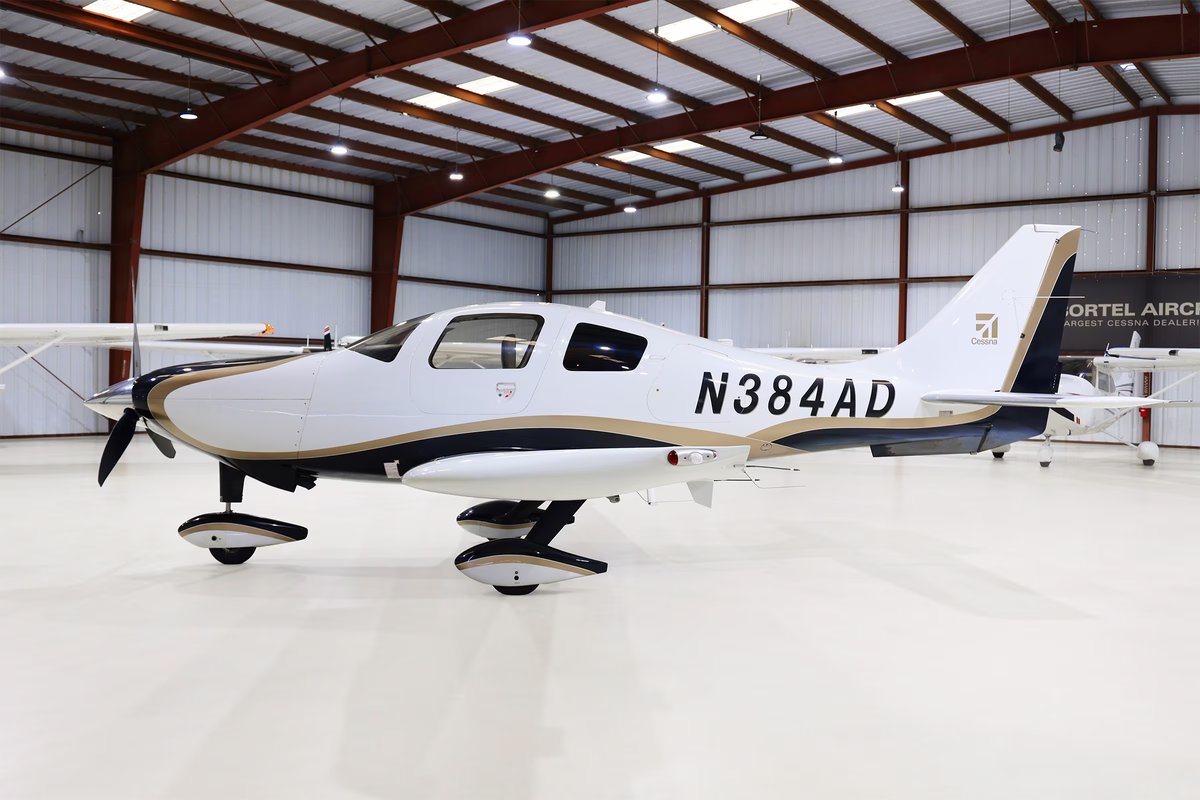
2008 Cessna 400
Contact for Price
United States, Texas, Arlington
single-engine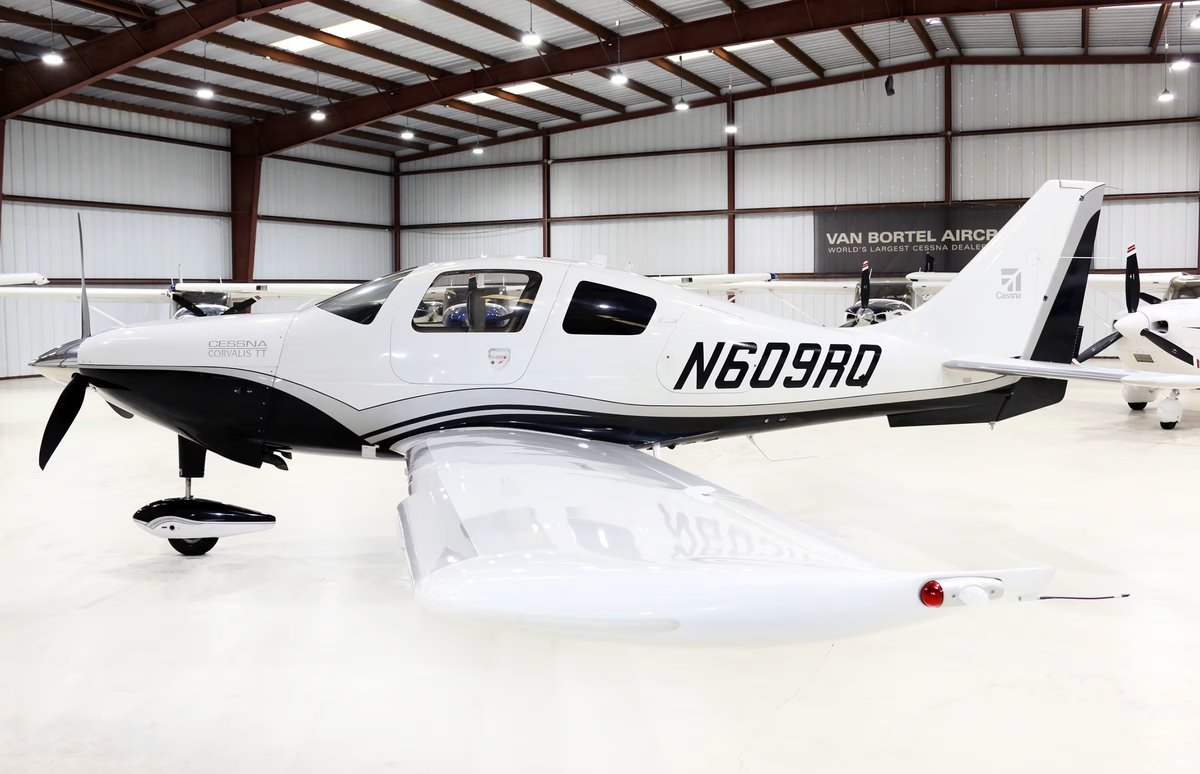
2007 Cessna 400
Contact for Price
United States, Texas, Arlington
single-engine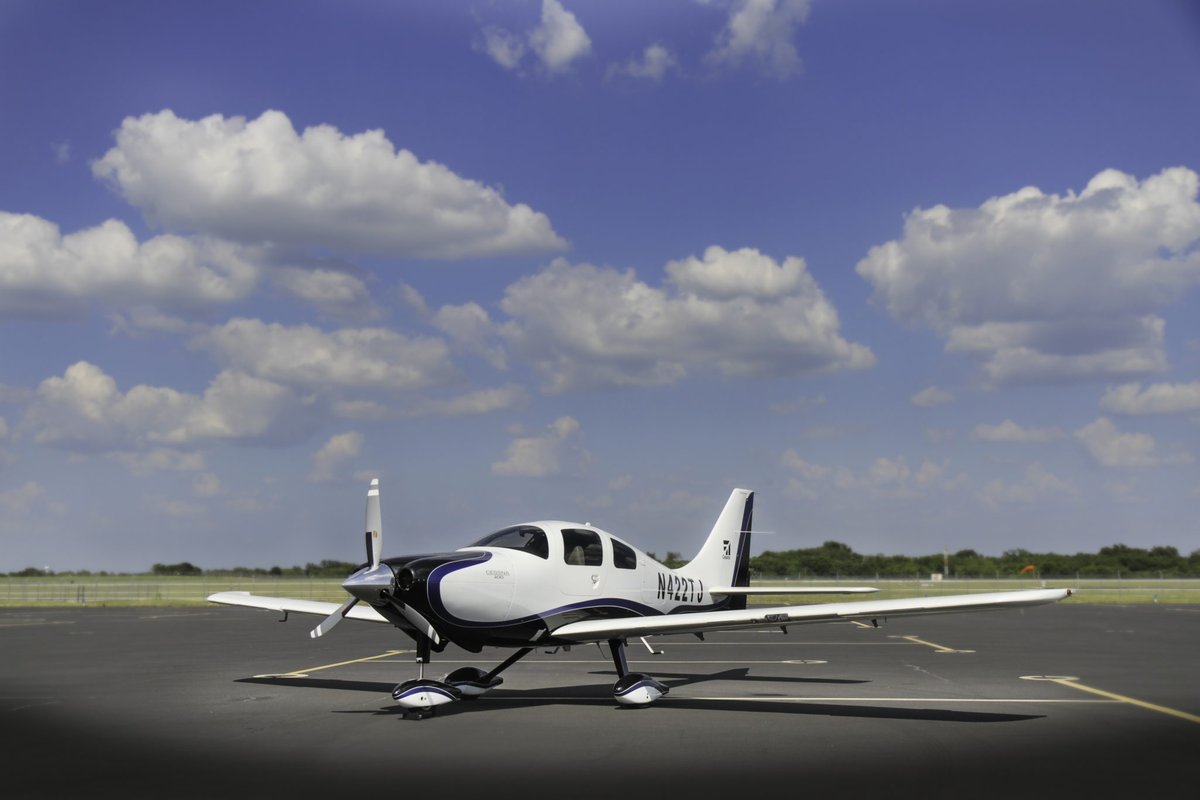
2008 Cessna 400
$409,500
Austin Executive Airport (KEDC)
single-engine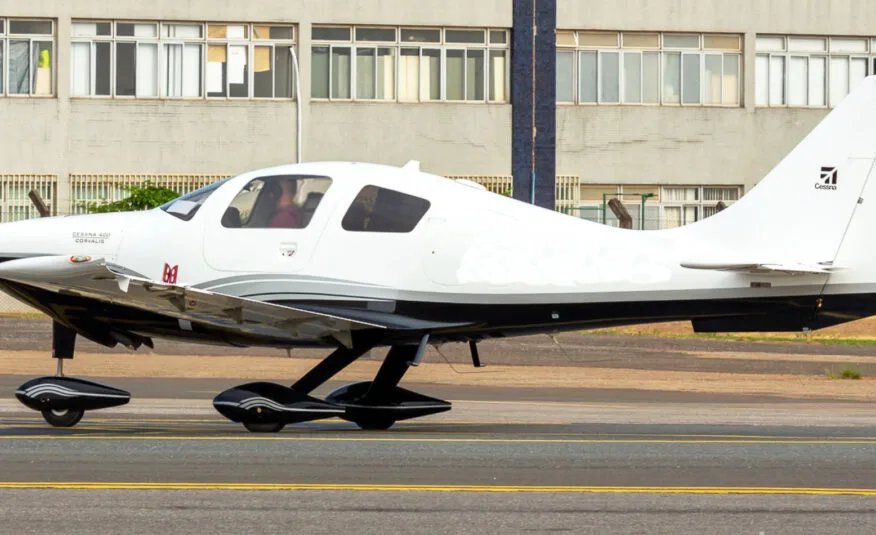
2007 Cessna Columbia 400 LC4-550FG
$600,000
Brazil
single-engine2005 CESSNA 400
Contact for Price
United States, Texas, Arlington
single-engine2008 CESSNA 400
Contact for Price
Greensboro
single-engine2007 CESSNA 400SL
Contact for Price
United States, Texas, Arlington
single-engine2008 CESSNA 400
$299,000
Conroe
single-engine2005 CESSNA 400
$250,000
Denver
single-engine2008 CESSNA 400SL
Contact for Price
United States, Texas, Arlington
single-engine2008 CESSNA 400
$399,000
Greensboro
single-engine2008 CESSNA 400
Contact for Price
Colorado Springs
single-engineWhat a Cessna 400 Corvalis TT costs, how far it flies, and what it costs to keep
PlaneFox tracks 15 Cessna 400 Corvalis TT aircraft for sale and re-reads every one of them from the broker and dealer sites it watches, so the figures below move when the market moves. Every number on this page is measured from those live listings, not taken from a published price guide.
How much does a Cessna 400 Corvalis TT cost?
There are 15 Cessna 400 Corvalis TT listings on PlaneFox right now, 5 of them priced. They ask between EUR 223,000 and EUR 536,000, with a median of EUR 356,000.
How far can a Cessna 400 Corvalis TT fly?
A Cessna 400 Corvalis TT flies about 1,250 nm, roughly 2,315 km, which is about 5 h 19 min in still air at typical cruise.
What does a Cessna 400 Corvalis TT cost to own?
A Cessna 400 Corvalis TT costs about EUR 5,505 a month to own and fly: EUR 2,865 to run it, plus EUR 2,639 for a loan over 15 years on the median asking price here, EUR 356,473. Flown 150 hours a year, that is about EUR 306 for every flight hour.
More questions about the Cessna 400 Corvalis TT
How much does a Cessna 400 Corvalis TT cost?
What is the price range for a used Cessna 400 Corvalis TT?
How many Cessna 400 Corvalis TT aircraft are for sale right now?
Where can I find a Cessna 400 Corvalis TT for sale?
What should I check when buying a used Cessna 400 Corvalis TT?
About the Cessna 400 Corvalis TT
Aircraft overview
The Cessna 400 Corvalis TT is a four-seat, fixed-gear, composite, turbocharged piston single built by Cessna after its acquisition of Columbia Aircraft. The type originated as the Columbia 400, which first flew in 2000 and was certified in 2004. Cessna marketed the aircraft as the Cessna 400, then applied the Corvalis TT name in the late 2000s before the later Corvalis TTx update. Its significance is straightforward: it brought high-altitude turbocharged performance and modern composite construction into a certified single-engine aircraft aimed at owner-pilots covering longer business or personal trips.
Performance & specifications
Power comes from a Continental TSIO-550-C, a turbocharged six-cylinder engine rated at 310 hp. Typical high-speed cruise is commonly quoted around 230 to 235 knots true airspeed at altitude, with the aircraft certified up to a 25,000-foot service ceiling. Published range varies with power setting, altitude and reserves, but long-range cruise figures of roughly 1,000 nautical miles or more are commonly associated with the model. Useful load is aircraft-specific and depends heavily on equipment, oxygen, air conditioning and avionics fit, so buyers should review the actual weight and balance report rather than rely on brochure figures.
Cabin & avionics
The cabin seats four, with a low-wing layout, gull-wing doors and side-stick flight controls that distinguish it from many traditional Cessna singles. It is not pressurized, so the turbocharged performance is paired with supplemental oxygen for high-altitude operations. Most Cessna 400 Corvalis TT aircraft are equipped with Garmin G1000 integrated avionics, typically including a GFC 700 autopilot on later Cessna-built examples. Garmin Perspective is associated with Cirrus aircraft, not this model. Equipment differences to check include WAAS capability, traffic, weather, oxygen installation, engine monitoring and any later avionics software or hardware upgrades.
Buying & value
For used buyers, the Cessna 400 Corvalis TT sits above conventional normally aspirated fixed-gear singles and below pressurized or turbine aircraft in operating complexity. Pre-purchase focus should include engine and turbocharger condition, cylinder history, exhaust system, oxygen system, composite structure inspections, logbook continuity, avionics status and compliance with applicable service bulletins or airworthiness directives. Market positioning depends strongly on year, total time, engine time, avionics updates and cosmetic condition. Current PlaneFox listing data shows an average asking price of about EUR 397,000, with examples ranging from roughly EUR 290,000 to EUR 600,000.