Cessna Citation V / Ultra / Encore for Sale

1995 Cessna Citation VII
Contact for Price
Eau Claire, Wisconsin
jet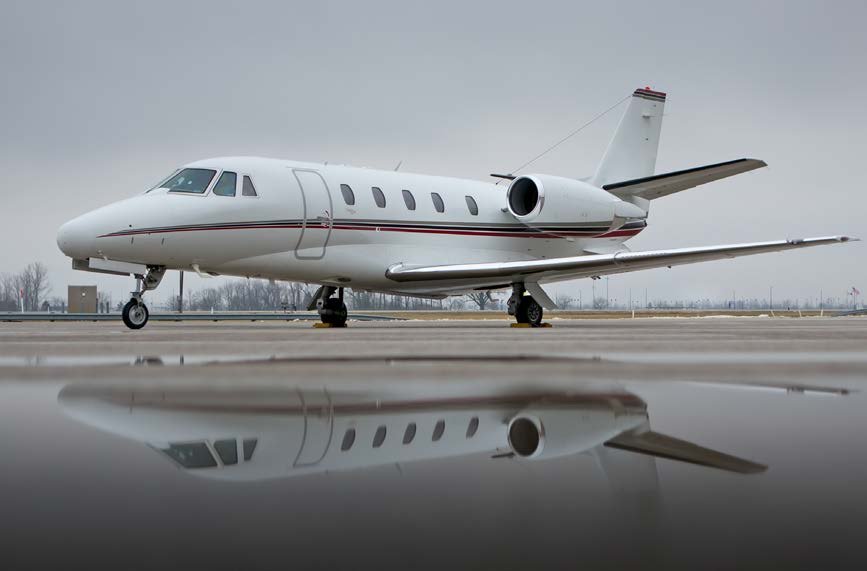
2002 Cessna Citation 560 Excel
Contact for Price
jet
1998 Cessna Citation VII
Contact for Price
jet
1994 Cessna Citation VI
Price on Request
USA
jet1990 CESSNA CITATION V
Contact for Price
Bellaire, Texas
jet2008 CESSNA CITATION ENCORE+
Contact for Price
Spanish Fork, Utah
jet2008 CESSNA CITATION ENCORE+
Contact for Price
Naples, Florida
jet1997 CESSNA CITATION V ULTRA
$2,150,000
Little Rock, Arkansas
jet1997 CESSNA CITATION V ULTRA
$2,150,000
Blountville, Tennessee
jet2004 CESSNA CITATION ENCORE
Contact for Price
Bismarck
jet1994 CESSNA CITATION V
Contact for Price
Conway
jet1989 CESSNA CITATION V
$1,289,000
McGhee Tyson Airport (KTYS)
jet1994 CESSNA CITATION VI
$995,000
Ft. Lauderdale
jet1993 CESSNA CITATION V
$1,289,000
Syracuse (KSYR)
jet1994 CESSNA CITATION VII
Contact for Price
New London Airport – Groton (KGON)
jet2008 CESSNA CITATION ENCORE+
Contact for Price
Sarasota
jet2002 CESSNA CITATION ENCORE
Contact for Price
Pittsburgh, Pennsylvania Area
jet1993 CESSNA CITATION V
$1,289,000
Fort Worth
jet1995 CESSNA CITATION V ULTRA
$1,100,000
Venice
jet2002 CESSNA CITATION ENCORE
$3,000,000
Senatobia
jetWhat a Cessna Citation V / Ultra / Encore costs, how far it flies, and what it costs to keep
PlaneFox tracks 20 Cessna Citation V / Ultra / Encore aircraft for sale and re-reads every one of them from the broker and dealer sites it watches, so the figures below move when the market moves. Every number on this page is measured from those live listings, not taken from a published price guide.
How much does a Cessna Citation V / Ultra / Encore cost?
There are 20 Cessna Citation V / Ultra / Encore listings on PlaneFox right now, 8 of them priced. They ask between EUR 889,000 and EUR 2,680,000, with a median of EUR 1,150,000.
How far can a Cessna Citation V / Ultra / Encore fly?
A Cessna Citation V / Ultra / Encore flies about 1,960 nm, roughly 3,630 km, which is about 4 h 37 min in still air at typical cruise.
What does a Cessna Citation V / Ultra / Encore cost to own?
A Cessna Citation V / Ultra / Encore costs about EUR 83,295 a month to own and fly: EUR 74,768 to run it, plus EUR 8,527 for a loan over 15 years on the median asking price here, EUR 1,151,613. Flown 150 hours a year, that is about EUR 3,253 for every flight hour.
More questions about the Cessna Citation V / Ultra / Encore
How much does a Cessna Citation V / Ultra / Encore cost?
What is the price range for a used Cessna Citation V / Ultra / Encore?
How many Cessna Citation V / Ultra / Encore aircraft are for sale right now?
Where can I find a Cessna Citation V / Ultra / Encore for sale?
What should I check when buying a used Cessna Citation V / Ultra / Encore?
How do Cessna Citation V / Ultra / Encore prices change with year of manufacture?
About the Cessna Citation V / Ultra / Encore
Aircraft overview
The Cessna Citation V / Ultra / Encore is the Model 560 family of straight wing business jets built by Cessna as an evolution of the Citation II and S/II. The Citation V first flew in 1987 and entered production for the 1989 model year. It was followed by the Citation Ultra in the mid 1990s and the Citation Encore from 2000, with the Encore+ arriving later as the final major development. The series matters in the used market because it combines a familiar Citation operating environment with a longer cabin, good short field capability and operating costs that remain closer to light jets than to larger midsize aircraft.
Performance & specifications
Typical high speed cruise is around 420 to 430 knots, depending on variant, altitude and loading. Practical IFR range is commonly planned in the roughly 1,600 to 1,900 nautical mile class, with reserves and payload making a significant difference. Certified ceiling is 45,000 feet. The original Citation V uses two Pratt & Whitney Canada JT15D-5A turbofans, while the Ultra uses more powerful JT15D-5D engines. The Encore changed to Pratt & Whitney Canada PW535A engines, bringing improved climb, fuel efficiency and maintainability. Maximum takeoff weight is about 15,900 lb for the Citation V, about 16,300 lb for the Ultra and about 16,630 lb for the Encore.
Cabin & avionics
The cabin typically seats seven or eight passengers, often in a club arrangement with additional forward or side facing seating and an aft belted lavatory. Cabin height and width are approximately 4.8 feet, so the aircraft is not stand up, but it offers more length than earlier Citation II based models. Original avionics vary by year. Citation V aircraft are commonly found with Honeywell Sperry systems and later retrofit navigators. The Citation Ultra and Encore were delivered with Honeywell Primus 1000 integrated avionics. Many aircraft have received upgrades such as WAAS GPS, ADS-B Out, modern transponders, updated displays and cabin connectivity. The Encore+ introduced Rockwell Collins Pro Line 21 avionics.
Buying & value
For buyers, the main distinctions are straightforward: the Citation V is usually the value entry point, the Ultra adds stronger performance and a more modern flight deck, and the Encore brings newer engines, trailing link landing gear and later production dates. Review engine status carefully, especially hot section and overhaul timing, program enrollment and calendar limits. Also examine maintenance tracking, phase inspection history, landing gear work, corrosion findings, avionics compliance and any damage history. Well upgraded Ultras often compete strongly on value, while Encores usually command higher prices for their engine technology, comfort improvements and younger airframes.