Cessna 210 Centurion for Sale
Cessna 210 Centurion G5
$279,000
Ganderkesee (EDWQ), Germany
single-engineCessna P-210 Pressurized Centurion
$430,000
LKFF, Czech Rep.
single-enginePlaneCheck shows many aircraft
Contact for Price
single-engine
Cessna P210 Silver Eagle
€650,000
Germany
single-engineCessna P-210 Pressurized Centurion
€180,000
Bulgaria, Bulgaria
single-engine
1980 Cessna P210N Turbo Centurion
CZK 4,790,494
Prague
single-engineCessna T-210 Turbo Centurion F
€110,000
Osnabrück, Germany
single-engineCessna P-210 Turbine Silver Eagle
€900,000
EDFZ Mainz, Germany
single-engine
1983 Cessna P-210 Turbine Silver Eagle
€755,000
Muehldorf, Germany
single-engine1981 Cessna T210N
€388,000
Paris, FR
single-engine
1973 Cessna 210 L
£169,950
White Waltham Airfield, UK
single-engineCessna P-210 Turbine Silver Eagle
€672,000
FACT, South Africa
single-engineCessna P-210 Pressurized Centurion
€220,000
Europe, Belgium
single-engineCessna T-210 Turbo Centurion M
€280,000
EDLR, Germany
single-engineCessna 210 Centurion L GI275
€285,000
EDRP, Germany
single-engine
Cessna P-210 Turbine Silver Eagle
€879,410
Germany, Hannover, EDDV
single-engine
Cessna Turbo 210N
€290,000
Germany, Mannheim, EDFM
single-engine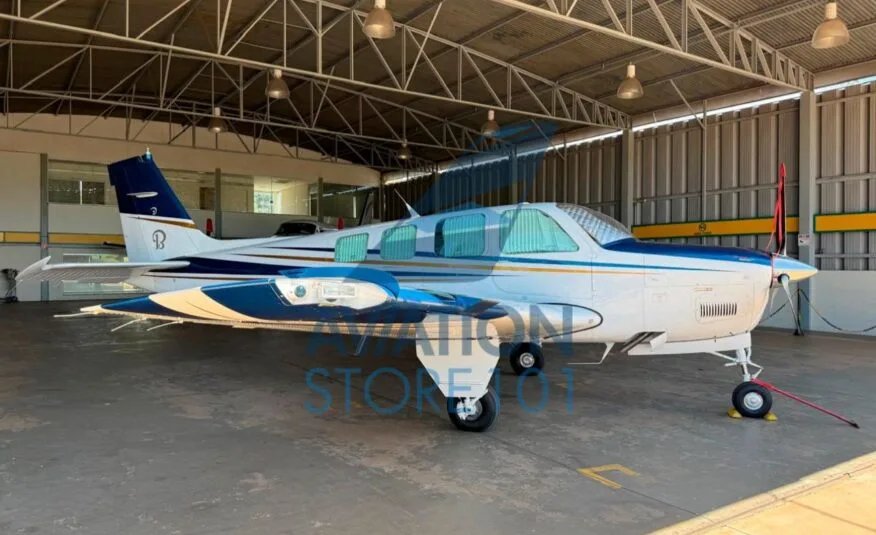
1982 Cessna 210N
BRL 2,600,000
Brazil
single-engine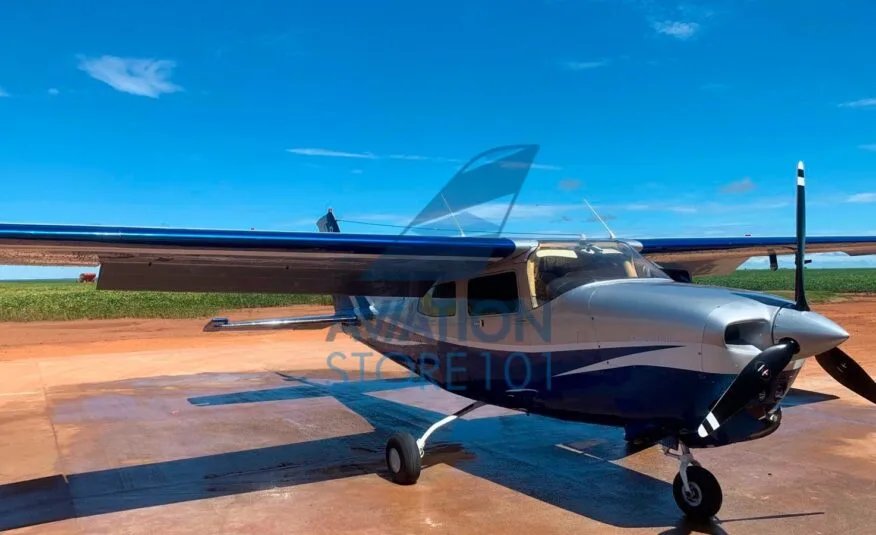
1982 Cessna 210N
Price on Request
Brazil
single-engine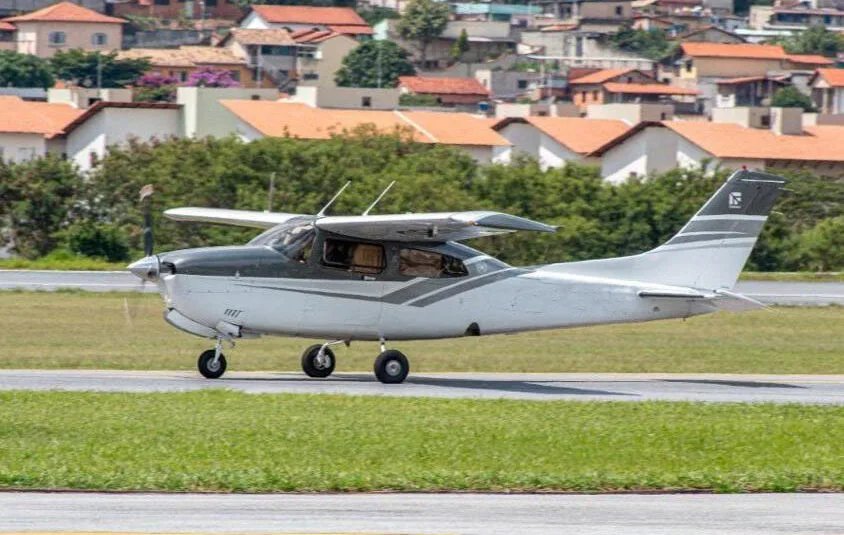
1984 Cessna 210N
Price on Request
Brazil
single-engine
1980 Cessna T210N
Price on Request
Brazil
single-engine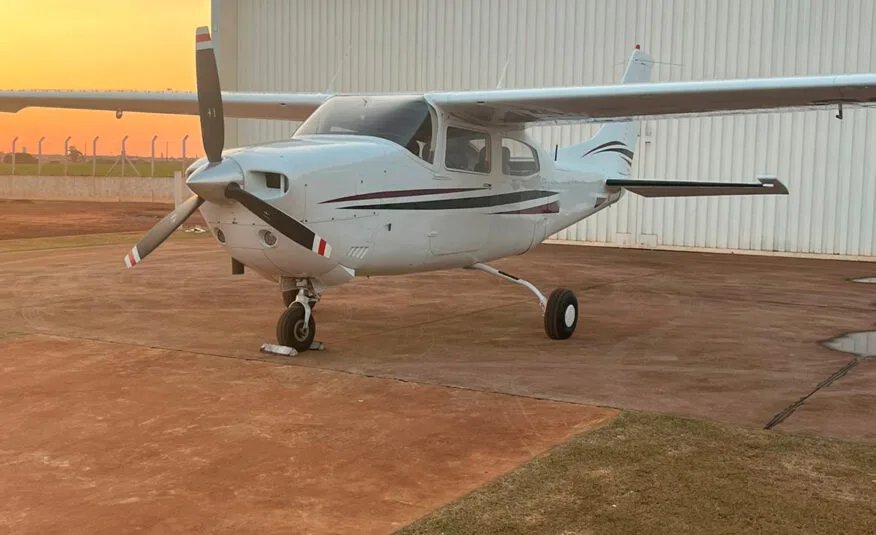
1977 Cessna T210M
BRL 2,600,000
Brazil
single-engine
Cessna P210N
€340,000
France, Meaux, LFPE
single-engine
Cessna - 210 Centurion Cessna 210 Centurion
Price on Request
single-engineWhat a Cessna 210 Centurion costs, how far it flies, and what it costs to keep
PlaneFox tracks 109 Cessna 210 Centurion aircraft for sale and re-reads every one of them from the broker and dealer sites it watches, so the figures below move when the market moves. Every number on this page is measured from those live listings, not taken from a published price guide.
How much does a Cessna 210 Centurion cost?
There are 109 Cessna 210 Centurion listings on PlaneFox right now, 65 of them priced. They ask between EUR 45,000 and EUR 900,000, with a median of EUR 201,000.
How far can a Cessna 210 Centurion fly?
A Cessna 210 Centurion flies about 900 nm, roughly 1,667 km, which is about 5 h 18 min in still air at typical cruise.
What does a Cessna 210 Centurion cost to own?
A Cessna 210 Centurion costs about EUR 4,541 a month to own and fly: EUR 3,051 to run it, plus EUR 1,490 for a loan over 15 years on the median asking price here, EUR 201,177. Flown 150 hours a year, that is about EUR 323 for every flight hour.
More questions about the Cessna 210 Centurion
How much does a Cessna 210 Centurion cost?
What is the price range for a used Cessna 210 Centurion?
How many Cessna 210 Centurion aircraft are for sale right now?
Where can I find a Cessna 210 Centurion for sale?
What should I check when buying a used Cessna 210 Centurion?
How do Cessna 210 Centurion prices change with year of manufacture?
About the Cessna 210 Centurion
Aircraft overview
The Cessna 210 Centurion is a high-performance, retractable-gear, single-engine aircraft built by Cessna from 1960 to 1986. It served the owner-pilot, business travel and personal transportation market, offering six-seat utility with better speed and payload capability than fixed-gear Cessna singles. Early Cessna 210 models used wing struts, while later versions adopted a cantilever wing, giving the aircraft its familiar clean profile. Its importance in the used market comes from a rare combination: piston-single operating economics, substantial useful load and genuine cross-country capability.
Performance & specifications
Performance depends strongly on model year, engine and whether the aircraft is normally aspirated, turbocharged or pressurized. Typical normally aspirated Cessna 210 models cruise around 160 to 170 knots, while turbocharged versions can cruise faster at altitude. Usable range is commonly in the 700 to 900 nautical mile class with reserves, depending on fuel capacity and power setting. Useful load often falls roughly between 1,300 and 1,700 lb, making payload one of the aircraft’s key strengths. Powerplants include Continental IO-470 and IO-520 engines in normally aspirated models, with TSIO-520 engines in turbocharged T210 and pressurized P210 variants. Service ceiling is about 17,000 feet for many normally aspirated examples, with turbocharged models approved for higher altitude operations.
Cabin & avionics
The Cessna 210 Centurion has a six-seat cabin, usually arranged as two front seats, two center seats and a compact rear bench. The cabin is practical rather than luxurious, with good baggage flexibility and access suited to personal and business travel. Factory avionics were conventional analog equipment, so most aircraft on the market now vary widely by upgrade history. Buyers will commonly see Garmin GNS or GTN navigators, Garmin G5 or GI 275 instruments, Aspen displays, JPI or Garmin engine monitors and upgraded autopilots. Garmin G1000 and Garmin Perspective were not standard factory suites for the Cessna 210 Centurion.
Buying & value
Condition, records and maintenance history matter more than model year alone. Key inspection areas include landing gear rigging and wear, gear doors, engine condition, corrosion, fuel system condition, and compliance with airworthiness directives and service bulletins. Turbocharged and pressurized variants offer higher-altitude capability but bring more complex maintenance. Popular upgrades include modern IFR avionics, digital engine monitoring, speed mods, engine conversions and interior refurbishment. In current PlaneFox used-market data, asking prices average about EUR 199,000, with listings ranging from about EUR 56,000 to EUR 900,000, reflecting the wide spread between older project-level aircraft and highly upgraded or specialized variants.