Cessna 205 / 206 / 207 Stationair for Sale

2011 Cessna T206H
Contact for Price
Texas, USA
single-engine
2010 Cessna T206H
Contact for Price
Arlington, Texas, United States
single-engine
2009 Cessna T206H
€535,000
Salzburg, Austria
single-engine
2005 Cessna T206H
£355,000
EGMH, England
single-engine
2019 Cessna T206H
Contact for Price
Arlington, Texas, United States
single-engine
2011 Cessna T206H
Contact for Price
United States, Texas, Arlington
single-engine
1982 Cessna U206G Stationair
$205,995
Europe, Iceland
single-engine
1975 Cessna U206F Stationair
$159,950
Europe, Iceland
single-engine
1977 Cessna TU206 G
Contact for Price
single-engine
1978 Cessna 206 G
Contact for Price
single-engine
2008 Cessna T206H Turbo Stationair
$649,000
Saudi Arabia
single-engine
1981 Cessna TU206G
NOK 3,250,000
Notodden, Norway
single-engine
2005 Cessna T206H
Contact for Price
United States, Texas, Arlington
single-engine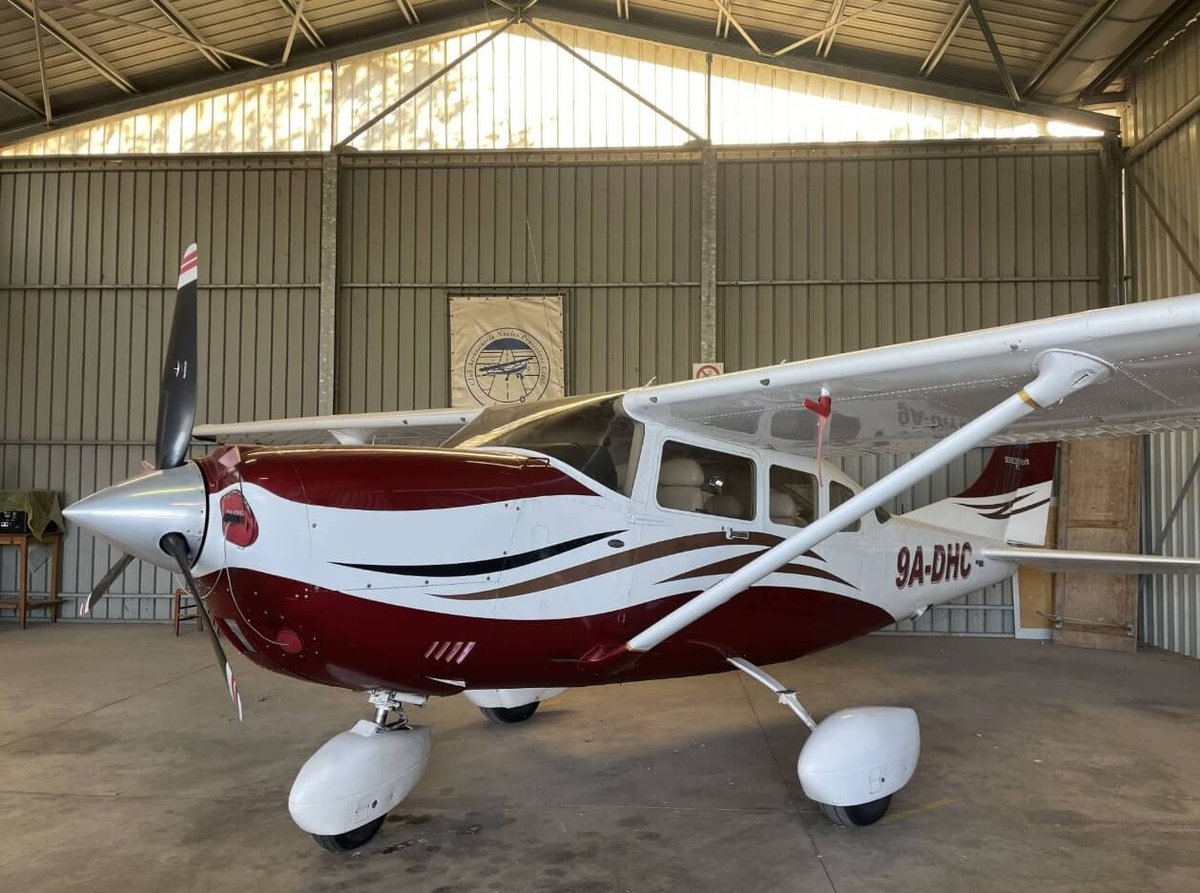
2006 Cessna Turbo 206H Stationair
€454,000
Sassuolo, Italy
single-engineCessna T-206 Turbo Stationair amphib
€690,000
ENNO, Norway
single-engine
2006 Cessna T206H
€399,000
Poland/Kaniow
single-engine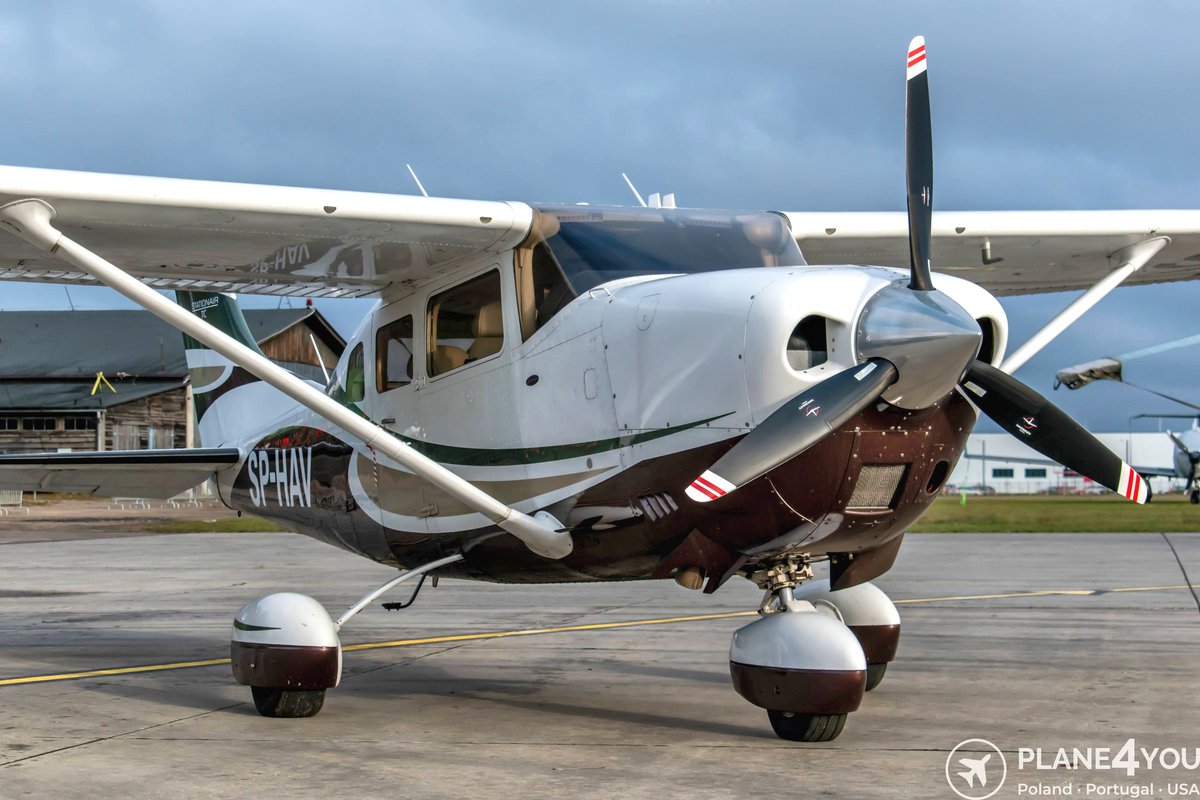
2008 Cessna T206H
€380,000
TBA, Poland
single-engineCessna T-206 Turbo Stationair TKS
€567,000
EPZA/ Zamosc, Poland
single-engine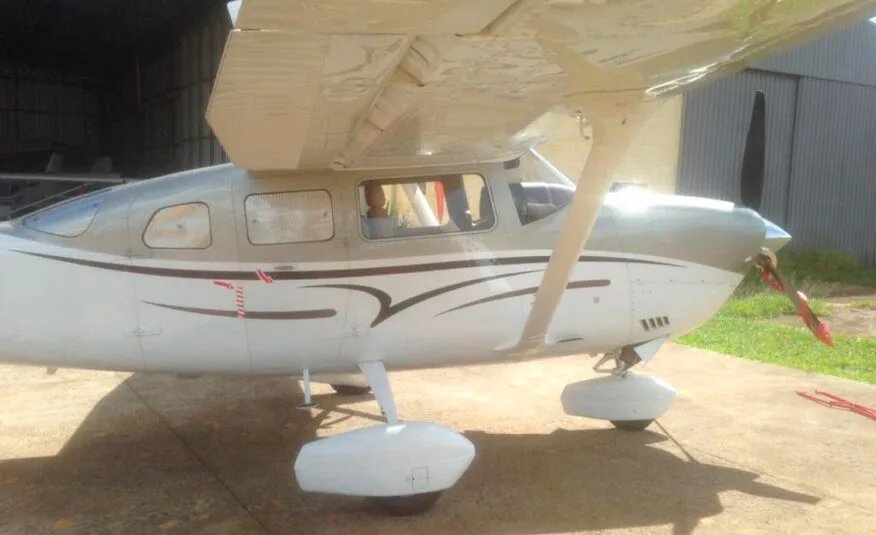
2010 Cessna T206H Stationair
Price on Request
Brazil
single-engine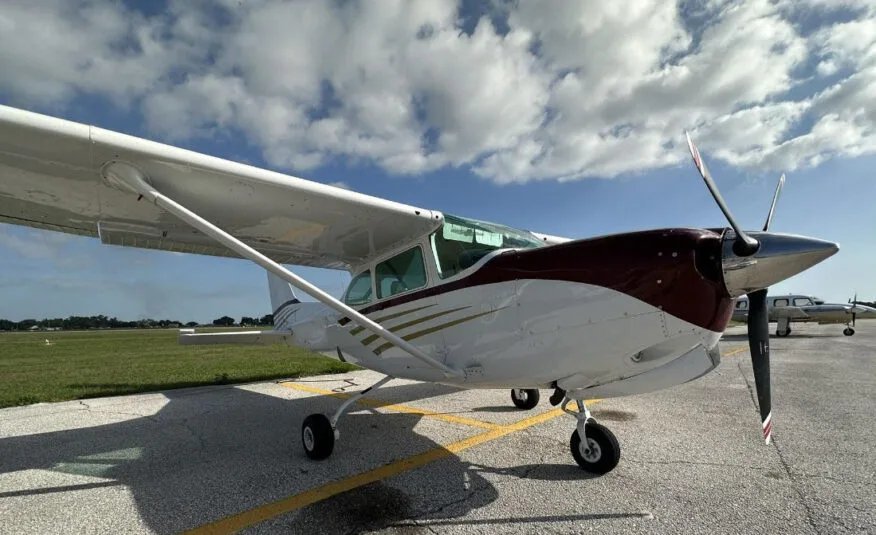
2004 Cessna Turbo 206H
BRL 2,900,000
Brazil
single-engine
2010 Cessna T206H Stationair TC
Price on Request
Brazil
single-engine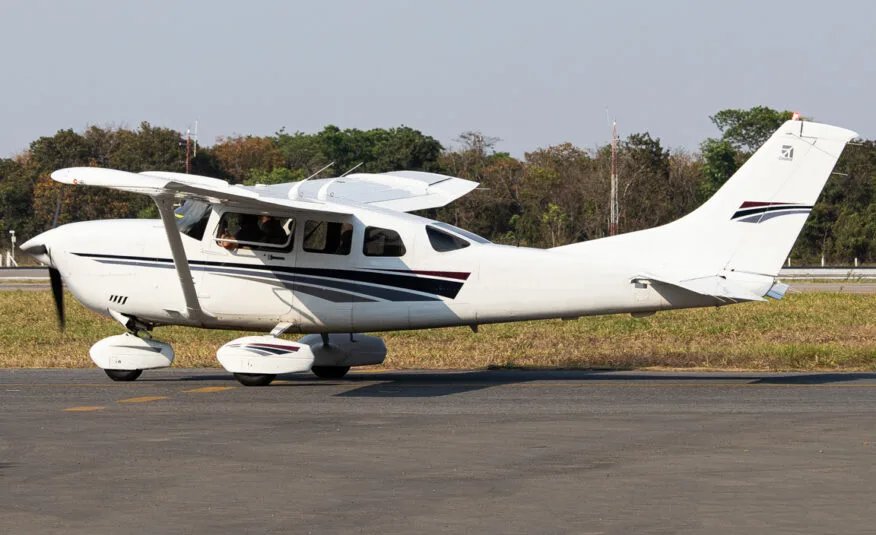
1999 Cessna 206H
BRL 3,400,000
Brazil
single-engine
2022 Cessna T206H Stationair
BRL 5,250,000
Brazil
single-engine2003 CESSNA TURBO 206H STATIONAIR
$394,900
Shelton, Washington
single-engineWhat a Cessna 205 / 206 / 207 Stationair costs, how far it flies, and what it costs to keep
PlaneFox tracks 86 Cessna 205 / 206 / 207 Stationair aircraft for sale and re-reads every one of them from the broker and dealer sites it watches, so the figures below move when the market moves. Every number on this page is measured from those live listings, not taken from a published price guide.
How much does a Cessna 205 / 206 / 207 Stationair cost?
There are 86 Cessna 205 / 206 / 207 Stationair listings on PlaneFox right now, 37 of them priced. They ask between EUR 89,000 and EUR 941,000, with a median of EUR 399,000.
How far can a Cessna 205 / 206 / 207 Stationair fly?
A Cessna 205 / 206 / 207 Stationair flies about 730 nm, roughly 1,352 km, which is about 5 h 2 min in still air at typical cruise.
What does a Cessna 205 / 206 / 207 Stationair cost to own?
A Cessna 205 / 206 / 207 Stationair costs about EUR 5,814 a month to own and fly: EUR 2,860 to run it, plus EUR 2,954 for a loan over 15 years on the median asking price here, EUR 399,000. Flown 150 hours a year, that is about EUR 295 for every flight hour.
More questions about the Cessna 205 / 206 / 207 Stationair
How much does a Cessna 205 / 206 / 207 Stationair cost?
What is the price range for a used Cessna 205 / 206 / 207 Stationair?
How many Cessna 205 / 206 / 207 Stationair aircraft are for sale right now?
Where can I find a Cessna 205 / 206 / 207 Stationair for sale?
What should I check when buying a used Cessna 205 / 206 / 207 Stationair?
How do Cessna 205 / 206 / 207 Stationair prices change with year of manufacture?
About the Cessna 205 / 206 / 207 Stationair
Aircraft overview
The Cessna 205 / 206 / 207 Stationair family is a fixed gear, high wing, single engine utility aircraft line built by Cessna for private, commercial and special mission use. The Cessna 205 appeared in the early 1960s as a fixed gear development related to the Cessna 210, followed by the Cessna 206 from 1964 and the stretched Cessna 207 from 1969. Production of the 206 paused in the 1980s and resumed in 1998 in modernized 206H and T206H form. The family matters because it combines simple fixed gear construction, strong load carrying ability and short field utility in a piston aircraft that remains widely used for charter, parachute operations, bush flying, aerial work and owner flown transport.
Performance & specifications
Typical cruise speeds are around 135 to 145 knots for many normally aspirated 206 models, with turbocharged versions maintaining performance better at altitude. Practical range is commonly in the 600 to 700 nautical mile class, depending on fuel, payload, power setting and reserves. Useful load varies substantially by model, equipment and modifications, but many Stationair examples are valued for payloads in the roughly 1,300 to 1,600 lb range. Normally aspirated versions typically have service ceilings around the mid teens in feet, while turbocharged variants offer higher altitude capability. Powerplants include Continental IO-470 and IO-520 engines on earlier aircraft, with later 206H models using a 300 hp Lycoming IO-540 and the T206H using a turbocharged Lycoming TIO-540.
Cabin & avionics
The 205 and 206 are generally six seat aircraft, while the 207 was stretched for seven seats and later eight seat configurations. The cabin is upright and utilitarian, with large doors and a reputation for accommodating bulky cargo better than many comparable piston singles. Older aircraft are often found with analog instruments, Garmin GNS or GTN navigators, engine monitors and autopilot upgrades. Factory restarted 206H and T206H aircraft may be equipped with Garmin G1000 or newer Garmin G1000 NXi avionics. Garmin Perspective is not the standard Stationair suite, as that system is associated with other aircraft programs.
Buying & value
Buyers should separate the subtypes carefully: early Cessna 205 aircraft are rarer, U206 models emphasize utility and cargo access, P206 versions are passenger oriented, turbocharged 206s suit high altitude operations, and the 207 provides more cabin length. Important inspection areas include corrosion, hard landing history, firewall and engine mount condition, door and cargo door wear, exhaust systems on turbo models, avionics age, engine time and documentation for float, cargo, camera or parachute modifications. On PlaneFox listings, current asking prices average about EUR 415,000, with a range from EUR 139,000 to EUR 883,000, reflecting the wide spread between older working aircraft and late model, glass cockpit examples.